Everyone does the same Osaka first: Dotonbori’s neon, the castle, Universal Studios. Fair enough, they’re good. But the version of this city worth coming back for starts one street over from all that, in the pre-war alleys, the half-forgotten shrines, the counter bars with eight seats and no English menu. That’s where Osaka stops performing for tourists and just gets on with being itself.
I’ve spent a lot of time chasing the parts of Osaka that don’t make the highlight reels, and this is the shortlist: bohemian quarters, mountain temples buried in lucky charms, rose gardens locals guard like a secret, and food districts where the chef cooks, pours and clears your plate himself. None of it is far. Most of it is cheap. All of it rewards the curious traveller more than the checklist one.
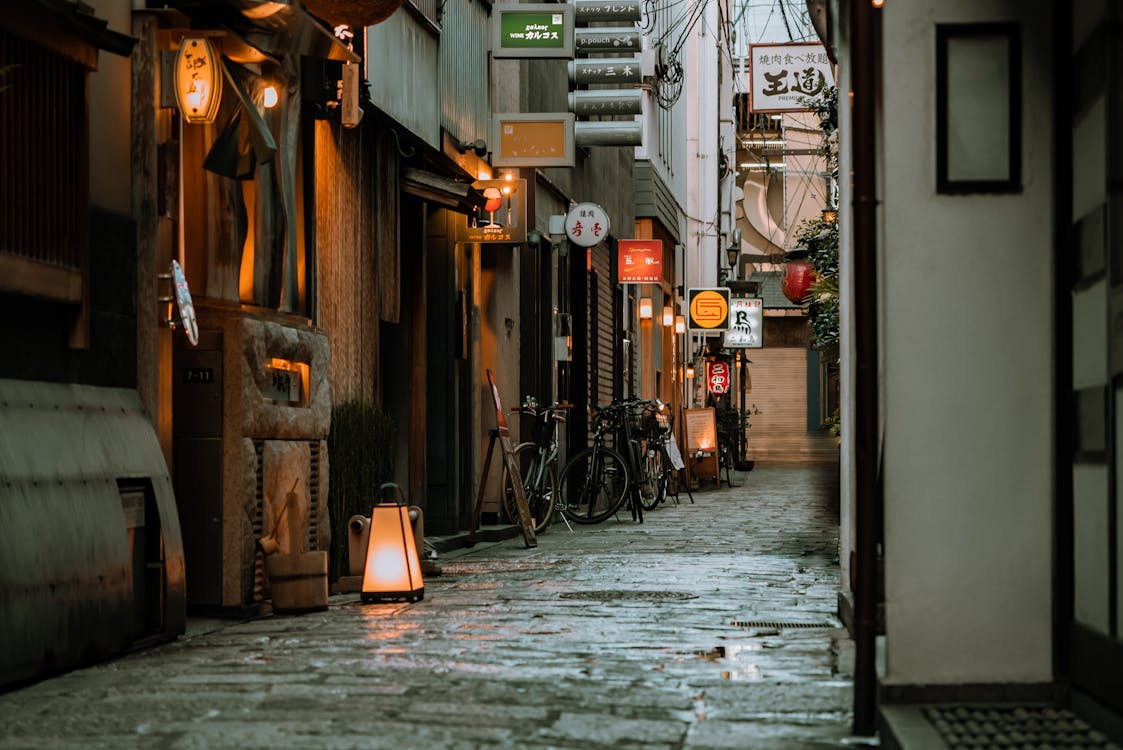
Why Osaka’s quieter side is worth the detour
Osaka takes in over 12 million international visitors a year, and the vast majority walk the same loop: Dotonbori, Shinsekai, the castle, Namba. Those places earn their fame, and we cover them properly in our guide to Osaka cultural experiences, but they’re a sliver of what’s here.
The places in this guide trade spectacle for something better, intimacy, and the small thrill of finding them yourself. You’ll hit neighbourhoods where locals outnumber tourists ten to one, temples where old rituals carry on undisturbed, and food spots where the flavours do the talking even when the menu can’t. None of these are overlooked because they’re second-rate. They’re overlooked because Osaka is so stacked with good things that plenty of them simply never make the guidebooks.
Neighbourhoods most visitors walk straight past
Nakazakicho: the bohemian quarter
A few minutes from the towers of Umeda sits a pocket of pre-war Osaka that somehow dodged the WWII bombing that flattened most of the centre. Nakazakicho’s old wooden machiya houses have been reborn as independent cafes, galleries, vintage shops and artisan studios, and the whole place runs on a low-key creative hum.
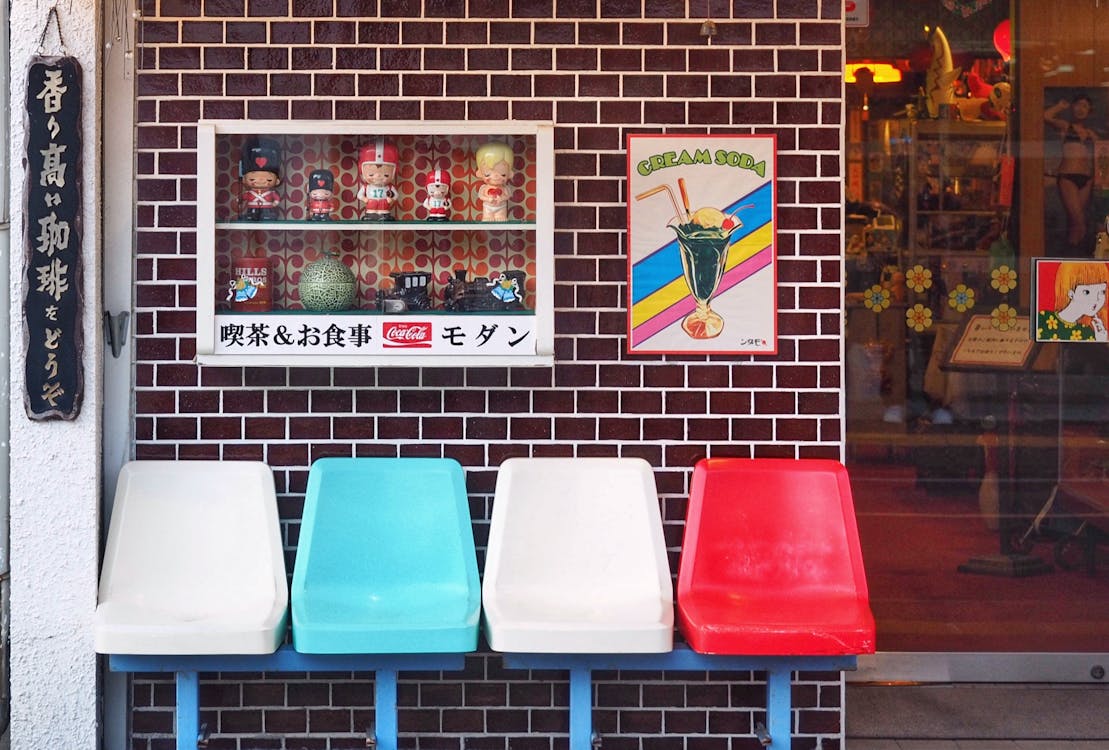
What sells Nakazakicho is the atmosphere: weathered facades, hand-painted signs, plants spilling onto the path, a cat asleep in a doorway. The crowd skews young, arty and local, so it feels genuinely Osakan rather than staged for visitors. Get off at Nakazakicho Station on the Tanimachi Line and just walk; the best finds come from following whichever lane looks interesting, and our Nakazakicho walking guide maps the highlights.
Ura Namba: where locals actually eat
While tourists pack the Dotonbori frontage, locals slip around the back into Ura Namba, literally “behind Namba”, a grid of tight streets between Doguyasuji Shotengai and Namba Station. This is Osaka’s food culture at full depth, minus the markup.
The heart of it is Sennichi Jizoson-dori, where you’ll find Okinawan izakaya, proper Chinese dumplings, Neapolitan pizza and standing bars mixing real cocktails, all cheek by jowl. The rooms are smaller, the welcome warmer and the crowds thinner than out front, and the bill is usually lower too. Turn up hungry around 6pm, when the whole district wakes up. For the best of its tiny eateries, see our Osaka secret restaurants guide.
Horie: quietly the coolest district in town
Split into Kita-Horie and Minami-Horie, this Nishi Ward neighbourhood has become one of Osaka’s most stylish without ever making a fuss about it. Where Amerikamura shouts, Horie murmurs, retro architecture, hole-in-the-wall kitchens, street art and homeware shops favoured by a switched-on local crowd.
Orange Street (Tachibana-dori) is the spine, lined with boutiques, furniture stores and cafes that would sit happily in Brooklyn or Shoreditch. But the real character is in the side streets: pocket galleries, record shops, natural-wine bars and some of the best third-wave coffee in Kansai. It’s the kind of place to write off an afternoon with no plan at all.
Karahori: antiques and old Osaka
Up on the Uemachi Plateau, a rare bit of elevation in this flat city, Karahori Shotengai is one of Osaka’s oldest shopping streets and badly underrated. The covered arcade threads through Matsuyamachi and trades in antiques, second-hand finds and independent shops selling everything from Meiji-era ceramics to vintage kimono fabric.
What makes Karahori stick is its link to old Osaka, the plateau’s slopes run up to small shrines and temples that go back centuries, so a walk here carries a real sense of layered history. On weekends the Karahori flea market spills even more vintage finds into the open. It’s the polar opposite of the gleaming department stores in our shopping guide, and better for it.
Temples and shrines off the radar
Katsuoji: the mountain temple of lucky Daruma
Up in the hills of Minoh City, about 30 minutes north of central Osaka, Katsuoji is one of the most charming temples nobody seems to visit. Founded in 765 AD, it’s the “Temple of Victory” (Katsu-oji), and it’s famous for the thousands of Daruma dolls, round, red figures of perseverance and luck, scattered across the grounds like a small standing army of good fortune.
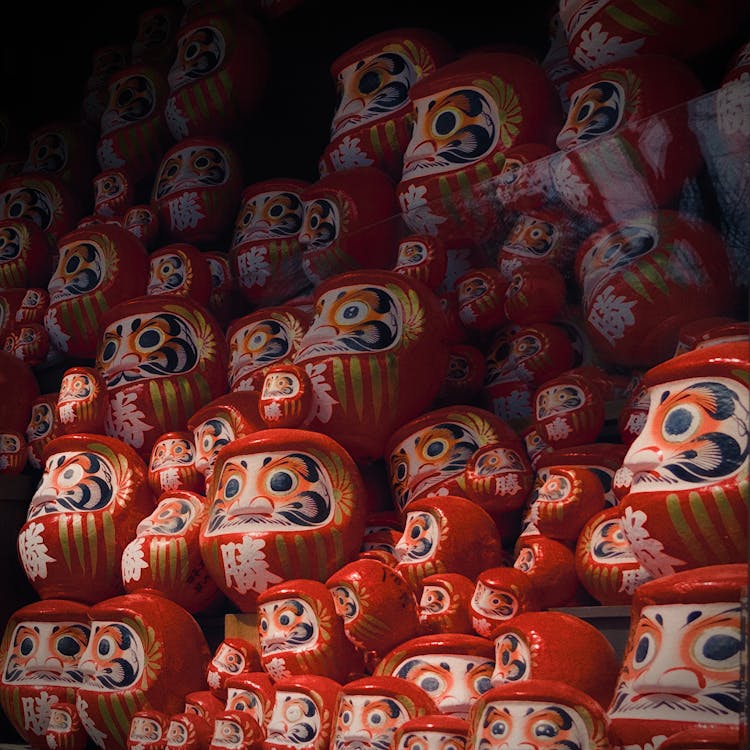
You buy a Daruma with one blank eye, make a wish, and ink in one eye. When the wish lands, you return, fill in the second eye and leave the doll at the temple, which is why thousands of them now stare out from walls, steps and garden stones. Autumn turns the surrounding maples scarlet and gold, and the place is at its best then. Admission is ¥400, reachable by bus from Senri-Chuo Station. For Osaka’s wider temple heritage, see our temples and shrines guide.
Hozenji: the moss-covered mystery
Down a narrow stone-paved alley in Minami, steps from the Dotonbori chaos, Hozenji is a tiny, atmospheric temple that feels like a door into another century. Its draw is a Fudo Myo-o statue, a fierce Buddhist deity, gone entirely green under a thick coat of moss from generations of worshippers splashing water over it in prayer.
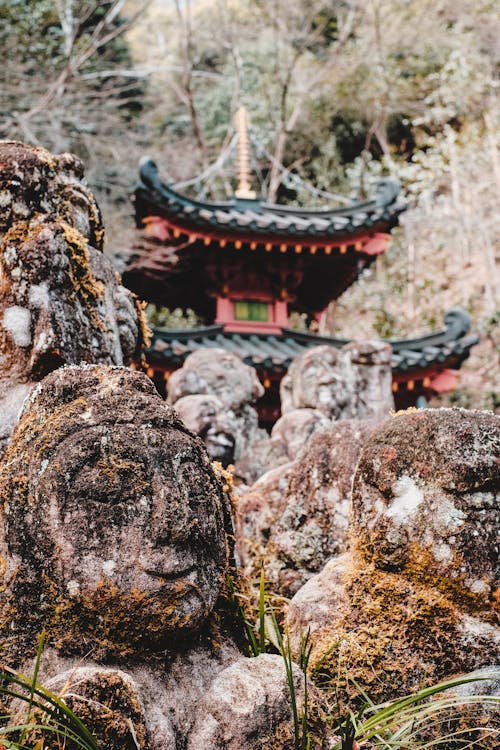
The surrounding Hozenji Yokocho alley is just as good, a stone-flagged lane of old restaurants and bars that looks frozen a hundred years back, and best in the evening when lanterns glow against the wood. You could walk past it without noticing; notice it once, and it becomes one of the trip’s quiet highlights. Entry is free.
Tamatsukuri Inari: wishes and white foxes
This compact Inari shrine near Tamatsukuri Station barely registers in guidebooks, but it’s been a place of worship since ancient times and is tied to Toyotomi Hideyoshi’s mother, who is said to have prayed here for the birth of Japan’s future unifier. It’s known for its many small white fox statues and its links to luck in business and love.
What sets Tamatsukuri Inari apart is its annual Hina Matsuri (Doll Festival) display and a quiet tea-ceremony garden. The shrine runs occasional traditional events that give an intimate look at living Japanese spiritual life, well away from the tourist-heavy shrines elsewhere in the city.
Nature within reach of the centre
Minoo Park and Minoo Falls
Just 30 minutes from downtown by train, Minoo Park (also spelled Minoh) is a wooded valley that feels a world from the city below. Its star is the 33-metre Minoo Falls, reached by a gentle, mostly paved 2.7-km trail that follows the river up through dense forest, one of the most rewarding half-days in the whole region for anyone who likes a walk.
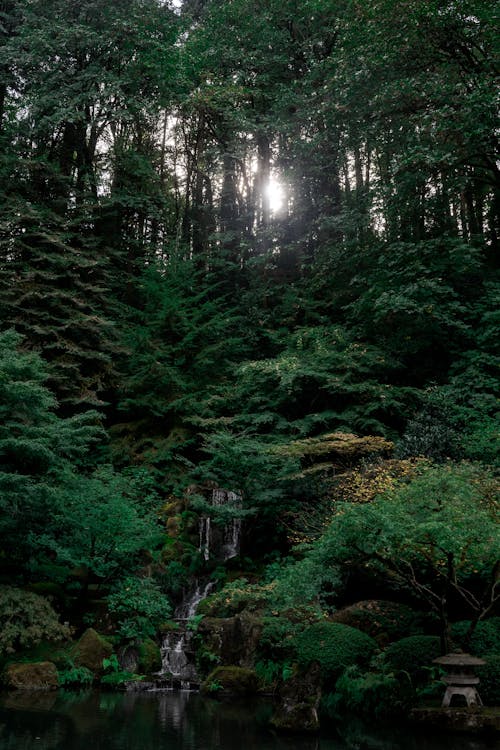
Along the way you’ll pass small temples, including the historic Ryuanji, and vendors selling momiji tempura, deep-fried maple leaves that are a Minoo specialty and far tastier than they sound. Autumn (mid-November to early December) is the showstopper, when the valley ignites in red and gold, but it’s lovely year-round. Entry is free, and the trailhead is a short walk from Minoo Station on the Hankyu Minoo Line. For more like it, check our day trips from Osaka guide.
Utsubo Park and its rose garden
In Nishi Ward, wedged between the offices of Honmachi and the creative buzz of Horie, Utsubo Park is an urban oasis most tourists never notice. Its prize is a rose garden of over 160 varieties that puts on a real show during the May–June and October–November blooms, and local gardeners rate it above plenty of more famous rose gardens around Japan.
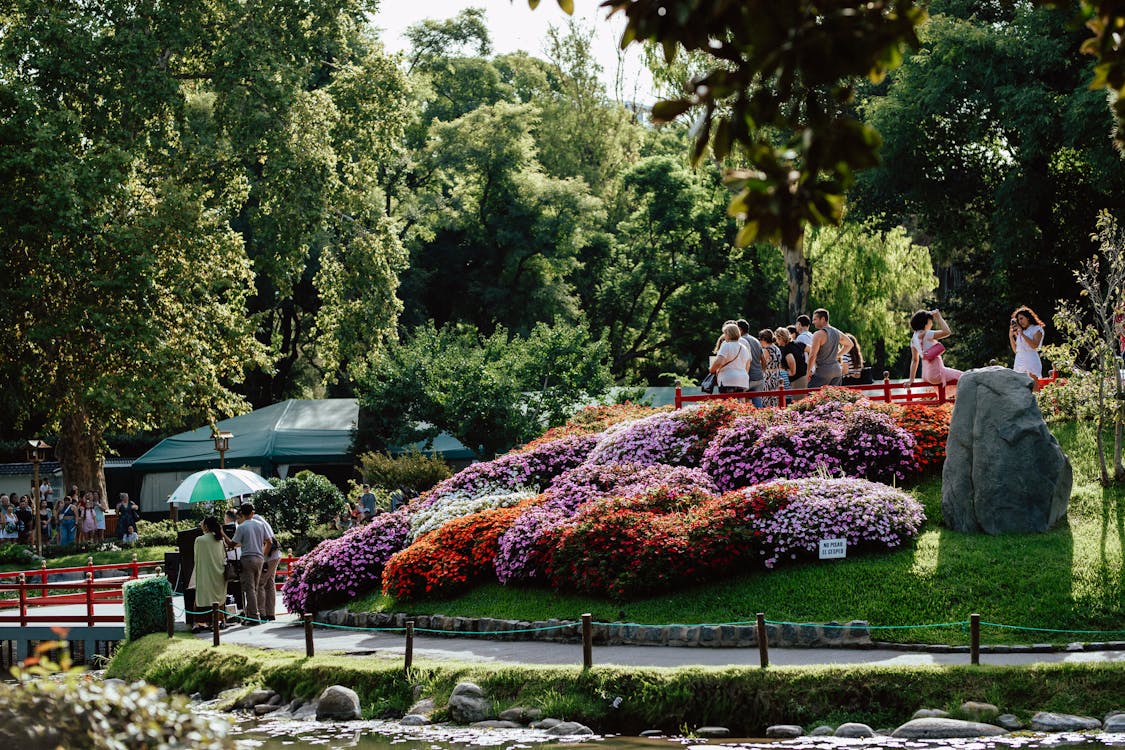
Past the roses there are tennis courts, a playground and broad green lawns made for picnicking, a beloved local pastime you’re welcome to join. Weekends often bring small markets and events. It pairs perfectly with a morning before exploring nearby Horie, proof that the city centre still hides plenty.
Expo ’70 Commemorative Park
The site of Japan’s first World Expo in 1970, this huge park in Suita City (about 25 minutes from Umeda) is presided over by the Tower of the Sun, Taro Okamoto’s striking 70-metre sculpture that’s become an unofficial emblem of Osaka’s creative streak. The tower is well known; the vast park around it is badly underappreciated.
The grounds hold a Japanese garden, a natural forest, a lotus pond and seasonal flower fields. In spring, over 5,000 cherry trees make it one of the best, and least mobbed, hanami spots in Kansai. The National Museum of Ethnology sits inside the park and pulls a fraction of the visitors it deserves. Admission is ¥260. If you’re here in cherry-blossom season, our seasonal guide has more.
Food experiences off the tourist trail
Tenma: the standing-bar capital
Our nightlife guide handles the big entertainment districts, but the Tenma area around Tenjinbashisuji deserves its own mention as one of the city’s best eating-and-drinking corners. This is the undisputed home of tachinomi, standing bars, and tiny izakaya, the kind of eight-to-ten-seat rooms where the owner is chef, bartender and host all at once.
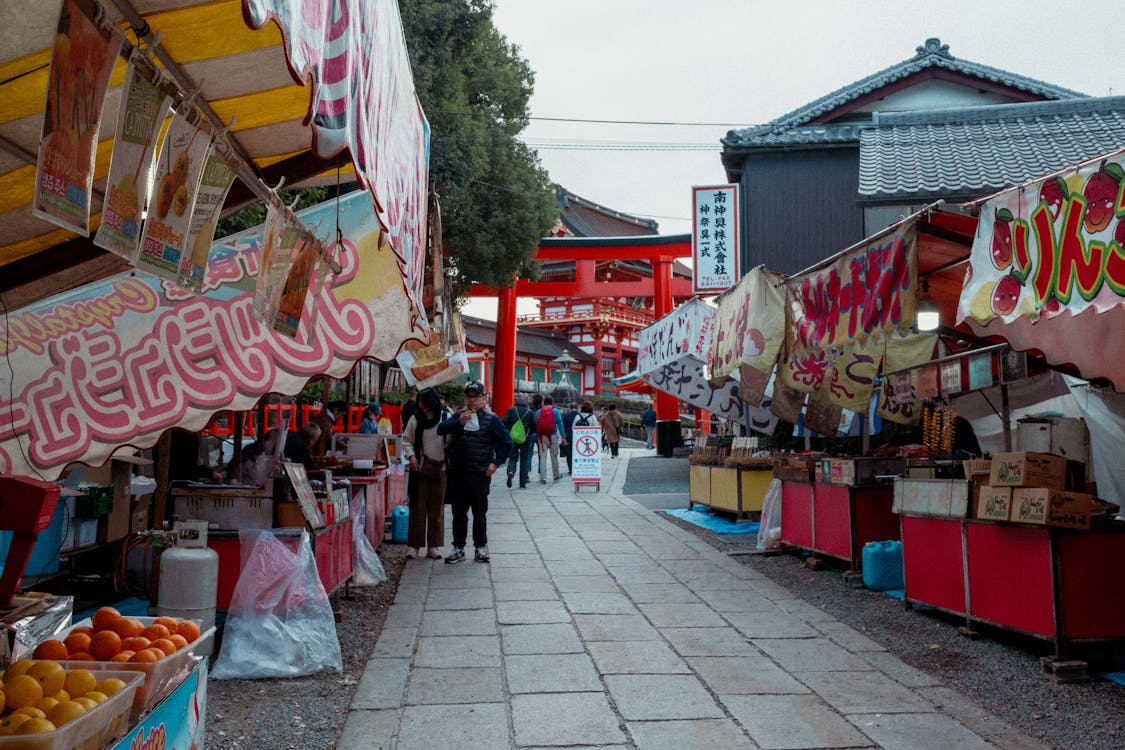
Tenjinbashisuji itself is Japan’s longest covered arcade at 2.6 km, packed with local shops, bakeries and restaurants that cater to residents rather than visitors. Start near Minami-Morimachi Station at the southern end and work north, ducking into side streets whenever something catches your eye. Drinks at the standing bars start from just ¥200 and small plates from ¥100, making this one of the cheapest places to eat in the whole city.
Nishinari morning grills
For the truly adventurous, the Nishinari district offers one of Osaka’s rawest experiences: morning horumon (offal) grills. In small, no-frills shops, workers start the day on grilled intestines, cold beer and blunt conversation. There’s nothing performed about it, people order fast, eat standing at the counter, and leave when they’re done.
This isn’t for everyone, and the neighbourhood has a grittier name than the tourist zones, but for unvarnished authenticity there’s little like it in the city. The area around Shin-Imamiya Station is the heart of the scene. Come with respect, an open mind and a willingness to point at whatever looks good, and you’ll eat some of the most memorable, cheapest meals of the trip.
Shitennoji flea market
Held on the 21st and 22nd of every month at Japan’s oldest officially administered temple, the Shitennoji flea market is a paradise for bargain hunters and culture seekers alike. Hundreds of stalls spread across the grounds with antiques, vintage kimono, ceramics, handmade crafts, old vinyl and all manner of curiosities, and the food stalls are every bit as good.
The crowd is a fascinating mix of elderly collectors, young vintage hounds and curious wanderers, and it captures Osaka’s friendly, level spirit perfectly. Get there early, the market opens at dawn, for the best pickings, and leave time for Shitennoji Temple itself; the grounds are lovely and the outer areas are free.
Unusual museums and one-off experiences
The Osaka Sewerage Science Museum
It doesn’t sound promising, but the Osaka Sewerage Science Museum is one of the most unexpectedly fun things to do in the city, especially with kids. Across six floors you walk through giant toilet seats, crawl through pipes, play sewer-themed video games and learn how Osaka’s clever underground infrastructure actually works. Admission is completely free, which makes it an ideal rainy-day stop. Find it near Kyobashi Station. For more in this vein, see our unusual things to do in Osaka.
Kamigata Ukiyo-e Museum
Tucked near Namba Yasaka Shrine, this tiny museum is the only one in the world devoted purely to kamigata (Osaka-Kyoto) ukiyo-e woodblock prints. Unlike the Edo prints most people picture, the Osaka tradition leaned hard into kabuki actors and theatre, mirroring the city’s deep ties to the performing arts. It also runs hands-on woodblock printing workshops (book ahead) where you make your own print to take home, an unusual souvenir and a memorable hour for art lovers.
Sumiyoshi Taisha’s cat shrine and quiet corners
Sumiyoshi Taisha is on plenty of tourist radars, but most visitors miss its odder corners. The complex includes a small cat shrine (Neko no Yashiro), where you collect little cat figurines and trade them up for larger ones as they accumulate, a charming ritual cat people will adore. The surrounding Sumiyoshi Park, with its huge ancient camphor trees, is also under-explored and offers calm walking paths well away from the main halls.
Hands-on cooking and craft workshops
Some of the best experiences here aren’t places at all, they’re afternoons spent making something. Small, home-based cooking classes give an intimate route into Osaka’s famous dishes, taught by locals: handmade udon, sushi rolling in a kimono in the instructor’s own home, takoyaki mastery. No restaurant visit matches it.
Craft workshops around Tenma and Matsuyamachi run the same way, intimate sessions with skilled artisans in indigo dyeing, pottery, calligraphy and incense-making. Reckon on ¥3,000–8,000 a person, and book ahead. Our cultural experiences guide goes deeper on these.
Viewpoints and photo spots the crowds miss
Osaka Prefectural Government Building observatory
Most visitors pay to ride Abeno Harukas or the Umeda Sky Building. The Osaka Prefectural Government Building (Sakishima Cosmo Tower) in the bay area gives you a 252-metre panoramic deck with far fewer people and a lower price (¥700). On a clear day the view stretches from the Akashi Kaikyo Bridge to the mountains of Nara, and the sunset over Osaka Bay rivals anything from the famous towers.
Namba Yasaka Shrine: the lion’s mouth
This neighbourhood shrine in Namba has one of the most photogenic structures in the city, a colossal lion-head stage (Ema-den) measuring 12 metres tall, 11 wide and 10 deep. The gaping mouth serves as a stage for traditional performances, and locals reckon it swallows evil spirits and brings luck. For all its Instagram appeal, it sees a tiny fraction of the foot traffic that nearby Dotonbori pulls.
Nakanoshima after dark
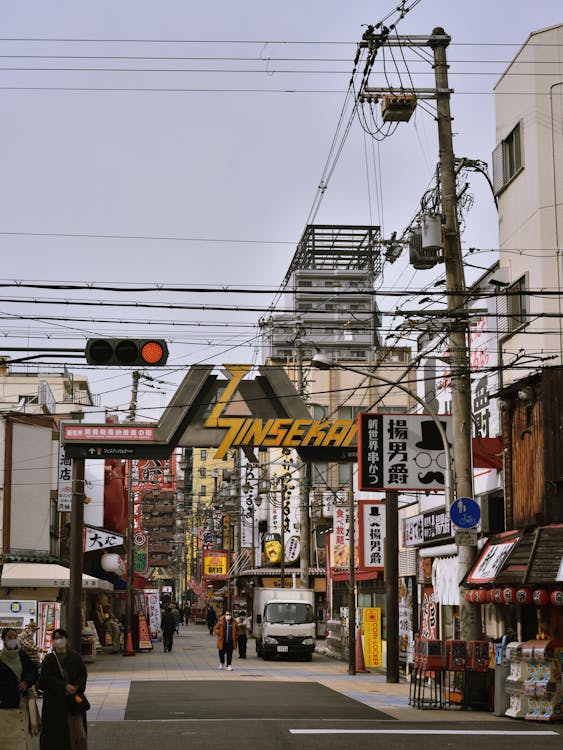
The island of Nakanoshima, slung between the Dojima and Tosabori rivers, is beautifully lit at night yet draws surprisingly few tourists. Around the Central Public Hall, a handsome 1918 neo-Renaissance pile, and the Nakanoshima Library, the riverscape turns almost European, ideal for an evening walk and some photography. In winter the Nakanoshima Illumination Festival lights the whole island up. Pair it with nearby Kitahama and Honmachi for a memorable evening away from the crush.
Local festivals worth catching
Some of the most authentic experiences here are time-limited, the small neighbourhood matsuri tourists almost never stumble on. Skip the giants and seek out the local-shrine celebrations, with their traditional performances, volunteer-run food stalls and genuine community feel.
Aizen Matsuri (June 30 – July 2): Osaka’s festival-season opener at Aizen-do Temple, one of the city’s oldest summer festivals. Unlike the vast Tenjin Matsuri, it keeps an intimate, local feel, with beautiful yukata processions and traditional performances.
Sumiyoshi Matsuri (July 30 – August 1): at Sumiyoshi Taisha, with dramatic mikoshi (portable shrine) processions through the streets and over the shrine’s famous arched bridge, set to traditional music and dance.
Shitennoji Wasso (November): a one-off celebrating Osaka’s ancient role as Japan’s gateway to Asia, with processions in historical costume representing Korean, Chinese and Southeast Asian exchange. For a full calendar, our seasonal guide covers every month.
How to find your own corners of Osaka
Tricks for uncovering your own spots
Walk between the famous places. The good stuff is in the gaps, not the destinations. Instead of riding the subway from Namba to Shinsaibashi, walk it and poke around the side streets. Osaka is hugely walkable, and the transportation guide helps you plot routes that maximise the wandering.
Go on weekday mornings. Even popular spots feel like a private discovery before 10am on a weekday. Temples are at their calmest, arcades are quiet, and you’ll share the parks with joggers and elderly locals doing tai chi instead of tour groups.
Follow the locals. A line of Japanese office workers outside a tiny place with no English menu is usually the sign you’ve found something special. Osakans take their food seriously, and they’re rarely wrong.
Explore after dark. Plenty of these places transform at night, the quiet daytime arcades become atmospheric bar-lined lanes, riverside paths turn romantic, and temples take on a different character under lantern light.
Ask where you’re staying. Whether it’s a ryokan or a modern hotel, staff often have personal favourites they’ll happily share, especially at smaller places in Tenma, Horie and Nakazakicho, where the hosts are usually locals with real neighbourhood knowledge.
Getting to the harder-to-reach spots
Most of what’s here is easy by public transport, Osaka’s subway and private rail reach well beyond the central tourist zone. The Osaka Amazing Pass throws in unlimited subway rides plus free entry to several sights, which makes it handy for a day given over to the lesser-known places.
For the likes of Katsuoji or Minoo Park that need a bus or a private rail line, budget an extra 30–45 minutes each way from the centre. The journey is half the fun, anyway, watching the city loosen into forest and mountain as you go only sharpens the sense of getting somewhere few people bother to.
A three-day route off the tourist trail
Day 1: backstreet neighbourhoods and local food
Morning: coffee and vintage in Nakazakicho (9am–12pm). Lunch: standing-bar hopping and local bites along Tenjinbashisuji (12–2pm). Afternoon: Karahori Shotengai and the Uemachi Plateau temples (2–5pm). Evening: dinner in Ura Namba’s back-street izakaya, then drinks among the lanterns of Hozenji Yokocho (6pm on).
Day 2: nature, art and quiet
Morning: hike to Minoo Falls, early for the calmest walk (8–11am). Lunch: momiji tempura from the trailside vendors. Afternoon: Katsuoji Temple and its Daruma (1–3pm). Evening: a Nakanoshima riverside walk and dinner around Kitahama (5pm on).
Day 3: creative culture and old heritage
Morning: woodblock workshop at the Kamigata Ukiyo-e Museum (10am–12pm). Lunch: Namba Yasaka Shrine and the streets around it. Afternoon: Horie, Orange Street boutiques, cafes and galleries (2–5pm). Evening: standing bars in Tenma for the full local experience (6pm on).
Osaka rewards the curious
The nice thing about Osaka’s quieter side is that it never sits still, new cafes open in old machiya, forgotten shrines pick up new devotees, neighbourhoods shift without losing their grain. The places here are starting points, not a finished list. This is a city that gives up its secrets slowly, handing return visitors something new every time.
What makes them stick is the human part, the temple keeper who pours you tea, the izakaya owner who insists you try today’s special, the cafe artist explaining their show in a mix of Japanese and hand gestures. Those are the moments that turn sightseeing into something closer to connection, and Osaka deals them out generously to anyone willing to look past the obvious.
To plan the whole trip, the under-the-radar stops alongside the headline sights, start with our complete Osaka travel guide, which ties it all together. And remember: in Osaka, getting lost is rarely getting lost. It’s just finding the next place you didn’t know to look for.
Explore the full off-the-beaten-path series
Off the tourist trail, these guides point you to the parts of Osaka most visitors miss:
- Hoshida Park Osaka 2026: Hoshi-no-Buranko Suspension Bridge Guide
- Nakazakicho Osaka 2026: The Hipster Neighborhood Walking Guide
- Osaka Hidden Cafes 2026: Best Third-Wave Coffee & Old Kissaten
- Osaka Like a Local 2026: Daily Life Patterns Beyond the Tourist Trail
- Osaka Local Festivals 2026: Small Neighborhood Matsuri Guide
- Osaka Secret Restaurants 2026: 15 Locally-Loved Hidden Eateries
- Unusual Things to Do in Osaka 2026: 18 Quirky Experiences