Osaka comes alive after dark. Japan’s second city has earned its reputation as the nation’s entertainment capital — a place where neon-lit alleyways pulse with laughter, where tiny standing bars serve drinks for a few hundred yen, and where the energy on the streets at midnight easily rivals midday Tokyo. Whether you’re looking for a refined cocktail lounge, a raucous karaoke session, a thumping dance club, or a quiet seat at a lantern-lit izakaya, Osaka nightlife delivers on every front.
This comprehensive Osaka nightlife guide covers every major entertainment district, the best bars and clubs, traditional izakaya culture, karaoke, late-night eats, and the practical tips you need for a safe and memorable night out. For getting between districts, refer to our Osaka Transportation Guide, and for a broader look at each area, check our Osaka Neighborhoods Guide.
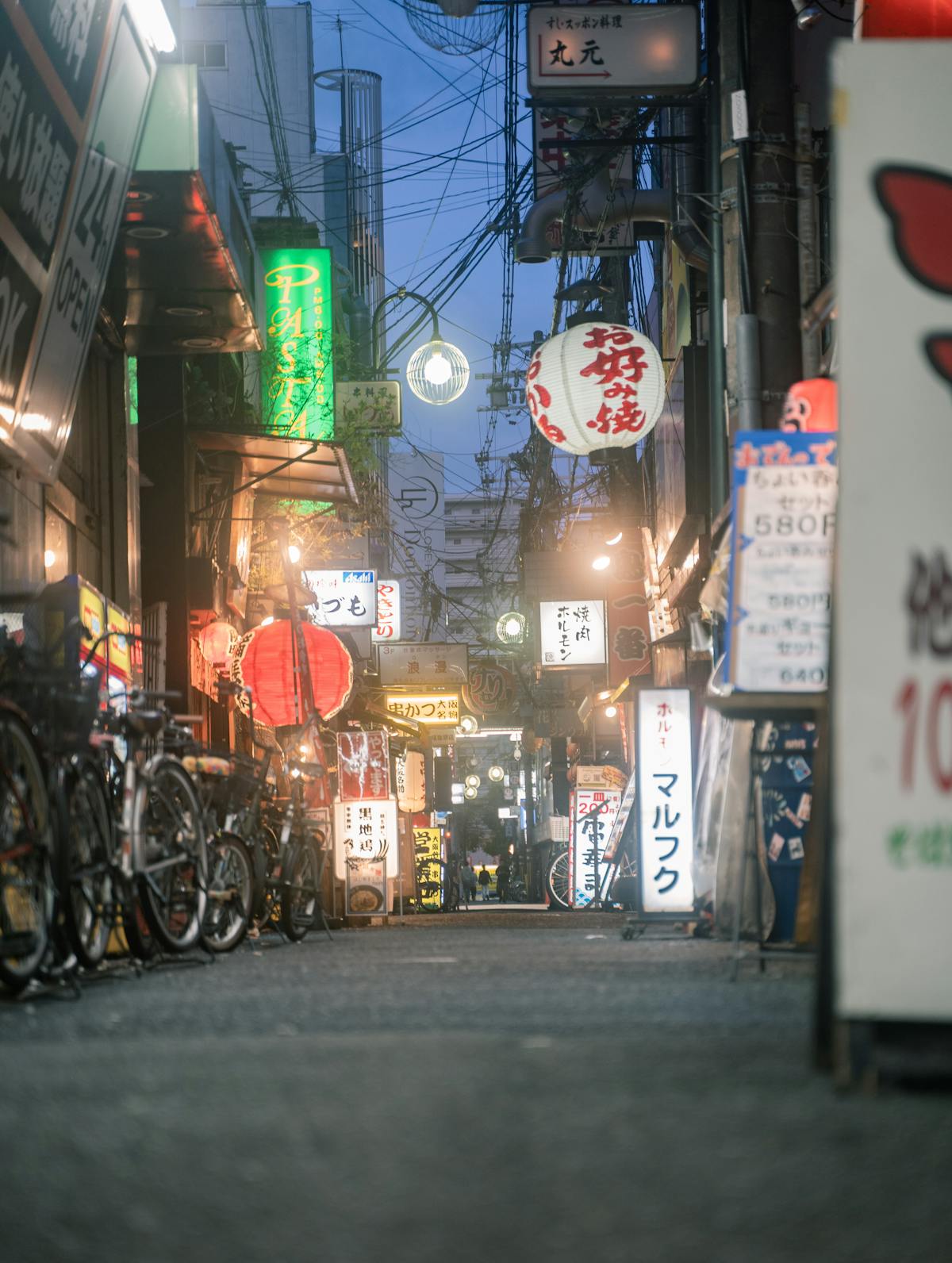
Understanding Osaka Nightlife: Kita vs. Minami
Osaka’s nightlife scene is divided into two broad zones that locals know as “Kita” (north) and “Minami” (south). Understanding this split is the first step to planning your evenings.
Kita (Umeda area) centers on the skyscrapers and department stores around JR Osaka Station and Hankyu Umeda Station. The nightlife here tends to be more polished — rooftop cocktail bars in sleek high-rises, sophisticated wine bars tucked into basement corridors, and the sprawling underground entertainment complexes of Kitashinchi. The crowd skews slightly older and more professional, making it ideal if you prefer a refined evening. Just one station east, Tenma offers the opposite vibe: a labyrinth of tiny, no-frills standing bars beloved by locals.
Minami (Namba / Shinsaibashi / Dotonbori area) is where the city’s wilder, more tourist-friendly energy lives. This is the Osaka nightlife that appears on postcards — the iconic Glico Running Man sign, the neon-drenched canal of Dotonbori, and the packed bar streets of Amerikamura and Ura-Namba. The pace is faster, the crowds are younger, and the fun runs later. Most first-time visitors will spend the majority of their nights here.
Top Osaka Nightlife Districts
Dotonbori: The Neon Heartbeat of Osaka Nightlife
Dotonbori is the epicenter of Osaka nightlife and the single most recognizable entertainment strip in the city. The canal-side boulevard explodes with towering neon signage — giant mechanical crabs, illuminated takoyaki signs, and the famous Glico billboard — creating a sensory overload that makes it the ultimate starting point for any night out.
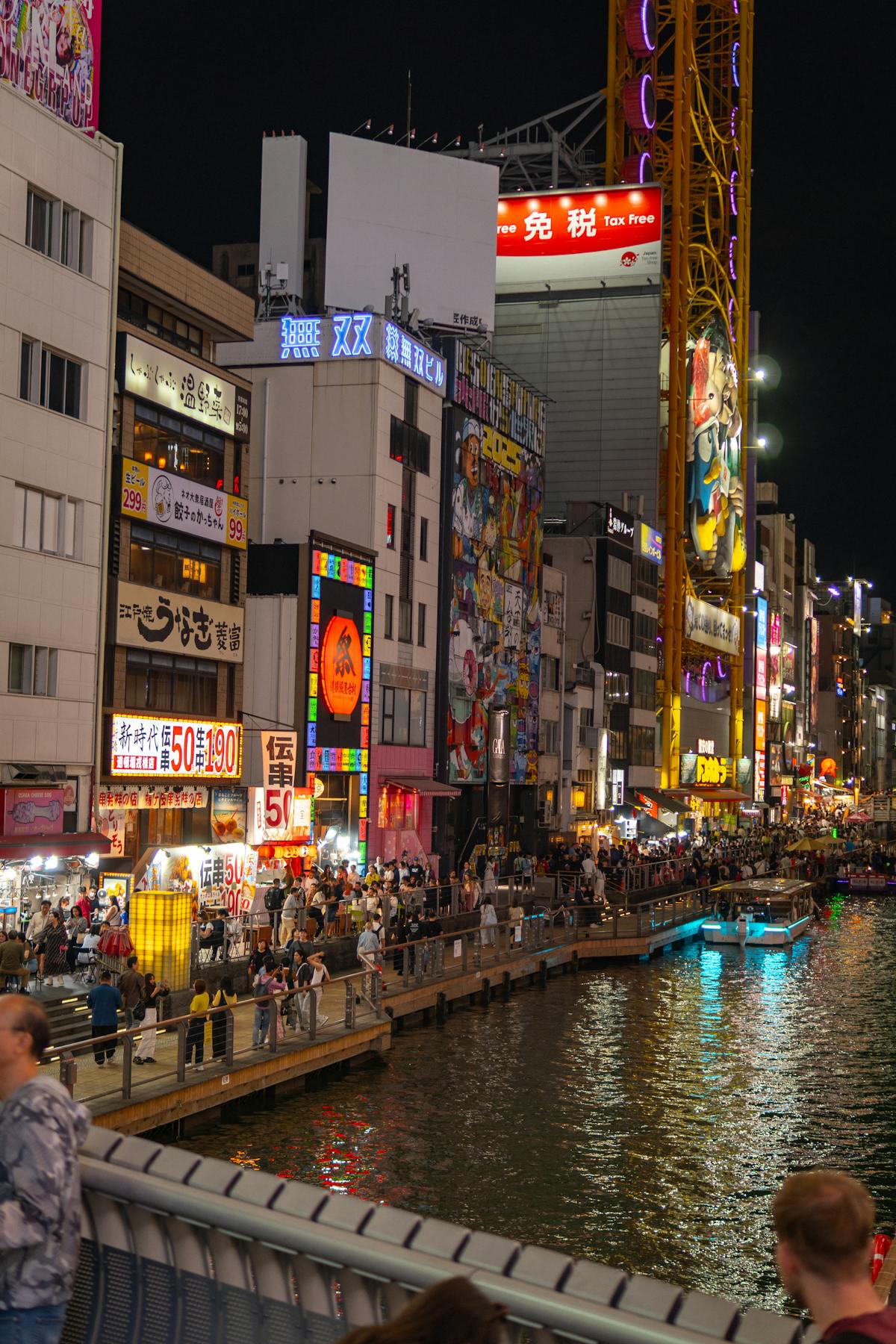
Street food vendors line the canal until late, making Dotonbori perfect for combining eating and drinking. Takoyaki stands, kushikatsu stalls, and gyoza counters stay open well past midnight. The energy peaks between 8 PM and midnight, but many venues continue until the first trains start at 5 AM. For our full rundown of what to eat here, see our Osaka Food Guide.
Best for: First-time visitors, street food and bar hopping, people watching, photos, late-night energy.
Shinsaibashi & Higashi-Shinsaibashi: Osaka’s Glamorous After-Dark Scene
A ten-minute walk north from Dotonbori, Shinsaibashi transforms from a luxury shopping boulevard by day into one of Osaka’s most exciting nightlife hubs after sunset. East of the main Midosuji avenue lies Higashi-Shinsaibashi — a dense grid of narrow streets packed with izakayas, cocktail bars, hostess clubs, and some of the city’s best nightclubs. Often called “the neighborhood that never sleeps,” it stays buzzing deep into the early morning hours.
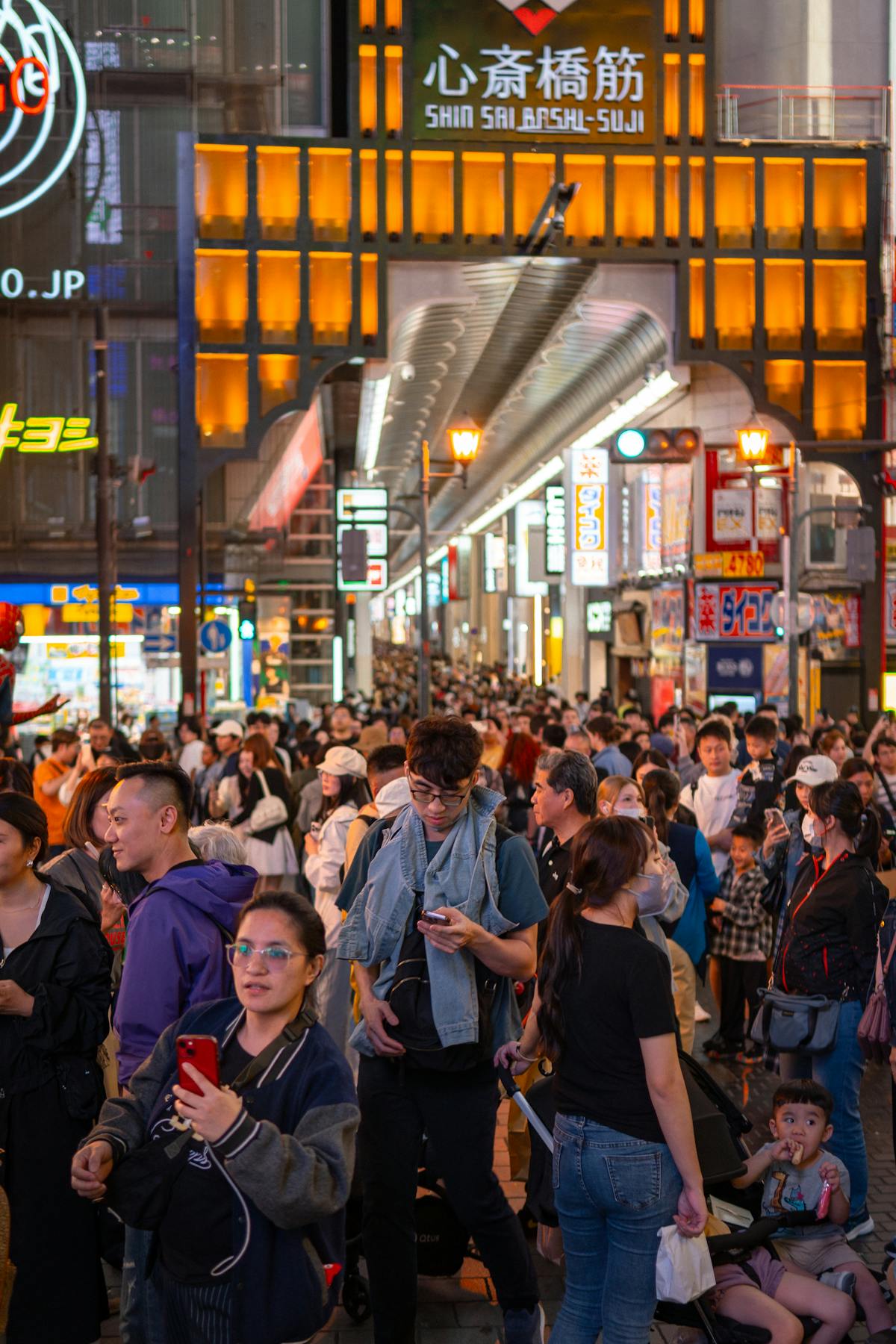
This district hosts major clubs like Club Joule and AMMONA, both of which regularly attract international DJs and stay open until sunrise. For cocktail lovers, Shinsaibashi is also home to some of Osaka’s most acclaimed bars, including spots where bartenders craft bespoke drinks without a menu — they’ll simply ask your mood and preferences, then create something unique.
Best for: Clubbing, craft cocktails, upscale bars, late-night dancing, nightlife variety.
Namba & Soemoncho: Clubs, Bars, and Entertainment
Namba anchors Osaka’s southern nightlife zone and functions as the main transit hub for the Minami area. Just south of Dotonbori, Soemoncho is Osaka’s dedicated entertainment quarter — a compact district where blocks of izakayas, bars, karaoke boxes, and nightclubs sit side by side. This is where you’ll find Giraffe Nightclub (now at a prime location steps from the Glico billboard), The Pink, and GALA RESORT — all welcoming to international visitors.
The area around Namba Parks and Namba CITY also offers rooftop bars with city views, while the streets leading toward Nipponbashi are dotted with casual standing bars and all-you-can-drink establishments.
Best for: Nightclubs, entertainment variety, easy transit access, international-friendly venues.
Amerikamura: Indie Vibes and Underground Beats
Amerikamura — “American Village” — is Osaka’s equivalent of Tokyo’s Shibuya, a compact triangle of streets known for vintage shops, street art, and a young, fashion-forward crowd. After dark, the neighborhood’s underground clubs and hip-hop bars come alive. Music here leans toward indie, hip-hop, electronic, and experimental — a welcome change from the mainstream EDM that dominates Shinsaibashi’s bigger clubs.
Small live music venues regularly showcase local and touring bands, while bars like Triangle Park’s surrounding watering holes draw a creative crowd that stays late. Drinks tend to be cheaper here than in Shinsaibashi, and the atmosphere is considerably more laid-back.
Best for: Live music, underground clubs, hip-hop, budget-friendly bars, creative crowd.
Ura-Namba: The Local’s Hidden Bar District
Just east of Namba Station, Ura-Namba (literally “behind Namba”) has emerged over the past decade as one of Osaka’s most exciting drinking neighborhoods. Where the polished face of Namba ends, narrow alleyways lit by red lanterns and paper signs begin. The district is packed with tiny izakayas — some seating barely six people — where chefs prepare yakitori, sushi, and tempura right in front of you.
A red torii gate marks the entrance to one of the most popular alleys, home to nine curated izakayas that serve classic Japanese dishes alongside cold beer and sake. Bar hopping here feels authentically local, far removed from the tourist energy of Dotonbori just a few minutes’ walk away.
Best for: Authentic izakaya hopping, local atmosphere, small intimate bars, food and drink pairing.
Shinsekai & Jan-Jan Yokocho: Old-School Osaka Drinking
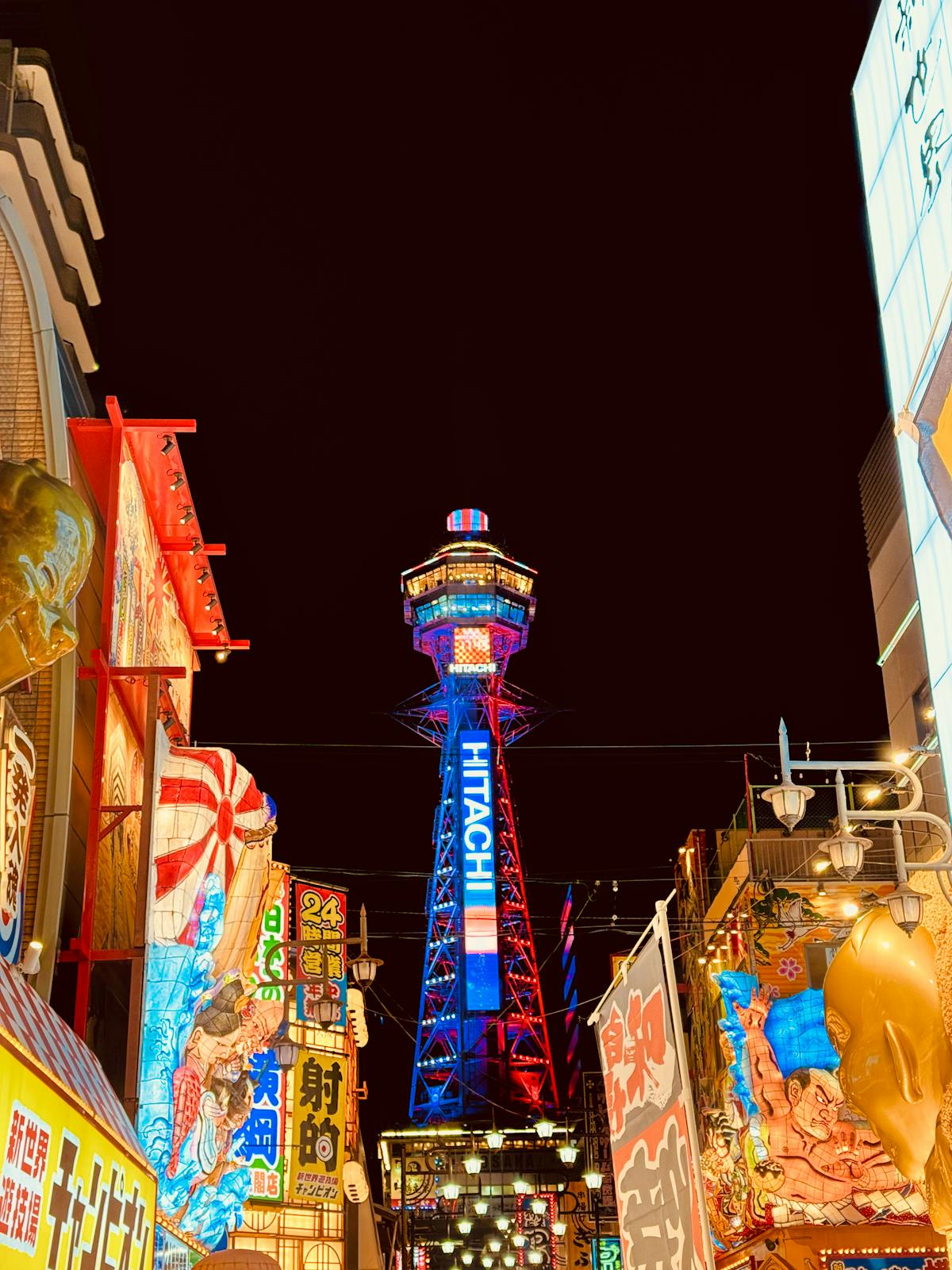
Shinsekai (“New World”) is a throwback to mid-century Osaka — a neighborhood of retro neon, garish signage, and working-class drinking culture centered on the iconic Tsutenkaku Tower. The main attraction for nightlife here is Jan-Jan Yokocho, a narrow covered alley lined with tiny bars and kushikatsu restaurants that have been serving locals for decades.
Prices are among the lowest in the city: beer runs ¥400–600, chuhai costs ¥300–500, and an entire evening of drinking and snacking rarely tops ¥3,000. Shinsekai’s nightlife peaks earlier than Namba (roughly 7–11 PM), making it a great first stop before heading south. Pair your drinks with the neighborhood’s signature dish — kushikatsu (deep-fried skewers) — at one of the many counters where the golden rule is “no double-dipping” in the communal sauce.
Best for: Budget drinking, kushikatsu dinners, retro atmosphere, early evening bar hopping.
Tenma & Nakazakicho: Northern Osaka’s Hidden Gems
One stop east of Umeda, Tenma is northern Osaka’s answer to Ura-Namba — a warren of narrow streets crammed with tiny standing bars and hole-in-the-wall izakayas that rarely appear in tourist guidebooks. The area flanks Tenjinbashisuji, Japan’s longest shopping arcade at 2.6 kilometers, with countless side streets hiding some of the city’s best-value drinks and yakitori.
Nearby Nakazakicho has a different character entirely. Old wooden houses and Showa-era buildings have been repurposed into quirky cafés, art bars, and tiny vinyl record shops. The pace is slower and more bohemian — perfect if you want a creative, alternative night out away from the Minami crowds. For more on these under-the-radar neighborhoods, see our guide to Osaka Neighborhoods.
Best for: Standing bars, local atmosphere, budget izakayas, alternative and creative scene (Nakazakicho).
Izakaya Culture: The Heart of Osaka Nightlife
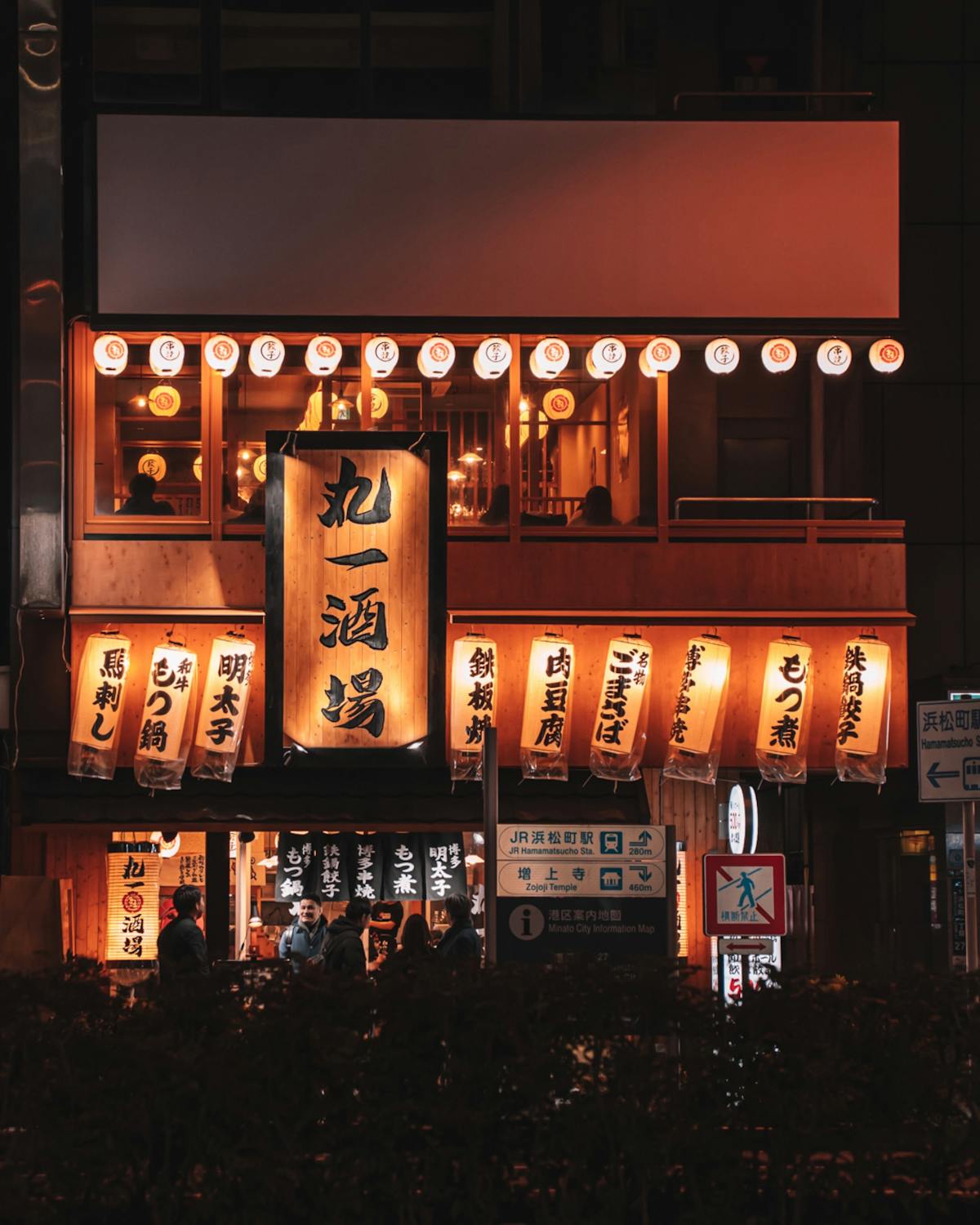
No Osaka nightlife experience is complete without an evening at an izakaya — Japan’s beloved casual drinking establishments that serve small plates of food alongside beer, sake, and shochu. Izakayas are where Osakans truly unwind, and the city’s version of izakaya culture carries a distinctly warm, boisterous character that matches the local reputation for friendliness.
What to Expect at an Osaka Izakaya
Most izakayas operate on an “otoshi” system — you’ll be served a small appetizer when you sit down, typically costing ¥300–500, which effectively functions as a table charge. From there, you order rounds of drinks and small dishes to share. Popular izakaya dishes include edamame, grilled chicken skewers (yakitori), sashimi, fried tofu (agedashi tofu), and Osaka’s own specialty, kushikatsu.
Many izakayas offer “nomihoudai” (all-you-can-drink) plans, typically priced at ¥1,500–2,500 for 90 minutes to two hours. These plans usually include draft beer, chuhai (shochu highballs), basic cocktails, and sometimes sake. They’re excellent value and a staple of group nights out in Osaka.
Standing Bars (Tachinomi): Osaka’s Budget Drinking Secret
Tachinomi — standing-only bars — are an essential part of Osaka nightlife and offer some of the cheapest drinking in the city. With no seats and minimal overhead, these bars pass savings directly to customers. Drinks start as low as ¥200–300, and small plates of food typically cost ¥100–400. The lack of seats encourages quick turnover and easy conversation with strangers — standing bars are where you’ll meet the most locals.
Tenma and Shinsekai are particularly rich in tachinomi, but you’ll find them scattered throughout Namba and Umeda as well. Look for the kanji 立ち飲み on signs outside, or simply follow the crowds standing with drinks in hand along narrow alleyways.
Yokocho (Alley Bars): Bar Hopping Like a Local
Yokocho — covered drinking alleys lined with tiny bars and food stalls — are among the most atmospheric places to experience Osaka nightlife. Each yokocho has its own personality. Hozenji Yokocho near Dotonbori is a stone-paved alley with around 50 atmospheric restaurants tucked alongside the moss-covered Hozenji Temple. Jan-Jan Yokocho in Shinsekai is gritty and working-class. The alleys around Tenma feel like a local secret.
The etiquette in yokocho bars is simple: greet the staff when you enter, order at least one drink, and don’t overstay if the bar is tiny and people are waiting. Most places welcome solo drinkers — in fact, sitting at a counter in a six-seat bar is one of the best ways to strike up conversations in Japan.
Best Bars in Osaka: From Craft Cocktails to Whisky Dens
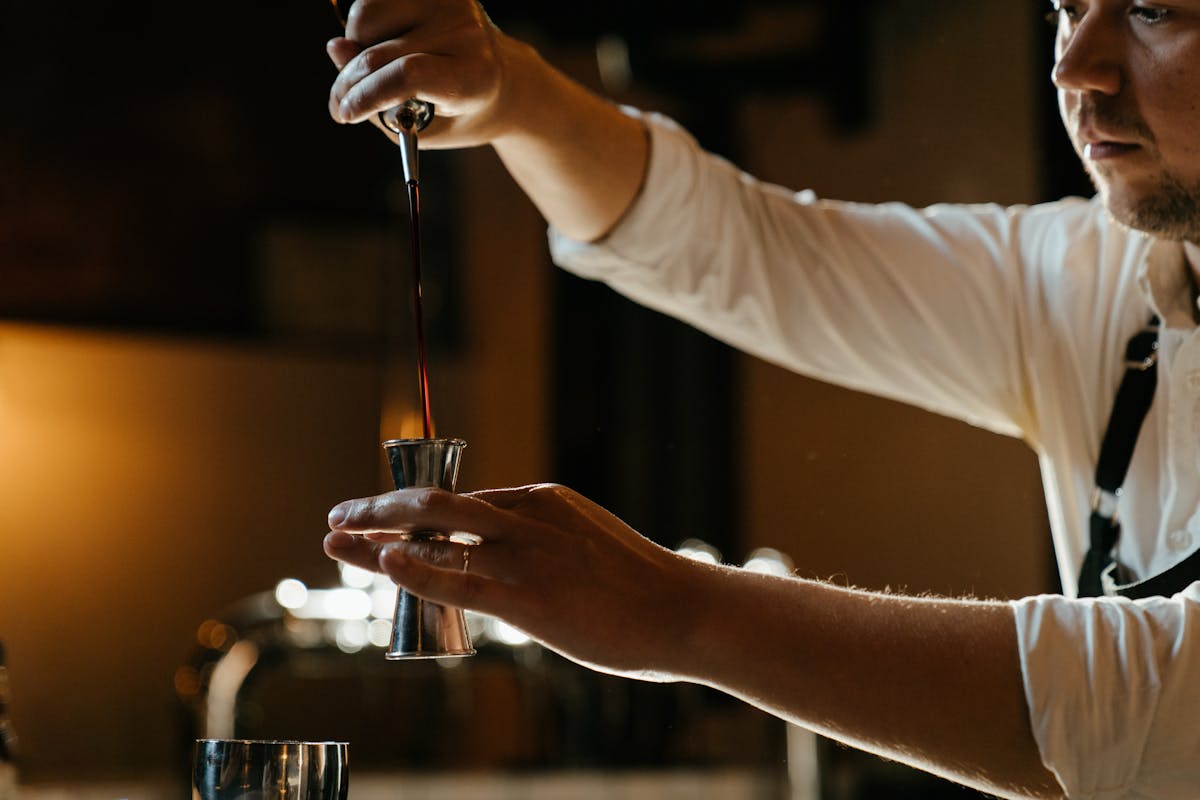
Osaka’s bar scene ranges from world-class cocktail lounges to quirky themed bars. Japan is widely regarded as home to some of the planet’s best bartenders, and Osaka’s cocktail culture — while less internationally famous than Tokyo’s — is just as refined and considerably less crowded.
Cocktail Bars
Osaka’s craft cocktail scene is anchored in Shinsaibashi and Kitashinchi. Many top-tier bars operate without a menu — the bartender asks about your preferences, your mood, and what flavors appeal to you, then creates something bespoke. This “omakase-style” cocktail service is a uniquely Japanese experience. Expect to pay ¥1,200–2,000 per drink at upscale establishments, with the experience and craftsmanship justifying every yen.
Look for bars with Baccarat crystal glassware displayed behind the counter — it’s a signal of serious dedication to the craft. The bartenders in these establishments often train for years under master mixologists before opening their own venues.
Whisky Bars
Japan’s whisky renaissance has made Osaka an outstanding destination for whisky lovers. The city sits just a short train ride from the Suntory Yamazaki Distillery in Shimamoto (see our Day Trips from Osaka guide), and that proximity means local bars often stock rare bottles that are difficult to find elsewhere. Bars in Kitashinchi and Tenma specialize in extensive Japanese whisky collections alongside Scottish single malts.
The highball — whisky mixed with soda water — is the drink of choice at casual bars, priced between ¥400–700. For neat pours of premium Japanese whisky, expect ¥1,500–5,000+ depending on rarity.
Sake Bars
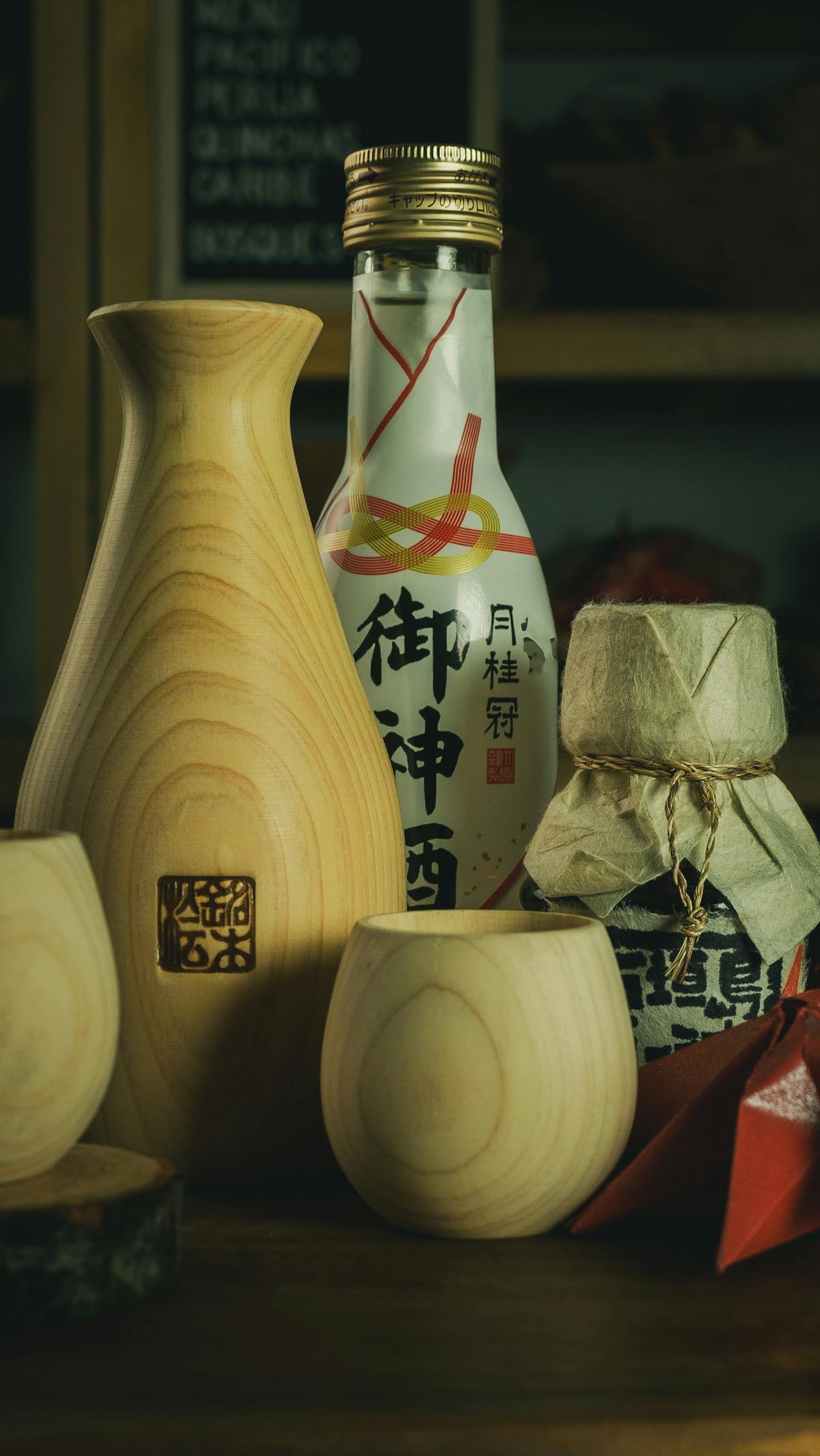
The Kansai region produces some of Japan’s finest sake, particularly from the Nada district in nearby Kobe and Fushimi in Kyoto. Osaka’s sake bars take full advantage of this proximity, offering curated selections of local brews alongside varieties from across Japan. Many sake bars offer tasting flights of three to five varieties (¥800–1,500), which is the ideal way to explore different styles from dry junmai to fruity daiginjo.
Standing sake bars are common in Tenma and Ura-Namba, where a single glass starts at just ¥300–400. For a more refined experience, dedicated sake lounges in Shinsaibashi pair premium bottles with seasonal small plates.
Osaka Nightclubs: Where to Dance Until Dawn
Osaka’s club scene may be smaller than Tokyo’s, but it punches well above its weight in terms of energy, friendliness, and value. Cover charges are typically lower, drinks are cheaper, and the crowds tend to be more approachable. Most major clubs are clustered in Shinsaibashi and Namba.
Top Clubs to Know
Club Joule (Shinsaibashi) — One of Osaka’s flagship nightclubs with three floors, a main dancefloor accommodating around 800 people, a mezzanine level, VIP floor, and rooftop terrace. Music ranges from EDM to hip-hop, and international DJs regularly headline. Cover: typically ¥2,000–3,000 including one or two drinks.
AMMONA (Shinsaibashi) — A stylish, upscale club known for its high ceilings, gorgeous chandeliers, and events that run until morning. The entertainment-focused programming attracts a well-dressed crowd, and the atmosphere emphasizes both dancing and socializing. Cover: ¥2,500–3,500.
Giraffe Nightclub (Dotonbori) — Located steps from the Glico billboard, Giraffe occupies a prime location and draws a mix of tourists and locals. The vibe is accessible and party-oriented — a good choice for first-timers who want a fun, unpretentious night. Cover: ¥1,500–2,500.
GALA RESORT (Namba) — A newer addition to the scene, GALA RESORT is particularly welcoming to international visitors, with English-speaking staff and an inclusive atmosphere. Music leans toward mainstream EDM and pop remixes.
Club Tips for Osaka
Japanese clubs require photo ID (passport or residence card) for entry — carrying your passport or a clear photo copy is essential. Most clubs open around 10–11 PM, but the dancefloor doesn’t really fill up until midnight or later. Cover charges almost always include at least one drink. Dress codes vary: Shinsaibashi clubs lean dressier, while Amerikamura venues are casual. Check individual club social media for event schedules and guest DJ announcements.
Karaoke in Osaka: Sing Your Heart Out

No Osaka nightlife guide would be complete without karaoke. Japan invented modern karaoke culture, and Osaka embraces it with gusto. Unlike the bar-stage karaoke common in Western countries, Japanese karaoke typically takes place in private rooms (karaoke boxes) where you and your group can sing without an audience of strangers — which also means you don’t need any talent to enjoy it.
How Karaoke Works in Japan
You check in at the front desk, choose a room size and time slot, and receive a remote control and song catalog. Most chains now use touchscreen tablets with English song search. Drinks and food are either ordered at the desk, through an in-room phone, or via the tablet. Pricing is per person per hour, typically ¥500–1,500 during peak evening hours, with late-night packages (midnight–5 AM) offering unlimited time for ¥1,500–2,500.
Karaoke Chains and Where to Find Them
Major chains like Karaoke Kan, Big Echo, Joysound, and Round One have multiple locations throughout Namba, Shinsaibashi, and Umeda. These chains offer extensive English song catalogs, clean rooms, and all-you-can-drink plans that pair perfectly with a karaoke session. Karaoke Kan gained international fame from its appearance in the film Lost in Translation and remains one of the most popular choices for visitors.
For a more unique experience, open-mic karaoke bars like The Drunken Clam in Shinsaibashi let you perform in front of a friendly crowd — a more social alternative to private rooms, with a strong selection of English-language songs and a welcoming international atmosphere.
Late-Night Food: Fueling Your Osaka Night Out
Osaka earns its nickname “Japan’s Kitchen” at all hours, but the late-night food scene is especially impressive. Many restaurants and street food stalls in the Dotonbori and Namba areas serve until 2–4 AM, making post-bar meals a seamless part of any night out.
Ramen: Late-night ramen is practically a ritual in Japan. Ichiran (24-hour, individual booths) and Kamukura in Dotonbori are popular choices, serving rich tonkotsu broth that’s the perfect nightcap. Expect to pay ¥800–1,200.
Takoyaki and kushikatsu: Street-side takoyaki stalls operate past midnight along Dotonbori, and kushikatsu shops in Shinsekai often stay open until the early hours. Both pair perfectly with a cold beer.
Convenience stores: Japan’s konbini (convenience stores) are legendary for quality food available 24/7. FamilyMart, 7-Eleven, and Lawson all offer onigiri, sandwiches, fried chicken, and even decent sake — a lifesaver during the “dead hours” between last trains and first trains.
For a deeper dive into Osaka’s culinary scene, see our complete Osaka Food Guide.
What to Drink in Osaka: A Quick Guide
Understanding the local drink menu will enhance your Osaka nightlife experience considerably. Here’s what you’ll encounter most often:
Nama biiru (draft beer): The default order at most izakayas. Asahi, Kirin, and Suntory are the big three. A medium glass runs ¥400–600. Craft beer is growing in Osaka, with local brewpubs charging ¥700–1,000 per pint.
Chuhai: Shochu mixed with soda and fruit flavoring — lemon, grapefruit, and plum are most popular. Light, refreshing, and affordable at ¥300–500. It’s the unofficial drink of Osaka’s standing bars.
Sake (nihonshu): Japan’s rice wine, served cold (reishu), at room temperature (hiya), or warm (atsukan). The Kansai region is one of Japan’s premier sake-producing areas, so local options are plentiful and excellent.
Highball: Whisky and soda, served ice-cold in a tall glass. Extremely popular as an everyday drink, priced ¥400–700. Japanese whisky highballs are lighter and more refreshing than you might expect.
Umeshu: Plum wine, sweet and smooth, often served on the rocks or with soda. A great entry point for those new to Japanese alcohol.
Practical Tips for Osaka Nightlife
Getting Around at Night
Osaka’s trains and metros run until approximately midnight, with first trains resuming around 5 AM. This creates a “dead zone” when public transit isn’t available. Your options during this window include taxis (available but expensive — a ride from Namba to Umeda costs roughly ¥1,500–2,000), ride-hailing apps like GO or S.RIDE, or simply staying out until 5 AM when trains resume — a strategy so common that clubs and karaoke boxes cater specifically to the “all-nighter” crowd with late-night packages.
If your hotel is within walking distance of Namba or Shinsaibashi, the nightlife districts are perfectly walkable on foot. For details on navigating Osaka’s transit system, check our Osaka Transportation Guide.
Budget Tips
Osaka nightlife can be enjoyed on almost any budget. Standing bars and Shinsekai’s izakayas offer entire evenings for under ¥2,000. All-you-can-drink plans at izakayas (¥1,500–2,500 for two hours) are exceptional value. Happy hours, typically from 5–7 PM, offer discounted draft beer at many bars. Karaoke late-night packages (midnight–5 AM) provide hours of entertainment for ¥1,500–2,500 per person. And for the truly budget-conscious, convenience store drinks start at just ¥150 for a canned chuhai.
For more money-saving strategies, see our Osaka Budget Travel Guide.
Safety and Etiquette
Osaka is one of the safest major cities in the world, and nightlife areas are generally very safe even in the early morning hours. That said, common sense applies: keep your belongings close, stay aware of your surroundings, and be cautious of touts who try to steer you into specific bars — particularly in Shinsaibashi, where some establishments charge inflated prices to tourists.
A few etiquette points to keep in mind: avoid drinking or eating while walking (it’s considered rude in Japan), don’t be excessively loud on the street late at night (residential areas adjoin some entertainment districts), and always carry your passport or a copy — clubs require photo ID for entry. Tipping is not expected and can actually cause confusion.
Smoking in Osaka Bars
Japan’s 2020 indoor smoking ban has made most restaurants and larger bars smoke-free, but many small bars (especially older izakayas and standing bars) still allow smoking. If you prefer a smoke-free environment, look for the “禁煙” (kin’en, no smoking) sign at the entrance, or ask “kin’en desu ka?” (is this non-smoking?) when entering.
Sample Osaka Nightlife Itineraries
Classic First Night: Dotonbori & Namba (6 PM – Midnight)
Start with street food along the Dotonbori canal around 6 PM — grab takoyaki and a beer from one of the canal-side stands. Walk east to Hozenji Yokocho for a drink at one of the atmospheric alley bars. Head to Soemoncho for an izakaya dinner with all-you-can-drink. End the night at a karaoke box near Namba Station or, if you’re still going, check out one of Shinsaibashi’s clubs.
Budget Night: Shinsekai & Tenma (5 PM – 11 PM)
Start early in Shinsekai with kushikatsu and cheap beer at Jan-Jan Yokocho (budget ¥2,000 for a full dinner with drinks). Take the Sakaisuji Line north to Minami-Morimachi Station and walk into Tenma’s standing bar district. Hop between two or three tachinomi, sampling yakitori and highballs (¥200–400 per drink). Total evening cost: under ¥4,000.
All-Night Adventure: Shinsaibashi & Amerikamura (9 PM – 5 AM)
Begin with cocktails at a Shinsaibashi craft bar around 9 PM. Move to a club like Club Joule or AMMONA around midnight for dancing. Step out around 2 AM for late-night ramen in Dotonbori. Continue to an Amerikamura bar for live music or hip-hop. Finish with a final drink and wait for the 5 AM first train home — or grab a karaoke room to kill the last couple of hours.
Osaka Nightlife by Neighborhood: Quick Comparison
Here’s a quick-reference comparison to help you choose which district matches your mood:
Dotonbori — Vibe: Electric, tourist-friendly. Best for: Street food, neon photos, first nights. Price: $$.
Shinsaibashi — Vibe: Glamorous, high-energy. Best for: Clubs, cocktails, dancing. Price: $$$.
Namba/Soemoncho — Vibe: Diverse, lively. Best for: Clubs, entertainment, transit convenience. Price: $$.
Amerikamura — Vibe: Indie, creative. Best for: Live music, hip-hop, budget bars. Price: $.
Ura-Namba — Vibe: Hidden, authentic. Best for: Izakaya hopping, local experience. Price: $$.
Shinsekai — Vibe: Retro, working-class. Best for: Budget drinking, kushikatsu. Price: $.
Tenma — Vibe: Local, unpretentious. Best for: Standing bars, yakitori, off-radar. Price: $.
Umeda/Kitashinchi — Vibe: Refined, upscale. Best for: Cocktail lounges, rooftop bars. Price: $$$.
Nakazakicho — Vibe: Bohemian, quirky. Best for: Art bars, vinyl bars, creative crowd. Price: $$.
Planning Your Osaka Trip
Osaka nightlife is best experienced as part of a well-planned trip that balances daytime sightseeing with evening adventures. For accommodation near the nightlife districts, see our Where to Stay in Osaka guide — staying in Namba or Shinsaibashi puts you within walking distance of most venues. Browse our guide to Things to Do in Osaka for daytime activities, and check out Osaka Shopping Guide for retail therapy before your night out.
Osaka’s nightlife scene rewards the curious and the adventurous. Step past the main tourist strips, follow the lanterns down a narrow alley, order what the person next to you is having, and let the city’s legendary warmth and hospitality carry you through the night. In a city that calls itself “Japan’s Kitchen” and lives by the motto “kuidaore” (eat until you drop), the nights are just as generous as the days.