Osaka’s central location in the Kansai region makes it the perfect launchpad for some of Japan’s most rewarding day trips. Ancient capitals, World Heritage castles, sacred mountain temples, and vibrant port cities all sit within easy reach — most accessible in under an hour by train. Whether you’re craving Kyoto’s thousand-year-old shrines, Nara’s friendly deer, Kobe’s legendary beef, or the spiritual forests of Mount Koya, the best day trips from Osaka deliver unforgettable experiences without requiring a hotel change.
This guide covers the top day trips from Osaka, ranked by popularity and ease of access. For each destination, you’ll find exactly how to get there, what it costs, how long to spend, and what to prioritize — so you can plan with confidence and make the most of your time in Kansai. Before heading out, review our Osaka Transportation Guide for details on IC cards and rail passes that can save you money on these excursions.
1. Kyoto: Japan’s Cultural Capital (15–30 Minutes)
Kyoto is the single most popular day trip from Osaka and for good reason. The former imperial capital (794–1868 AD) contains 17 UNESCO World Heritage Sites, over 2,000 temples and shrines, traditional geisha districts, and some of Japan’s finest cuisine. The two cities are so close that many travelers debate which to use as a base — but with Osaka’s more affordable hotels and livelier nightlife, using Osaka as your home base for Kyoto day trips from Osaka makes excellent practical sense.
How to get there: Multiple train options connect Osaka to Kyoto. The JR Special Rapid from JR Osaka Station to JR Kyoto Station takes just 29 minutes and costs ¥580 — the best value option and covered by the Japan Rail Pass. The Shinkansen from Shin-Osaka to Kyoto takes only 15 minutes (¥1,450, also JR Pass-valid). The Hankyu Railway from Umeda to Kawaramachi (central Kyoto) takes 43 minutes for just ¥410, while the Keihan Railway from Yodoyabashi to Gion-Shijo takes 51 minutes for ¥430 — ideal if you’re heading to eastern Kyoto’s temple district.
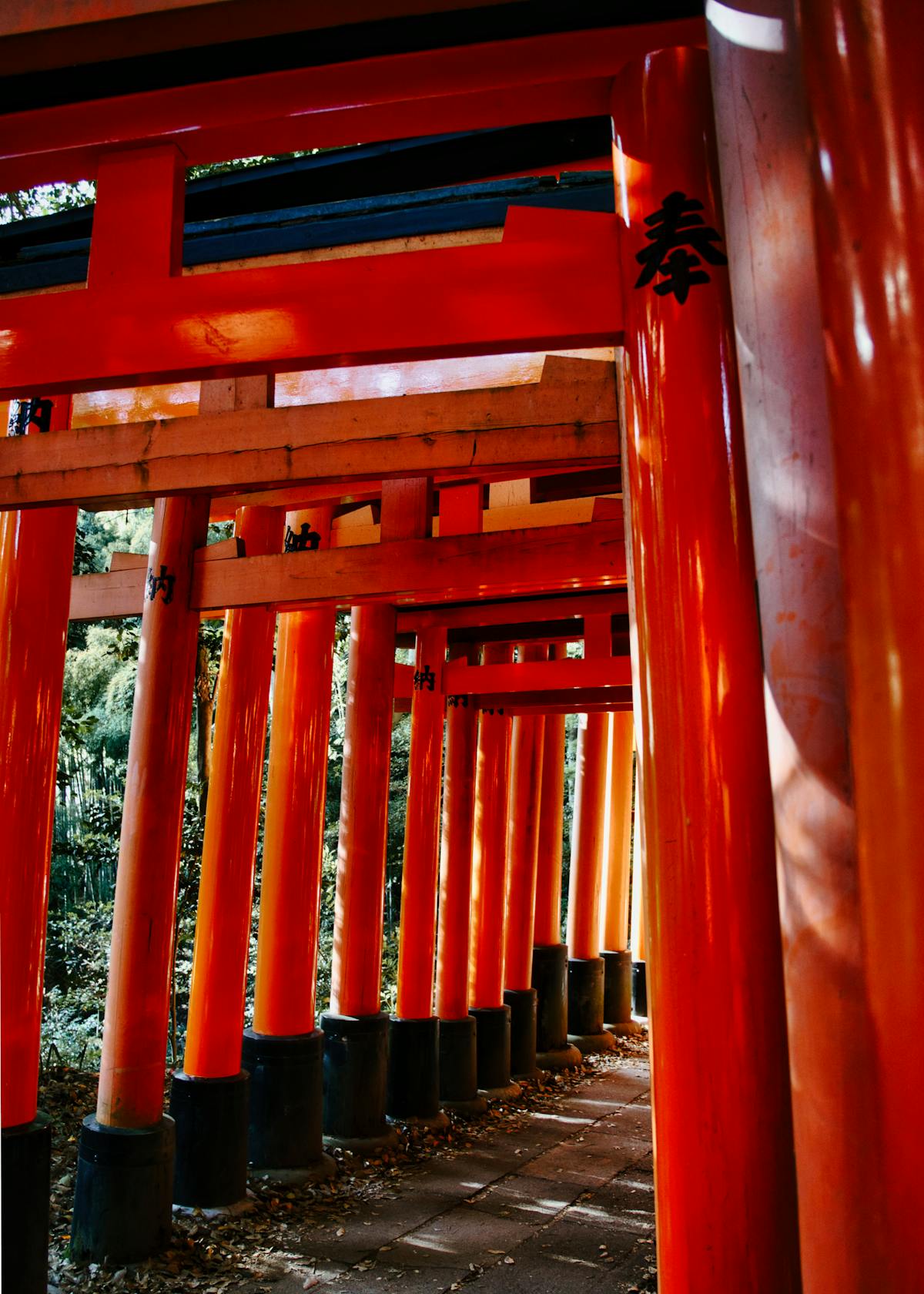
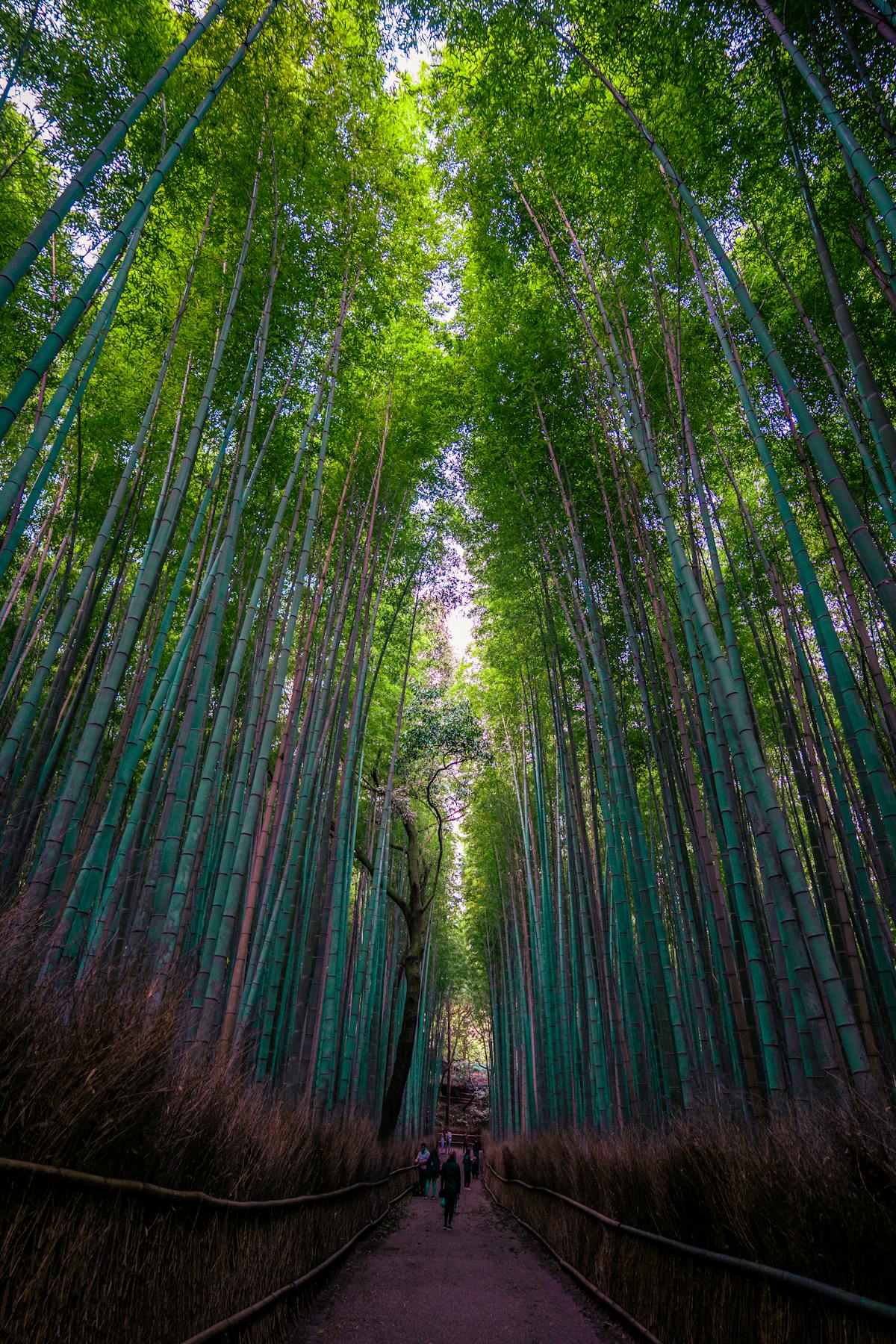
What to see: First-timers should prioritize Fushimi Inari Shrine with its mesmerizing tunnel of thousands of vermillion torii gates, the Kinkaku-ji (Golden Pavilion) glittering over its mirror pond, and the Arashiyama Bamboo Grove — a towering corridor of green that feels like stepping into another world. If time allows, wander through Gion, Kyoto’s traditional geisha district, where you might spot a geiko or maiko hurrying between engagements along the atmospheric stone-paved Hanamikoji Street.
Time needed: A full day (8–10 hours) to see the highlights, though even a half-day trip is worthwhile if you focus on one area. Kyoto’s attractions are spread across the city, so pick either eastern Kyoto (Fushimi Inari, Kiyomizu-dera, Gion) or western Kyoto (Arashiyama, Kinkaku-ji) rather than trying to cover everything in one trip. Many travelers take two separate day trips from Osaka to explore both sides.
Insider tip: Arrive at Fushimi Inari by 7 AM (it’s open 24/7 and free) to experience the torii gate trail with virtually no crowds — by 10 AM, the lower sections become extremely busy. For the best photos, continue past the first viewpoint where most tourists turn back.
2. Nara: Ancient Temples & Friendly Deer (35–50 Minutes)
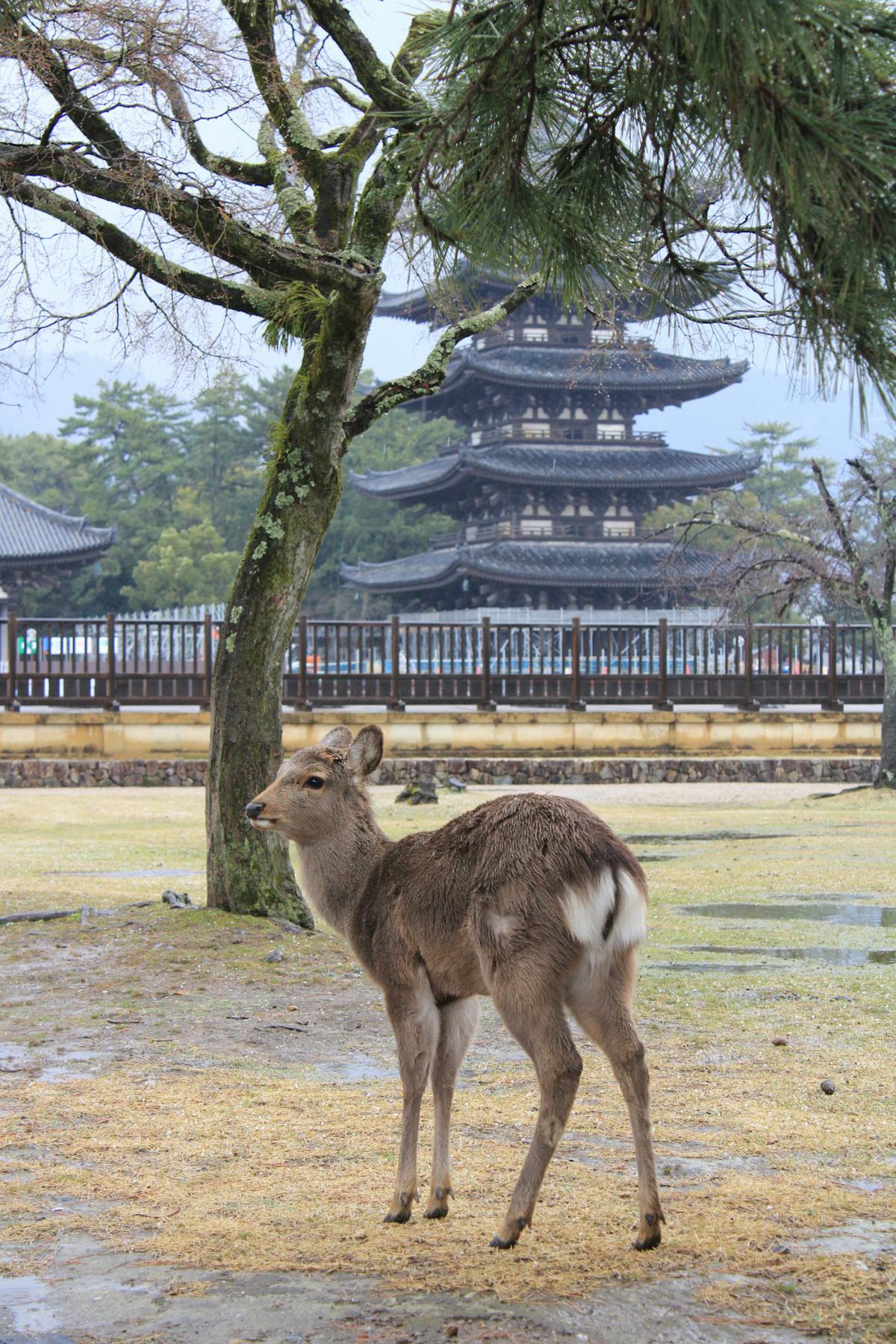
Nara served as Japan’s first permanent capital (710–784 AD) and remains home to some of the country’s oldest and most impressive Buddhist monuments. But what makes this day trip from Osaka truly unique is the population of over 1,200 sika deer that roam freely through Nara Park, bowing politely for the special deer crackers (shika senbei, ¥200) sold throughout the area. These deer are considered divine messengers in the Shinto tradition and have been protected for centuries.
How to get there: The Kintetsu Railway from Osaka-Namba to Kintetsu Nara Station is the fastest and most convenient option — 38 minutes on the limited express (¥680) or about 45 minutes on the rapid (¥580). The Kintetsu Nara Station is closer to the main attractions than JR Nara Station. Alternatively, the JR Yamatoji Rapid from JR Namba or Tennoji to JR Nara takes 45–50 minutes (¥480, covered by Japan Rail Pass).
What to see: The star attraction is Todai-ji Temple, housing the Daibutsu — a 15-meter bronze Buddha that is the largest in Japan. The wooden hall containing it, the Great Buddha Hall, is one of the world’s largest wooden structures. Nearby, Kasuga Taisha shrine features thousands of stone and bronze lanterns along its atmospheric approach through ancient forest. The Kofuku-ji five-story pagoda dominates the Nara skyline and is one of Japan’s tallest. For a peaceful end to the day, walk to Isuien Garden, a beautifully designed Meiji-era landscape garden with views of the surrounding temples.
Time needed: Half a day (4–6 hours) is sufficient to cover the main sights. Nara’s compact layout means all major attractions are within walking distance of each other in and around Nara Park. This makes Nara an ideal morning or afternoon day trip from Osaka, and some travelers combine it with a visit to Fushimi Inari (which is on the Kintetsu line between Osaka and Nara).
3. Kobe: Gourmet Port City (20–30 Minutes)
Kobe is one of the most underrated day trips from Osaka — a cosmopolitan port city that packs world-class beef, mountain scenery, a charming historic foreign quarter, and Japan’s most atmospheric Chinatown into a compact, walkable area. Squeezed between the sea and the Rokko Mountains, Kobe has a dramatically different feel from Osaka, with a sophisticated international character shaped by over 150 years as one of Japan’s first ports open to foreign trade.
How to get there: The JR Special Rapid from JR Osaka Station to JR Sannomiya Station (Kobe’s center) takes just 21 minutes and costs ¥420 — one of the best-value day trips from Osaka. The Hankyu Railway from Umeda to Kobe-Sannomiya takes 27 minutes for ¥330. The Shinkansen connects Shin-Osaka to Shin-Kobe in 13 minutes but Shin-Kobe Station is less central.
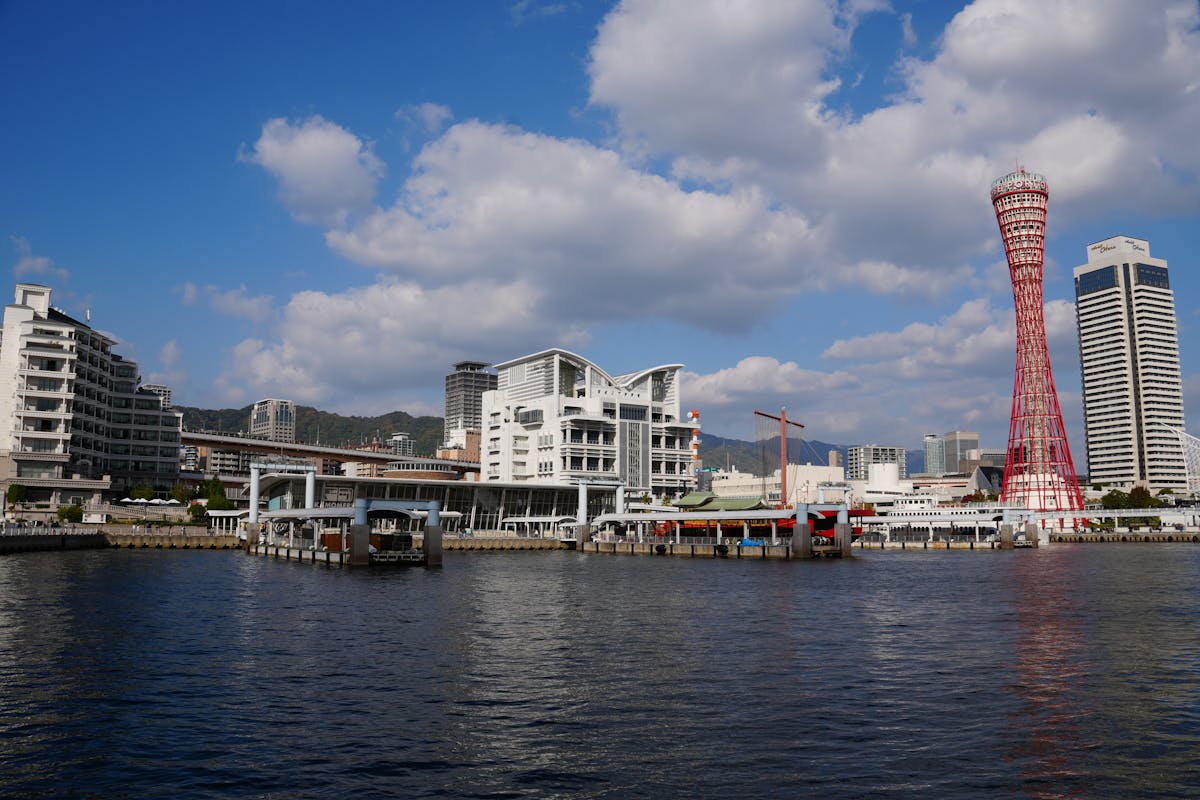
What to see: Start at the Kitano Ijinkan (Foreigner’s Quarter), a hillside neighborhood of beautifully preserved Western-style mansions built by European and American merchants in the late 1800s. From Kitano, it’s a short walk to the Nunobiki Herb Garden, accessible via ropeway, offering stunning views over the city and harbor. Downtown, explore Nankinmachi (Kobe Chinatown), one of Japan’s three major Chinatowns, then stroll along Kobe Harborland for waterfront shopping and dining. The iconic red Kobe Port Tower and Meriken Park area are photogenic at any time of day.
Food highlight: Kobe is synonymous with Kobe beef — the world-famous marbled wagyu that melts on your tongue. While premium Kobe beef restaurants can be expensive (¥8,000–15,000+ per person for lunch sets), there are more affordable options: several teppanyaki restaurants near Sannomiya offer Kobe beef lunch courses starting around ¥3,000–5,000. Pair your meal with locally brewed Nada sake — the Rokko Mountain water gives it a distinct, crisp character.
Time needed: A full day (6–8 hours) allows you to explore comfortably. If short on time, focus on the Kitano area, Chinatown, and a Kobe beef lunch for a satisfying half-day visit.
4. Himeji Castle: Japan’s Greatest Fortress (60–90 Minutes)
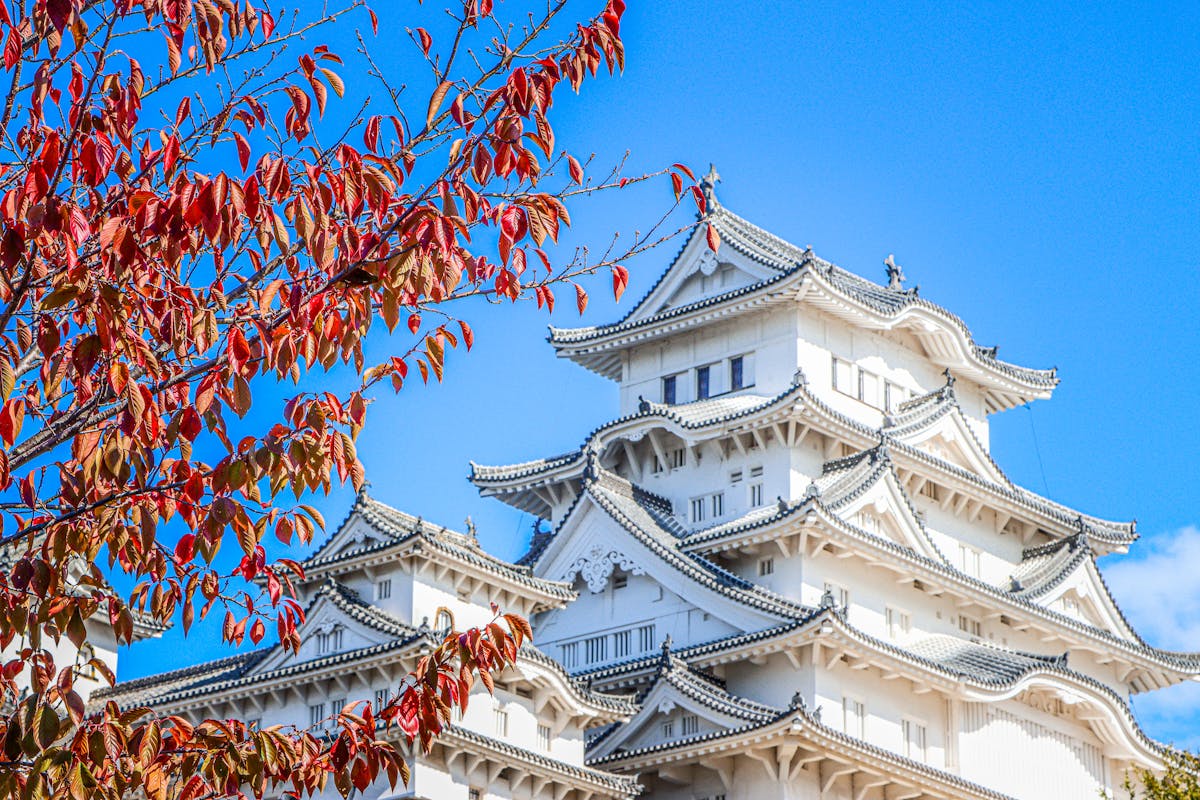
If you see only one castle in Japan, make it Himeji. This UNESCO World Heritage Site is widely considered the finest surviving example of Japanese castle architecture — a soaring white five-story keep that earned the nickname “White Heron Castle” for its elegant, bird-like silhouette. Unlike most Japanese castles that were destroyed and rebuilt in concrete, Himeji Castle is an original structure dating to 1609, making it a genuine treasure and one of the most rewarding day trips from Osaka.
How to get there: The JR Shinkansen (Hikari or Kodama) from Shin-Osaka to Himeji takes 30–40 minutes (¥3,280, covered by Japan Rail Pass). The more affordable JR Special Rapid from JR Osaka Station to JR Himeji takes about 60 minutes (¥1,520). Himeji Castle is a scenic 15-minute walk straight north from JR Himeji Station along a wide boulevard — you can see the castle from the station exit.
What to see: The castle complex takes 1.5–2 hours to explore thoroughly. Climb through the interior to the sixth floor for panoramic views, navigating the ingenious defensive features — hidden chambers, narrow staircases, and openings designed for dropping stones on attackers. The adjacent Koko-en Garden, a beautifully reconstructed Edo-period garden complex with nine distinct sections, makes a perfect complement (combo ticket ¥1,050 for both castle and garden). Cherry blossom season (late March–early April) is particularly spectacular, when over 1,000 trees create a pink canopy around the white castle walls.
Time needed: Half a day (3–5 hours) including travel. The castle and garden together take about 2–3 hours. Some travelers combine Himeji with Kobe on the return journey, as Kobe is on the train line between Himeji and Osaka.
5. Mount Koya (Koyasan): Sacred Mountain Temple Town (90–120 Minutes)
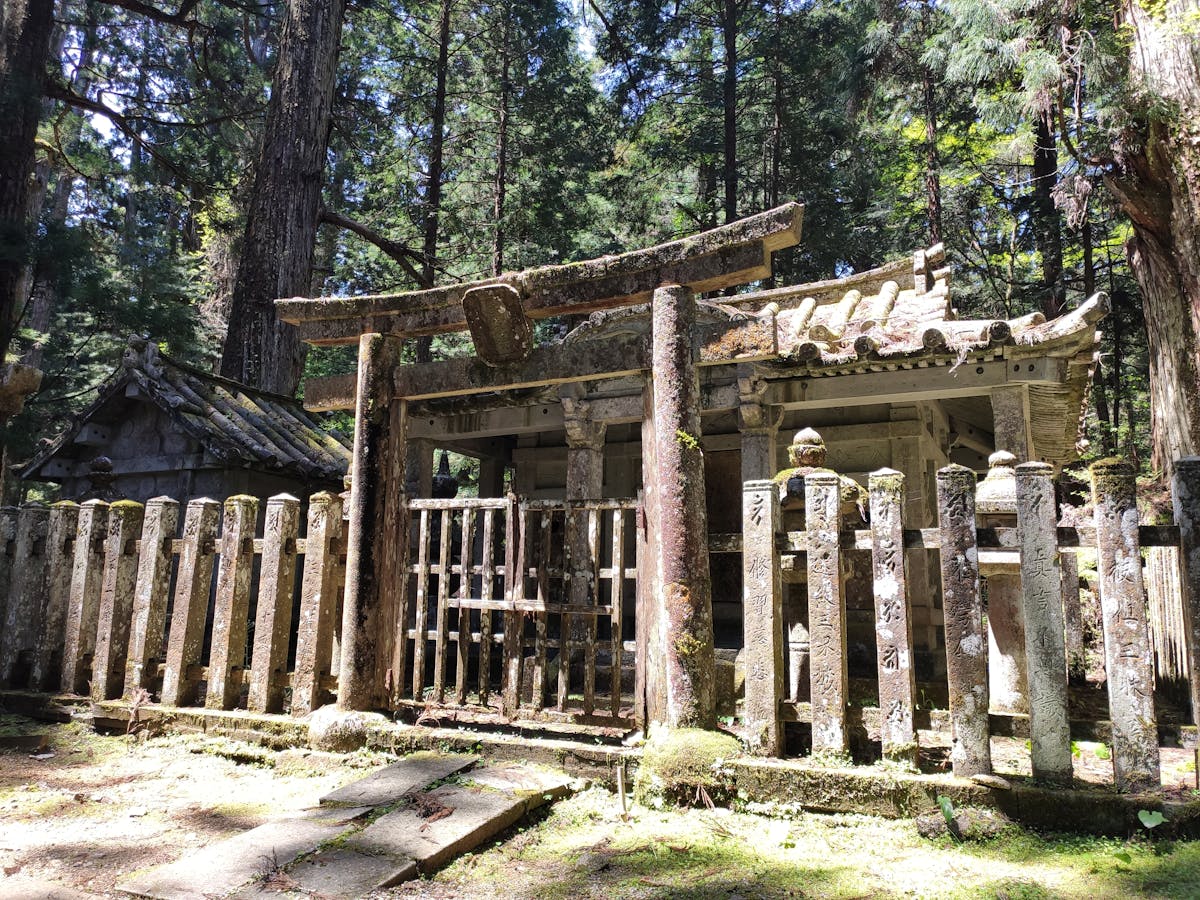
Mount Koya (Koyasan) is one of the most spiritually significant sites in Japan and arguably the most atmospheric day trip from Osaka. This mountain-top temple settlement, founded in 816 AD by the monk Kukai (Kobo Daishi), serves as the headquarters of Shingon Buddhism and is home to over 100 temples, ancient cedar forests, and one of the country’s most extraordinary cemeteries. The journey itself — by train, cable car, and mountain bus — is part of the experience.
How to get there: Take the Nankai Railway from Namba Station. The Limited Express Koya runs directly to Gokurakubashi (80 minutes, ¥1,880) — the most comfortable option with reserved seats. Alternatively, express trains take about 100 minutes (¥930) with a transfer at Hashimoto. At Gokurakubashi, transfer to the cable car (5 minutes, ¥500) up the mountain, then a bus (10 minutes, ¥460) into the town center. The Koyasan World Heritage Ticket (¥3,400 from Namba) bundles round-trip train, cable car, and unlimited bus rides — excellent value for a day trip from Osaka.
What to see: The unmissable highlight is Okunoin, a 2-kilometer forest path lined with over 200,000 moss-covered gravestones, stone lanterns, and towering centuries-old cedar trees leading to the mausoleum of Kobo Daishi. Walking this path is one of Japan’s most moving experiences. In the town center, visit Kongobu-ji, the head temple of Shingon Buddhism with Japan’s largest rock garden, and Danjo Garan, a complex of halls and pagodas that forms the sacred core of Koyasan. For lunch, try shojin ryori — traditional Buddhist vegetarian cuisine featuring seasonal tofu, mountain vegetables, and beautifully arranged dishes served at many temple restaurants.
Time needed: A full day (8–10 hours including travel). Start early — the first Limited Express departs Namba around 7:45 AM. While Koyasan works as a day trip from Osaka, spending a night in a temple lodging (shukubo) is an extraordinary experience that includes vegetarian dinner, Buddhist morning prayers, and a pre-dawn fire ceremony. Roughly 50 temples offer accommodation, with prices typically ¥12,000–20,000 per person including meals.
6. Hiroshima & Miyajima Island (90–100 Minutes)
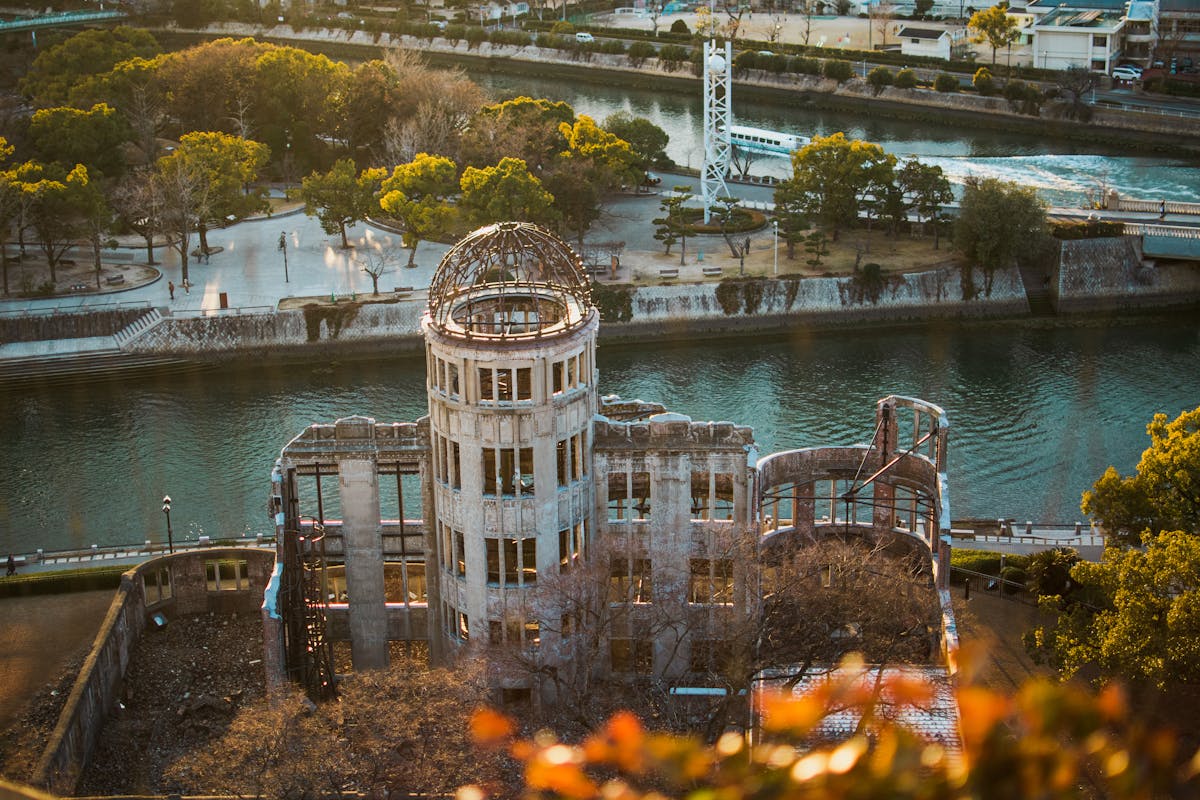
The longest day trip from Osaka on this list, Hiroshima is also one of the most profoundly moving. The city’s transformation from the site of the world’s first atomic bombing to a vibrant, forward-looking city dedicated to peace is deeply inspiring. Paired with nearby Miyajima Island and its floating torii gate, this makes for one of Japan’s most impactful travel experiences and an ambitious but achievable day trip from Osaka.
How to get there: The Shinkansen from Shin-Osaka to Hiroshima takes 90–100 minutes on the Nozomi (¥10,640, not covered by Japan Rail Pass) or about 100 minutes on the Sakura/Hikari (covered by JR Pass). This is a day trip from Osaka where the Japan Rail Pass truly pays for itself — the round-trip fare alone nearly covers the cost of a 1-day pass.
What to see: In Hiroshima, the Peace Memorial Park and Peace Memorial Museum (rebuilt and expanded) are essential — allow at least 2 hours. The skeletal Atomic Bomb Dome, preserved exactly as it stood after the blast, is a haunting UNESCO World Heritage Site. From Hiroshima, take the JR Sanyo Line to Miyajimaguchi (25 minutes) and a short ferry (10 minutes, free with JR Pass) to Miyajima Island. The island’s iconic Itsukushima Shrine with its vermilion torii gate appearing to float on the water at high tide is one of Japan’s most photographed sights. Roam the island’s charming shopping street, sample momiji manju (maple leaf cakes), and visit the friendly deer.
Time needed: A very full day (12–14 hours door-to-door). Depart Osaka by 7–8 AM and you can cover both Hiroshima and Miyajima, returning by late evening. To make it less rushed, some travelers stop at Himeji on the way back, breaking the journey. Alternatively, consider an overnight stay in Hiroshima to experience the city at a more relaxed pace.
7. Minoo Park: Osaka’s Closest Nature Escape (30 Minutes)
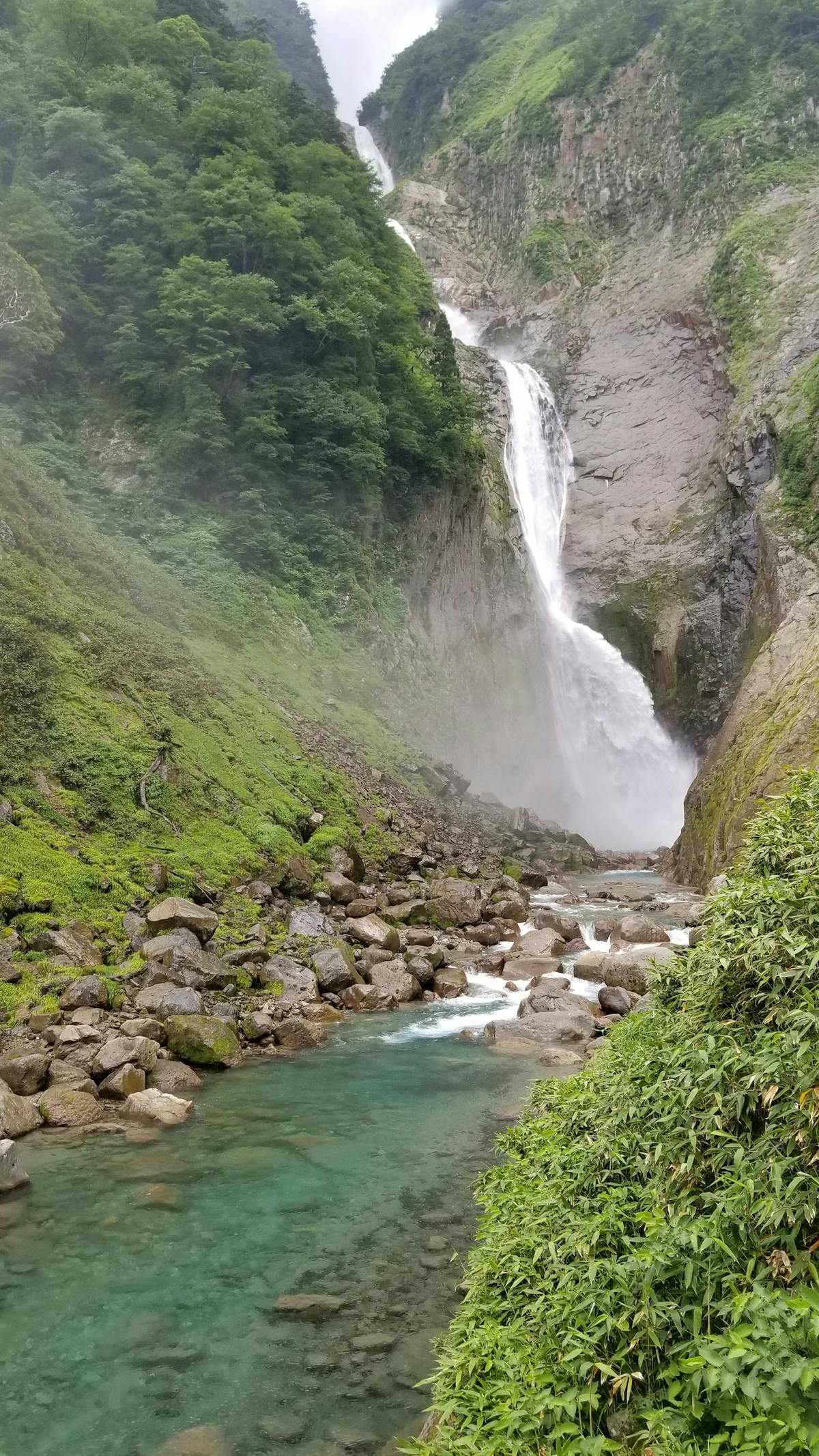
When you need a break from the urban intensity, Minoo Park (also spelled Minoh) delivers a refreshing nature experience just 30 minutes from central Osaka. This forested valley on the city’s northern outskirts is the closest natural recreation area to the metropolis — Osaka’s answer to Tokyo’s Mount Takao — with a gentle riverside trail leading to a beautiful 33-meter waterfall.
How to get there: From Hankyu Umeda Station, take the Takarazuka Line to Ishibashi-Handaimae Station (15 minutes), then transfer to the Minoo Line to Minoo Station (5 minutes). The entire trip takes about 25 minutes and costs ¥280. The trailhead is a short walk from the station.
What to see: The main trail follows the Minoo River for approximately 3 kilometers through a lush valley to Minoo Falls. The paved path has no dramatic elevation changes, making it accessible for all fitness levels — allow about 45 minutes each way. Along the route you’ll pass the Ryuan-ji Temple and the charming Minoo Insect Museum. During autumn (mid-November), the park is one of Kansai’s best spots for fall foliage, and vendors along the path sell a unique local snack: momiji tempura — real maple leaves deep-fried in a sweet batter.
Time needed: Half a day (2–4 hours) is perfect. This is the ideal day trip from Osaka for a relaxed morning or afternoon when you want fresh air and natural beauty without a lengthy train journey. Combine it with exploring the Umeda area (see our Osaka Neighborhoods Guide) afterward.
8. Sakai: Historic Craftsmanship & Ancient Tombs (20 Minutes)
Sakai is one of the most overlooked day trips from Osaka despite being just 20 minutes south by train. This historic port city was Japan’s wealthiest merchant town in the medieval era, and today it’s famous for producing the finest kitchen knives in the world — the same blades used by top chefs across Japan and internationally.
How to get there: The Nankai Railway from Namba to Sakai Station takes about 15 minutes (¥310). The JR Hanwa Line from Tennoji to Sakai-shi takes about 15 minutes as well.
What to see: Visit the Sakai Traditional Crafts Museum to learn about the city’s 600-year knife-making tradition and watch artisan demonstrations. Several workshops along the Sakai Knife Museum Street allow you to purchase directly from makers. The city is also home to the Daisen Kofun, the largest keyhole-shaped burial mound in Japan (and by area, one of the largest tombs in the world), built in the 5th century for Emperor Nintoku — now a UNESCO World Heritage Site. For tea lovers, Sakai was instrumental in developing the Japanese tea ceremony; visit Nanshu-ji Temple, associated with tea master Sen no Rikyu, who was born in Sakai.
Time needed: Half a day (3–4 hours). Sakai pairs naturally with a visit to the Tennoji area of Osaka on the same day.
Day Trip Planning: Rail Passes & Money-Saving Tips
Choosing the right rail pass can significantly reduce the cost of day trips from Osaka. Here are the most useful options for Kansai-based travelers:
The JR Kansai Area Pass (1-day ¥2,800, 2-day ¥4,800, 3-day ¥5,800, 4-day ¥7,000) covers unlimited travel on JR local and rapid trains throughout the Kansai region — including Kyoto, Nara, Kobe, Himeji, and Wakayama — plus the Haruka Airport Express. It doesn’t cover Shinkansen, but JR Special Rapid trains reach most destinations almost as quickly. This pass is excellent value if you’re taking 2–3 day trips from Osaka.
The JR Kansai Wide Area Pass (5-day ¥12,000) adds Shinkansen access on the Sanyo line, making it the smart choice if your day trips from Osaka include Himeji, Hiroshima, or Okayama. The Kansai Thru Pass (2-day ¥4,480, 3-day ¥5,600) covers non-JR railways including Nankai (for Koyasan and Kansai Airport), Kintetsu (for Nara), and Hankyu/Hanshin (for Kyoto and Kobe) — ideal if you’re skipping JR lines entirely.
For single-destination trips, individual tickets are often more cost-effective. An ICOCA card (rechargeable IC card) works on all rail lines and eliminates the need to buy individual tickets at machines each time. Buy one at any JR station for a ¥500 refundable deposit plus your chosen balance.
Day Trips from Osaka: Quick-Reference Comparison
| Destination | Travel Time | Round-Trip Cost | Best For | Time Needed |
|---|---|---|---|---|
| Kyoto | 15–29 min | ¥820–2,900 | Temples, culture, geisha | Full day |
| Nara | 35–50 min | ¥960–1,360 | Deer, ancient temples | Half day |
| Kobe | 20–27 min | ¥660–840 | Beef, port city, views | Half–full day |
| Himeji | 30–60 min | ¥3,040–6,560 | Japan’s greatest castle | Half day |
| Mount Koya | 80–100 min | ¥1,860–3,760 | Temples, cemetery, forest | Full day |
| Hiroshima | 90–100 min | ¥10,000–21,280 | Peace memorial, Miyajima | Very full day |
| Minoo Park | 25 min | ¥560 | Waterfall hike, nature | 2–4 hours |
| Sakai | 15–20 min | ¥620 | Knives, ancient tombs | Half day |
How to Choose Your Day Trips from Osaka
If you only have time for one day trip from Osaka, Kyoto is the overwhelming recommendation — the sheer density of world-class cultural sites is unmatched. For a second day trip, Nara offers a completely different experience with a uniquely interactive element (the deer), and it’s compact enough to combine with an afternoon exploring another area.
Kobe is perfect if you’re a food lover or want a more relaxed, less temple-focused outing. Himeji is essential for history and architecture enthusiasts — seeing the real, original castle up close is genuinely awe-inspiring. Mount Koya rewards those seeking something deeper and more spiritual, while Hiroshima is a must for anyone wanting to understand Japan’s modern history.
For travelers with 5–7 days in Osaka (see our Osaka Travel Guide for planning help), a solid approach is to dedicate 2–3 days to exploring Osaka’s neighborhoods, food scene, and attractions, then use the remaining days for day trips. Kyoto and Nara pair well on consecutive days (or even the same day if you start very early), Kobe makes an easy addition to any itinerary, and Himeji or Mount Koya round out a week perfectly.
However you structure your time, Osaka’s position at the heart of the Kansai region ensures that each day trip from Osaka delivers a distinct, memorable experience — from misty mountain temples to glittering golden pavilions, from ancient deer parks to waterfront port cities. The hardest part isn’t finding something amazing to do; it’s choosing which incredible destination to visit first.