This article contains advertising. Our booking links are routed through a partner that adds commission tracking automatically, so if you book through one we earn a commission from the provider, at no extra cost to you. It never affects what we recommend. Affiliate disclosure
Osaka hidden cafes are the city’s quiet superpower. Unlike Tokyo’s massive specialty coffee scene (Blue Bottle, % Arabica) or Kyoto’s tourist-priced kissaten, Osaka has built a slow-burn third-wave coffee culture in residential and back-street locations – in-house roasters, 5-seat counters, no signage, cash only. This 2026 guide profiles 15 hidden cafes across the city, spanning two distinct categories: contemporary third-wave specialty coffee (pour-over, single-origin, hand-roasted) and traditional kissaten (preserved 1960s-80s Japanese cafes with old jazz, retro decor, and Showa-era menus). Build a 2-3 cafe tour into any Osaka day for one of the most rewarding cultural experiences available.

Third-Wave Specialty Coffee Cafes
Mel Coffee Roasters (Shinmachi)
Melbourne-inspired roaster with vintage 5kg Probat in-house. Single-origin pour-over JPY 650-900; latte JPY 550. 8-seat counter. Take-home beans (200g JPY 1,500-2,500). Open 11:00-19:00, closed Tuesdays.
- Access: 8-min walk from Shinsaibashi Station
- Best order: Honduras single-origin pour-over with their flat white as a follow-up
- Cash + card accepted
Mill Pour Coffee (Shinsaibashi)
Third-wave specialty shop operating since 2010 – one of the older modern specialty cafes in Osaka. LaMarzocco espresso machine; light roasts focus. Pour-over JPY 600-800. 6-seat counter + 4 table seats.
- Access: 5-min walk from Shinsaibashi Station
- Best order: Single-origin Ethiopian Yirgacheffe
- Open: 10:00-19:00 daily
Glitch Coffee (Nakanoshima Conrad)
Tokyo’s most-praised specialty roaster opened an Osaka outpost on the ground floor of the Conrad Hotel. Premium pricing (pour-over JPY 800-1,200) but consultation-style service where baristas walk you through tasting notes. Best for visitors who already know third-wave coffee culture.
Aoma Coffee
15-min walk from Shinsaibashi. No exterior signage – find via Google Maps and the wooden door. Probat P5 roaster in the window. 5-seat counter. Cash only.
Yatt (Nakazakicho)
Tiny Nakazakicho cafe with hand-roasted beans and pour-over service. JPY 600-800 per cup. 5 seats. Cash only. Closed Wednesdays.
Lilo Coffee Roasters (Amerikamura)
Australian-owned specialty roaster in Amerikamura. Pour-over JPY 600-900; latte JPY 550. The most foreigner-friendly of the third-wave shops (English menus and staff). Open 11:00-20:00.
Streamer Coffee Company (Horie)
Tokyo-based latte-art champion roaster with an Osaka location in Horie. Famous for “military latte” (matcha + espresso). JPY 550-800.
Traditional Kissaten (Showa-Era Cafes)
Marufuku Coffee (Sennichimae)
One of Osaka’s most photographed kissaten. Operates since 1934. Vintage wooden interior, vinyl jazz, hand-drip coffee in vintage Royal Copenhagen cups JPY 600. Famous for their “morning set” (coffee + toast + boiled egg) JPY 700, served until 11:00.
Drogo (Namba)
Tiny 1970s kissaten with leather banquettes and dim lighting. Coffee JPY 550; old-fashioned cream soda JPY 650. Limited menu but the atmosphere is the draw.
Hoshikoroshi (Tenma)
Hidden 1968-era kissaten near Tenma Station. Dark wood interior, retro lighting, slow service. Coffee JPY 500; the morning set JPY 600 is one of the cheapest in the city.
Cafe de Lyon (Nakatsu)
European-styled kissaten with Belgian waffles and Belgian beer. JPY 800-1,200 for coffee + dessert. Open since 1985.
Inoda Coffee (Multiple Locations)
Kyoto-based 1940 kissaten with several Osaka locations including Hankyu Umeda. Famous for “Arabian Pearl” coffee blend JPY 800. Premium but reliably high-quality.
Neighborhood Cafes by District
Tenma
Working-class neighborhood with several hidden third-wave coffee shops and old kissaten. Walking from Tenma Station along Tenjinbashi-suji shopping arcade you’ll pass 4-5 indie cafes within 10 minutes.
Nakanoshima
Cultural quarter with riverside cafes attached to museums (Nakanoshima Museum of Art has a cafe with city views) and the Conrad Glitch Coffee location.
Nakazakicho
30+ indie cafes in machiya buildings. See our Nakazakicho guide for the full walking route.
Horie
Modern minimalist neighborhood with architectural cafes and Streamer Coffee. Polished aesthetic; slightly higher prices than other districts.
Amerikamura
Youth fashion district with Lilo and several themed cafes. Loud and busy.
Kissaten vs. Third-Wave Coffee Explained
Kissaten
- Japanese traditional cafe, peaked 1960s-1980s
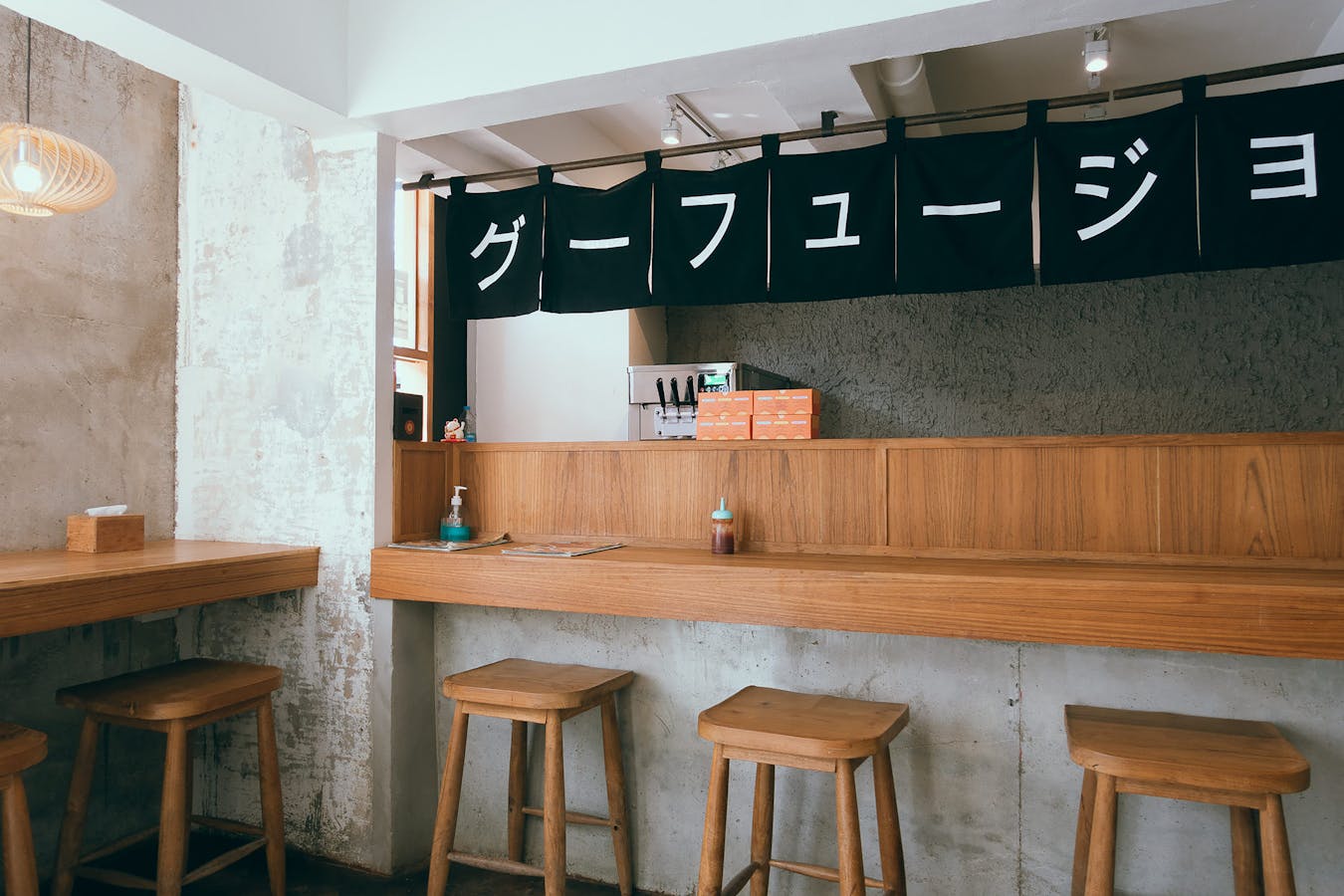
- Dark interior, leather banquettes, vintage jazz on vinyl
- Coffee served siphon-style or with traditional drip
- Often serves food (toast, sandwiches, curry rice, hot dog)
- JPY 500-800 per coffee; JPY 700-1,200 morning sets
- Slow service; conversation-focused
- Cash only or basic card; no laptops welcome
Third-Wave Specialty Coffee
- Originated in Australia/Pacific Northwest, arrived Japan circa 2008
- Bright, minimalist interior; exposed roasting equipment
- Single-origin beans, light roasts, pour-over and espresso
- Limited food (maybe pastries)
- JPY 600-1,200 per coffee; JPY 1,500-2,500 with take-home beans
- Cash + card accepted at most
- Quick service but tasting-focused; laptops generally not welcomed
Etiquette at Hidden Cafes
- Reservations not standard but 5-12 seat shops can fill – arrive 11:00 or 14:00 for quietest times
- Order before sitting at small counter-style cafes
- Quiet conversation – many shops have music for atmosphere
- Photography: Ask before photographing baristas; coffee shots universally welcome
- Laptops discouraged at most specialty cafes; some kissaten don’t allow them at all
- Wi-Fi often available but ask for password
- Tipping not customary – leaving small change appreciated but not expected
- One-drink-minimum if you’re staying more than 30 minutes
- Cash + small bills recommended at older shops
Best 4-Cafe Walking Tour
- 09:00: Start at Marufuku Coffee Sennichimae (morning set JPY 700)
- 10:30: Walk to Mill Pour Coffee Shinsaibashi (single-origin pour-over)
- 12:00: Lunch break (depachika or chain)
- 13:30: Mel Coffee Roasters Shinmachi (flat white + take-home beans)
- 15:30: Lilo Coffee Roasters Amerikamura (latte + space to rest)
- Total spend on coffee: ~JPY 3,000-3,500 for 4 cups
What to Order
At Specialty Cafes
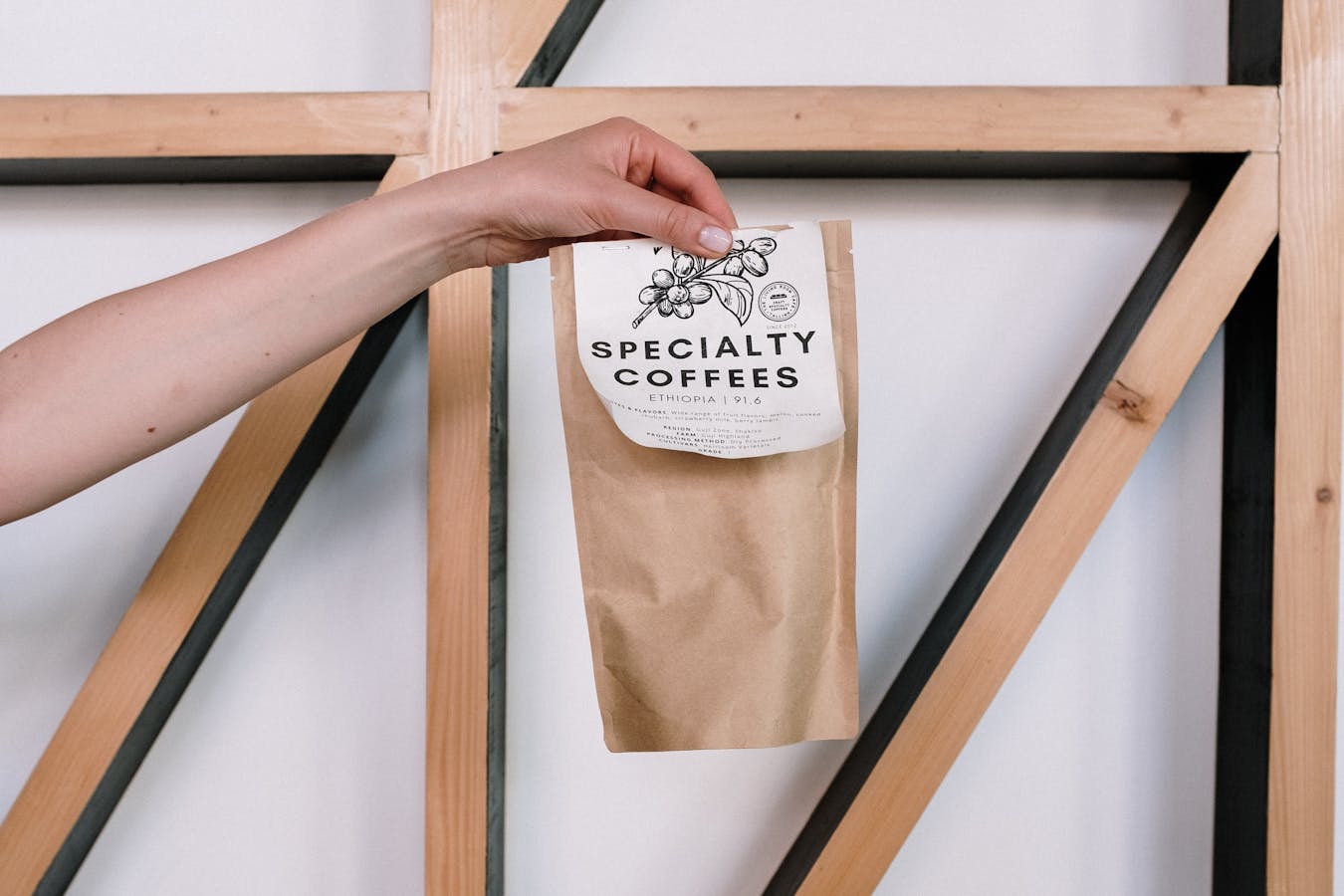
Ask for the “single origin pour-over of the day” or “ice drip” in summer. The barista will recommend based on current beans. Flat white is the standard milk drink. Take-home beans 200g JPY 1,500-2,500 make excellent souvenirs.
At Kissaten
Order “blend” (kissaten signature) or “morning set” (until 11:00 – coffee + toast + boiled egg, JPY 600-800). For dessert, “cream soda” (melon soda with vanilla ice cream) is the classic Showa-era treat.
Take-Home Beans (Best Souvenirs)
- Mel Coffee Roasters: 200g JPY 1,800-2,500 with brewing instructions
- Lilo Coffee Roasters: 200g JPY 1,500-2,200
- Mill Pour Coffee: 200g JPY 1,800
- Tip: Ask for “ground for [your brewing method]” – barista will grind appropriately
- Customs: No restrictions on bringing roasted beans into most countries
Best Time to Visit Hidden Cafes
- Weekday mornings (09:30-11:00): Calmest; baristas have time for conversation
- Weekday afternoons (14:00-16:00): Comfortable; popular shops fill 11:00-14:00
- Weekend mornings: Top shops can have 15-30 min waits
- Late afternoon (17:00-19:00): Quieter; some shops close at 19:00
- Avoid: Tuesday-Wednesday for some shops (common closing days)
Practical Tips
- Cash essential: Many small cafes are cash-only; bring JPY 3,000-5,000
- Limited seating: Most shops are 5-12 seats; arrive at off-peak times
- Strict shop hours: Check Google Maps before traveling; many close one day per week
- English-friendliness varies: Younger specialty shops good; older kissaten may be Japanese-only
- Order in advance: Pour-over takes 5-10 minutes to brew – don’t expect drive-through speed
- Slow conversation expected: These are not coworking spaces; phone conversations should be brief
- Tip on the menu: Look for “blend” (house) and “single origin” labels
Final Word: Osaka Hidden Cafes
Osaka hidden cafes reward visitors who treat coffee as a slow cultural experience rather than caffeine fuel. The third-wave shops produce specialty coffee that holds up against anywhere at half the price of equivalent Tokyo or Sydney shops; the Showa-era kissaten preserve a Japanese cafe culture that is rapidly disappearing nationwide. Build 2-3 cafe stops into any Osaka day – across different neighborhoods if possible – and you’ll experience one of the city’s most distinctive and rewarding hidden gems.