This article contains advertising. Our booking links are routed through a partner that adds commission tracking automatically, so if you book through one we earn a commission from the provider, at no extra cost to you. It never affects what we recommend. Affiliate disclosure
Minoo Park Osaka (you’ll also see it written Minoh) is the easiest piece of real nature you can reach from the city — half an hour on the train and you’re walking a forested river valley instead of dodging crowds in Namba. The payoff at the end of the trail is a 33-metre waterfall, the only entry from Osaka Prefecture on Japan’s list of 100 notable waterfalls. The walk to it is paved, gentle, lined with little cafes and snack stalls, and in November the whole valley turns a fierce red as the maples change. There’s also a local oddity you should try: momiji tempura, actual maple leaves battered and deep-fried.
This guide covers the walk itself, the waterfall, when to come (autumn is the headline act, but it’s not the only good answer), what to eat, and exactly how to get to Minoo from central Osaka in about half an hour. It’s the city’s best half-day escape when you need trees and moving water without committing to a full day of travel.

The quick version
- Where it is: a wooded valley just north of central Osaka.
- From Umeda: about 30 minutes by train.
- The walk: roughly 2.7 km one way, mostly flat with a gentle rise.
- Waterfall: 33 metres.
- Time you need: 3 to 4 hours, round trip with stops.
- Cost: free to enter; figure ¥600–¥800 for snacks.
- Best season: mid-November for the autumn colour.
Getting to Minoo from Osaka
It’s a Hankyu trip, start to finish, and it’s cheap. From Hankyu Umeda Station, take the Takarazuka Line to Ishibashi-handai-mae (about 15 minutes), then change to the short Minoo Line branch and ride two stops to Minoo Station (about 5 minutes). Total time is around 30 minutes and the fare is roughly ¥280 each way. From the station, the trailhead is a five-minute walk — you’ll see the souvenir shops and the river, and the path is obvious.
If you’re already carrying an IC card, just tap through; there’s nothing special to buy for this one. It’s one of the lowest-effort day trips in Kansai, which is exactly its appeal.
The walk
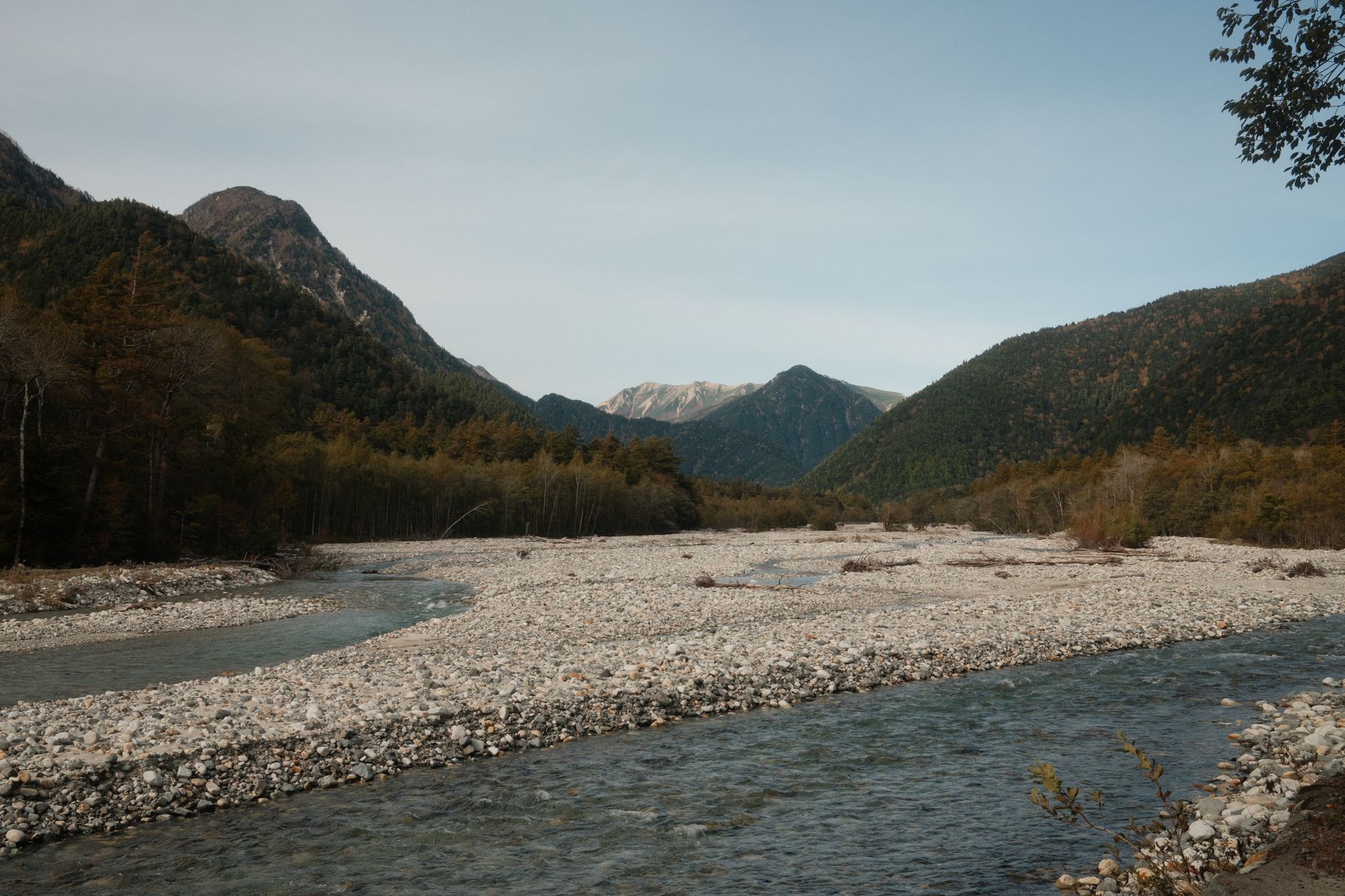
The trail follows the Minoo River upstream from the station to the falls. It’s paved the entire way, so you don’t need hiking boots and you’ll never be scrambling over rocks. Call it 2.7 km one way — about an hour at a relaxed pace, longer if you stop for photos and snacks, which you will.
- Surface: sealed path the whole route, no off-trail sections.
- Difficulty: easy, with a gentle uphill grade that you’ll barely register.
- You’ll pass: Ryuanji, a small temple set above the river, plus several cafes and a run of snack stalls.
- The endpoint: the 33-metre Minoo Falls, with a viewing area at the base.
What surprises most first-timers is how quickly the city falls away. Within ten minutes of the station the noise drops to running water and birdsong, the buildings give way to maples and cedars, and the river starts tumbling over rocks beside you. It doesn’t feel like somewhere a half-hour from one of Japan’s biggest cities. There are benches at intervals if you want to just sit by the water for a while rather than march to the falls. That switch from concrete to forest in half an hour is why the valley turns up in our guide to Osaka away from the tourist trail.
Halfway up, Ryuanji Temple makes a good pause — it clings to the hillside with a view back down the gorge. Keep an eye on the trees and the rocks above the river, too. Wild macaques live in this valley and sometimes wander down to the path. They’re entertaining from a few metres away. Don’t feed them, and keep food zipped inside your bag, because a monkey that associates people with snacks is a monkey that goes through your pockets.
Momiji tempura: the fried maple leaf

The valley’s signature snack is genuinely strange and genuinely good. Vendors take maple leaves — cultivated specifically for this, then cured in salt for months — dip them in a lightly sweetened batter, and deep-fry them into crisp, golden chips. The result tastes like a sweet, thin cracker with the faintest green note. People here have been making it since the early 1900s, and Hisakunikosendo is the best-known name along the path.
- What it is: real maple leaves in sweet batter, deep-fried crisp.
- Where: stalls all along the trail, thickest near the station and the temple.
- Price: ¥400–¥800 a pack.
- Taste: sweet and crunchy with a subtle leafy note — oddly moreish.
- Best supply: autumn, roughly September through December.
Eating and resting on the trail
Momiji tempura gets the headlines, but the valley feeds you properly too. The stretch between the station and Ryuanji is the densest run of shops: grilled rice crackers brushed with soy, soft-serve ice cream in matcha and black sesame, skewers of grilled mochi, and the inevitable hot cans of coffee from the vending machines. None of it is expensive, and grazing your way up is half the fun.
For an actual sit-down, the trailside cafes are the move. Several occupy old stone-floored buildings perched over the river, and a bowl of soba or a pot of matcha with the water rushing below is a fine way to break the climb. Back in Minoo town near the station, you’ll find proper lunch spots when you come back down — soba houses, a few set-meal restaurants, and bakeries. Most travellers eat light snacks on the way up and save a real meal for the bottom.
When to go
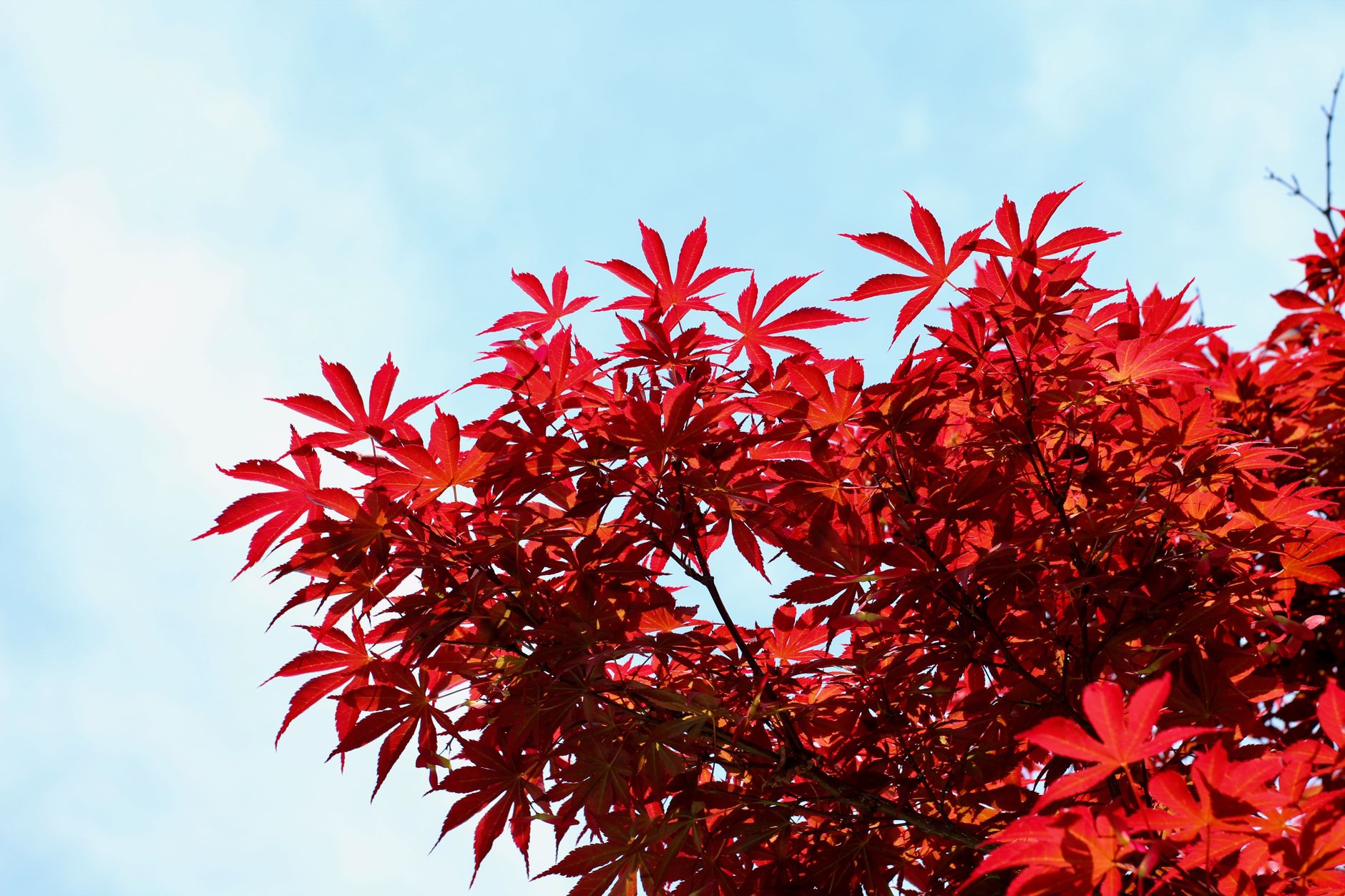
Mid-November is when Minoo earns its reputation. The maples go from green to a saturated red over a couple of weeks and the whole gorge lights up, which is why it lands on every Kansai autumn-colour list. The flip side: weekends in peak season get genuinely packed, with the path nose-to-tail in places. Come on a weekday morning if you possibly can. Mid-November also closes out the best stretch of sightseeing weather in the year, and our rundown of which month suits your trip weighs the maples against cherry blossom and the July festivals.
It’s a fine walk in other seasons, too. Late spring is lush and quiet, with the river running high and almost nobody on the trail. Summer is shaded and cool by the water, though the open stretches catch the sun. Winter is bare but peaceful, and the falls keep flowing.
What else is up there
- Ryuanji Temple — a quick, worthwhile stop on the climb, with a view over the river.
- Trailside cafes — several stone-floored spots serve matcha, soba or a coffee; good for a sit-down halfway.
- Minoo Spa Garden — an onsen near the station if you want a hot soak after the walk, around ¥2,000.
- The Insect Museum — a quirky, kid-friendly detour near the lower trail.
Extending the day: Katsuo-ji and the Daruma dolls
If you want to turn the half-day into a full one, Katsuo-ji sits higher in the same Minoh hills, reachable by bus from the Minoo area (the route changes with the season and weekends, so check the timetable at the station). It’s a temple known for daruma — the round, red, wish-granting dolls — and the grounds are scattered with thousands of them, tucked into every nook, ledge and tree root by visitors who came to make a wish. In autumn the maples around the central pond rival the gorge for colour. It’s a different mood from the waterfall walk: more deliberate, more photogenic in an odd, cluttered way, and worth the bus fare if temples and quirky photo subjects are your thing.
One caveat: Katsuo-ji charges an entry fee and isn’t a quick in-and-out, so only fold it in if you’ve started early. If your priority is the falls and the foliage, the standard valley walk is plenty for one outing.
A half-day plan
- 9:00 — Leave Hankyu Umeda.
- 9:30 — Arrive Minoo Station.
- 9:45 — Start up the trail.
- 10:30 — Reach Ryuanji; coffee or matcha at a cafe.
- 11:00 — Buy a pack of momiji tempura for the climb.
- 11:30 — Arrive at Minoo Falls.
- 12:00 — Photos and a rest at the base.
- 12:30 — Walk back down.
- 13:30 — Lunch in Minoo town — soba or a set meal.
- 14:30 — Train back to the city.
- 15:00 — Back at Umeda.
Practical tips
- Wear comfortable shoes. It’s paved, but you’re covering 5 to 6 km on foot all told.
- Bring water. Vending machines thin out the higher you go.
- Time it for autumn if foliage is the goal — mid-November is the window.
- Dodge autumn weekends. The crowds in peak season are real.
- Pack a little sun cover. Parts of the trail are open and exposed.
- Leave the monkeys alone. Don’t feed them and keep food out of sight.
Getting the shot
The falls face roughly so that morning light is kinder than harsh midday glare, and the spray throws a small rainbow on clear mornings if you catch the angle. For the maples, an overcast day actually helps — flat light saturates the reds without blowing out the highlights you’d fight on a bright afternoon. The classic foliage frame is the red footbridge over the river partway up; it gets a queue of photographers in peak season, so arrive early or be patient. And if you’re shooting the monkeys, use a zoom and keep your distance; chasing them for a closer frame is how people end up with a bag raided.
Minoo Park Osaka: common questions
Is Minoo Park worth visiting?
Yes, especially in autumn for the colour. It’s the simplest nature escape from central Osaka and the trail is friendly to beginners and families.
How long does the Minoo Park walk take?
About an hour one way at a moderate pace; closer to 90 minutes if you stop for snacks and photos along the river.
What is momiji tempura?
Maple leaves dipped in sweet batter and deep-fried until crisp. Sweet, crunchy and surprisingly hard to stop eating. Stalls along the trail sell it for ¥400–¥800 a pack.
When is the best time to visit Minoo?
Mid-November for peak autumn colour — the most photographed moment of the year. Late spring is also lovely and far quieter.
Is the Minoo trail accessible?
The path is paved with a gentle incline, so it’s manageable with a stroller and largely wheelchair-friendly. The final viewing platform at the falls has a few steps.
Are there toilets along the trail?
Yes — public restrooms at the start, near the temple, by the snack stalls, and at the falls.
Are the wild monkeys a problem?
Usually not, if you behave. The macaques mostly keep their distance, but they’ll target visible food and open bags. Don’t feed them, keep snacks zipped away, and you’ll be fine watching them from the path.
Where to go next
Minoo is the gentlest entry on our roundup of day trips from Osaka, and it pairs well with a slower day in the city. If you’ve caught the green-space bug, our guide to Osaka’s parks and gardens points you to more, and since the trail itself costs nothing, it fits right into our list of free things to do in Osaka.