This article contains advertising. Our booking links are routed through a partner that adds commission tracking automatically, so if you book through one we earn a commission from the provider, at no extra cost to you. It never affects what we recommend. Affiliate disclosure
Katsuo-ji Temple is one of Osaka’s most photographed temples, set in the mountains of Minoo north of the city and famous for the thousands of Daruma dolls that cover the temple grounds. Founded in the 8th century and historically known as the “Temple of Victory” – emperors and shoguns once visited before military campaigns – Katsuo-ji is today the most popular Buddhist temple in Japan for purchasing Daruma dolls, the round, weighted, eye-painted figures that represent prayers for the achievement of personal goals. Visitors who fulfill a prayer paint the second eye on their Daruma and return it to the temple, where it joins the thousands already on display. The autumn foliage from mid-November makes Katsuo-ji one of Kansai’s best alternative momiji destinations. This 2026 guide covers history, how to get there, the Daruma ritual, and the best time to visit.

Quick Facts: Katsuo-ji Temple
- Address: 2914-1 Aomatani, Minoo-shi, Osaka 562-8508
- Access: Senri-Chuo Station (Osaka Monorail) + Hankyu Bus (~30 min, JPY 500); or Mino-o Station (Hankyu Takarazuka Line) + taxi (~20 min, JPY 2,500)
- Hours: 08:00-17:00 (Mon-Fri); 08:00-17:30 (Sat); 08:00-18:00 (Sun, holidays)
- Admission: Adult JPY 500; Elementary JPY 400; Under 6 free
- Founded: 727 AD
- Sect: Koyasan Shingon Buddhism
- Famous for: Daruma dolls, autumn foliage, “Temple of Victory” history
- Visit duration: 1.5-2.5 hours including travel time
The Daruma Doll Tradition
Daruma dolls represent Bodhidharma, the legendary founder of Zen Buddhism. The dolls are weighted at the base so that when knocked over, they always right themselves – representing perseverance and the principle of “nanakorobi yaoki” (“fall down seven times, get up eight”). Both eyes are blank when purchased.
The ritual: visitors purchase a Daruma doll (JPY 300-3,000+ depending on size) and paint the left eye while setting a goal or prayer. The doll is taken home and displayed prominently as a reminder of the goal. When the goal is achieved, the visitor paints the right eye, completing the doll, and traditionally returns it to the temple where they purchased it. At Katsuo-ji Temple, these returned Daruma are displayed throughout the temple grounds in their tens of thousands – on rocks, around statues, in mossy alcoves, lined along the stone pathways.
The visual effect is one of the most distinctive in Japanese Buddhism – the rust-red dolls in every possible corner of the temple grounds create a uniquely Katsuo-ji atmosphere.
History of Katsuo-ji
Katsuo-ji was founded in 727 AD by the monk Zenchu, who established a small hermitage on the site. The temple grew significantly when Emperor Kazan visited in the late 10th century to pray for victory in a military conflict and subsequently emerged victorious. The temple was named “Katsuo-ji” – literally “Temple of Victory” – and over the following centuries became a regular pilgrimage destination for warriors and aristocrats seeking blessings before campaigns.
The Daruma tradition began in the Edo period (1600s-1800s) as the temple’s role shifted from military to civilian prayer. Today’s tradition – in which visitors take their Daruma home and return them after fulfilling prayers – has been continuous for several hundred years.
The temple was relatively undamaged in the 1945 firebombing (most bombing was concentrated on central Osaka rather than the Minoo mountains) and retains many original Edo-period structures.
How to Get to Katsuo-ji Temple
By Bus (Most Common)
Take the Osaka Metro Midosuji Line to Senri-Chuo Station (the northern terminus). Exit and find the Hankyu Bus terminal directly outside. Bus #20 or #29 runs to Katsuo-ji approximately every 30-60 minutes. Journey time about 30 minutes; fare JPY 500. The bus drops you at the temple entrance.
Total time from central Osaka (Umeda) to Katsuo-ji: approximately 70-90 minutes including the metro transfer and bus wait.
By Taxi
Hankyu Takarazuka Line to Mino-o Station, then taxi to the temple (~20 minutes, JPY 2,500). Faster than the bus on holiday weekends when bus service is overwhelmed but significantly more expensive.
By Car
The temple has a parking lot – JPY 500 for the day. Limited spaces during autumn foliage season; arrive before 09:00 to secure parking.
What to See at Katsuo-ji
The Main Gate (Sanmon)
Edo-period wooden gate marking the entry. Bow before passing through. Daruma dolls begin appearing along the path immediately past the gate.
The Main Hall (Hondo)
Houses the principal Buddha statues. Light incense, place hands in gassho, bow, pray silently (no clapping – Buddhist temple).
The Daruma Pavilion
The dedicated structure for purchasing new Daruma dolls and returning fulfilled ones. Daruma in sizes from miniature (5cm, JPY 300) to extra-large (30cm+, JPY 3,000+). Various colors available – red is traditional, gold for prosperity, white for purity, blue for academic success.
The Pagoda
Two-story wooden pagoda, photogenic from the temple grounds and especially in autumn.
The Lily Pond
Spring water pond surrounded by maples – one of the temple’s most photographed corners. Best in late November during peak autumn color.
The Daruma-Lined Pathways
Stone pathways throughout the grounds are lined with returned Daruma dolls. Walk slowly and notice the variation – some are clearly decades old, some recent, some elaborate, some simple.
The Daruma Ritual at Katsuo-ji (Step by Step)
- Purchase a Daruma at the Daruma Pavilion – choose size and color based on your prayer
- The shrine office can write your chosen kanji (for the goal) on the Daruma’s body – JPY 500 extra
- Take the Daruma to the main hall; place it before the altar, light incense, bow, and pray (set your goal in mind)
- Paint the left eye with the brush and ink provided at the altar
- Take the Daruma home and display it where you’ll see it daily
- When your goal is achieved, paint the right eye
- Return the completed Daruma to Katsuo-ji on a future visit (or return by post for a small fee)
Best Time to Visit Katsuo-ji
Autumn Foliage (Mid-November)
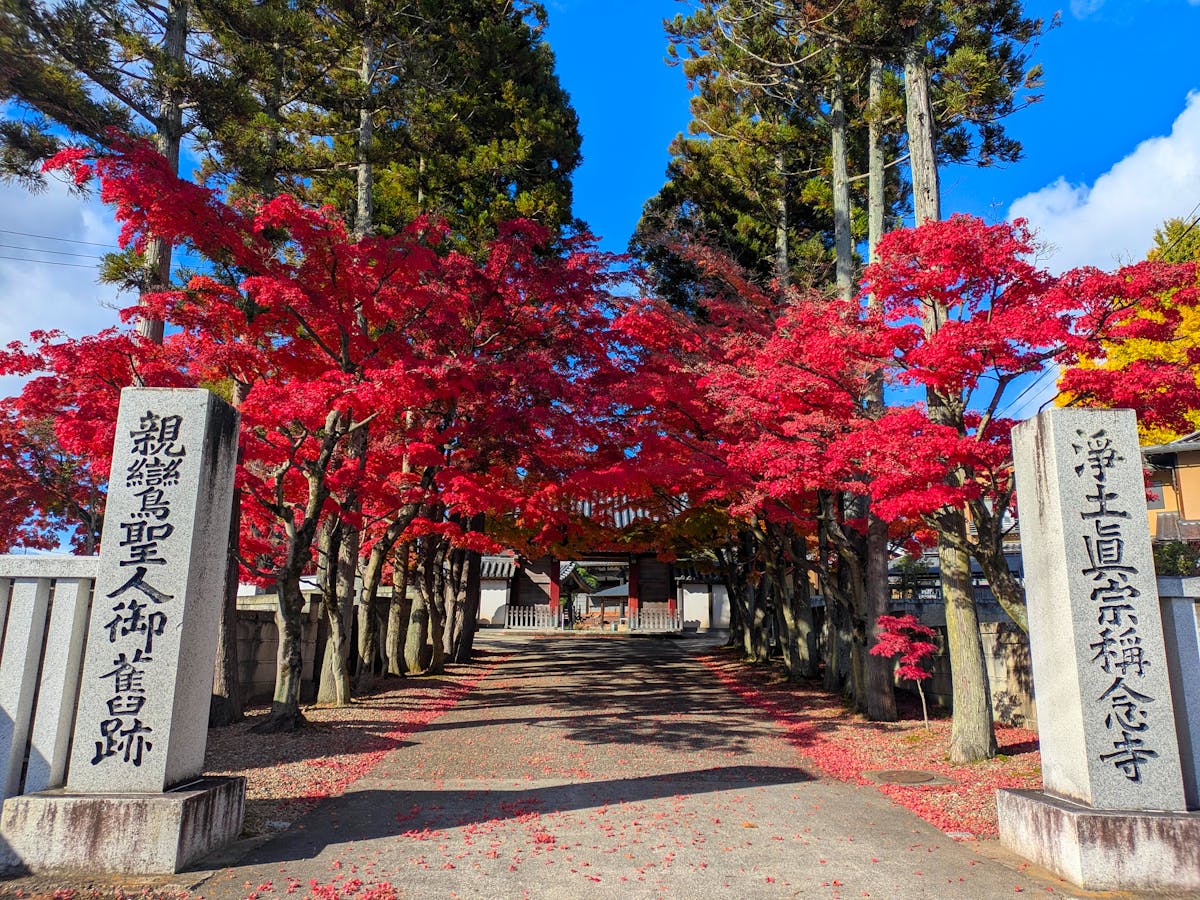
Mid- to late-November is peak autumn at Katsuo-ji. The Minoo mountains produce some of Kansai’s most intense foliage, and the temple’s combination of red maples + rust-red Daruma dolls creates one of the most photographically rewarding settings in the region. The temple is dramatically less crowded than Kyoto‘s famous autumn spots while delivering equal or better color.
Cherry Blossom (Early April)
The temple has several cherry trees that bloom in early April. Less spectacular than autumn but a calm alternative to crowded city hanami spots.
New Year (January 1-7)
Katsuo-ji is a major hatsumode destination for Osaka residents seeking business and academic year-success blessings. Crowded but atmospheric.
Daily Visit (Year-Round)
Early morning (08:00-10:00) is calmest year-round.
Combine With Other Stops
Minoo Park and Falls
Minoo Park is the famous waterfall hiking area near Katsuo-ji – the two combine into a full nature day. Take the temple visit first (early morning), then taxi or bus down to Minoo Falls trail. Walk the 3km trail to the 33m waterfall, then return via Hankyu Mino-o Station.
Expo ’70 Commemorative Park
On the way back to central Osaka, stop at Bampaku-kinen-koen for the Tower of the Sun and Expo Park playgrounds.
Senri-Chuo Shopping
Senri-Chuo has a large mall complex – good lunch break before or after the Katsuo-ji visit.
Suggested Full-Day Itinerary
- 08:00: Leave central Osaka via Midosuji Line to Senri-Chuo
- 08:45: Take Hankyu Bus to Katsuo-ji
- 09:15: Tour Katsuo-ji – Daruma pavilion, main hall, pond, pagoda (90-120 minutes)
- 11:30: Return by bus to Senri-Chuo
- 12:30: Lunch at Senri-Chuo
- 13:30: Optional – Expo ’70 Commemorative Park (Tower of the Sun, playgrounds)
- 16:00: Return to central Osaka
Etiquette at Katsuo-ji
- Bow at the Sanmon gate before entering
- Walk respectfully past Daruma dolls – do not touch or rearrange them
- Light incense at the burners; waft smoke over your body
- At the main hall: gassho, bow, pray silently – do not clap at Buddhist temples
- Photography permitted throughout (including the Daruma displays)
- Picking up Daruma to “borrow” for photos is strongly discouraged
- Donate at the temple office if your visit was meaningful
- Modest dress; cover shoulders
Practical Tips
- Cash for admission, Daruma, omikuji and goshuin – JPY 5,000 minimum recommended
- Restrooms on the grounds; clean and free
- Wheelchair access at main paths; some upper temple areas have stairs
- Limited English signage; the temple shop has an English Daruma instruction sheet
- Vending machines on-site; small food stall serving udon and sweets
- Bring layers – the Minoo mountains are 5-10°C cooler than central Osaka year-round
- Rain gear in season – the temple is partially outdoor
- The bus from Senri-Chuo gets crowded on autumn weekends; consider taxi if traveling with a group
- Return by 16:00 to avoid the bus rush back to the city
Daruma Doll Color Meanings
- Red: Traditional – all-purpose good luck and protection from misfortune
- Gold: Wealth and business prosperity
- White: Purification and love
- Blue: Academic success, especially for exams
- Green: Health and family wellbeing
- Pink: Romance and matchmaking
- Black: Career success and protection from evil
Final Word: Katsuo-ji Temple
Katsuo-ji Temple rewards visitors who want an atmospheric, ritually rich, photographically distinctive Osaka temple experience away from the city’s crowds. The Daruma tradition is genuinely meaningful – many Osaka residents return year after year with completed Daruma to deposit – and the autumn foliage in mid-November is among the best in Kansai. Build a full day around it: morning bus from Senri-Chuo, 2 hours at the temple, optional afternoon at Expo ’70 Park, and you’ve experienced one of the most distinctive religious sites in western Japan. Katsuo-ji rewards the detour, and it fits naturally into a wider circuit of Osaka temples.