This article contains advertising. Our booking links are routed through a partner that adds commission tracking automatically, so if you book through one we earn a commission from the provider, at no extra cost to you. It never affects what we recommend. Affiliate disclosure
Most travellers blow straight past Sakai City Osaka on the train to or from Kansai Airport without realising what’s down there. That’s a shame, because Sakai is two distinct things at once: the home of Japan’s most respected knife-making tradition — an unbroken line of blade-smiths stretching back roughly 600 years — and the site of the Mozu kofun, a cluster of colossal ancient burial mounds that UNESCO added to the World Heritage list in 2019. It’s the kind of place professional chefs make pilgrimages to and most tourists never see. And it’s only about 30 minutes from central Osaka.
This guide is for the curious traveller with a specific itch — history, craft, or a chef’s-grade knife to take home. It covers what to actually do in Sakai for a day, the knife workshops and where to buy, the reality of seeing the giant tombs at ground level (manage your expectations there), how to get in from the city, and a neat trick for travellers flying out of Kansai Airport with a few hours to kill.
The quick version
- Where it is: southern Osaka Prefecture, about 30 minutes south of the city centre.
- Best for: craft and history travellers, knife buyers, and anyone happy off the standard tourist track.
- Time you need: 4 to 6 hours for a satisfying day.
- UNESCO listed: 2019 (the Mozu-Furuichi kofun group).
- Sakai Traditional Crafts Museum: ¥500 to enter; knife-sharpening workshop around ¥3,000.
- From Kansai Airport: about 30 minutes on the Nankai Airport Line — handy on an arrival or departure day.
Why Sakai is worth the detour
Sakai was a serious place long before Osaka eclipsed it. In the feudal era it was a free port and one of Japan’s wealthiest merchant towns, trading with the wider world while much of the country stayed closed. That money and that outward-looking culture left a mark you can still trace.
- The knife capital: a 600-year forging tradition that still equips a large share of Japan’s professional chefs. When a sushi master talks about a Sakai blade, this is where it came from.
- World Heritage tombs: the Mozu-Furuichi kofun group, listed by UNESCO in 2019.
- Birthplace of Sen no Rikyu: the 16th-century figure who shaped the Japanese tea ceremony into the form it still takes was born and trained here.
- A merchant city’s bones: temples, old streets, and a civic pride that has nothing to do with tourism.
What to do in Sakai
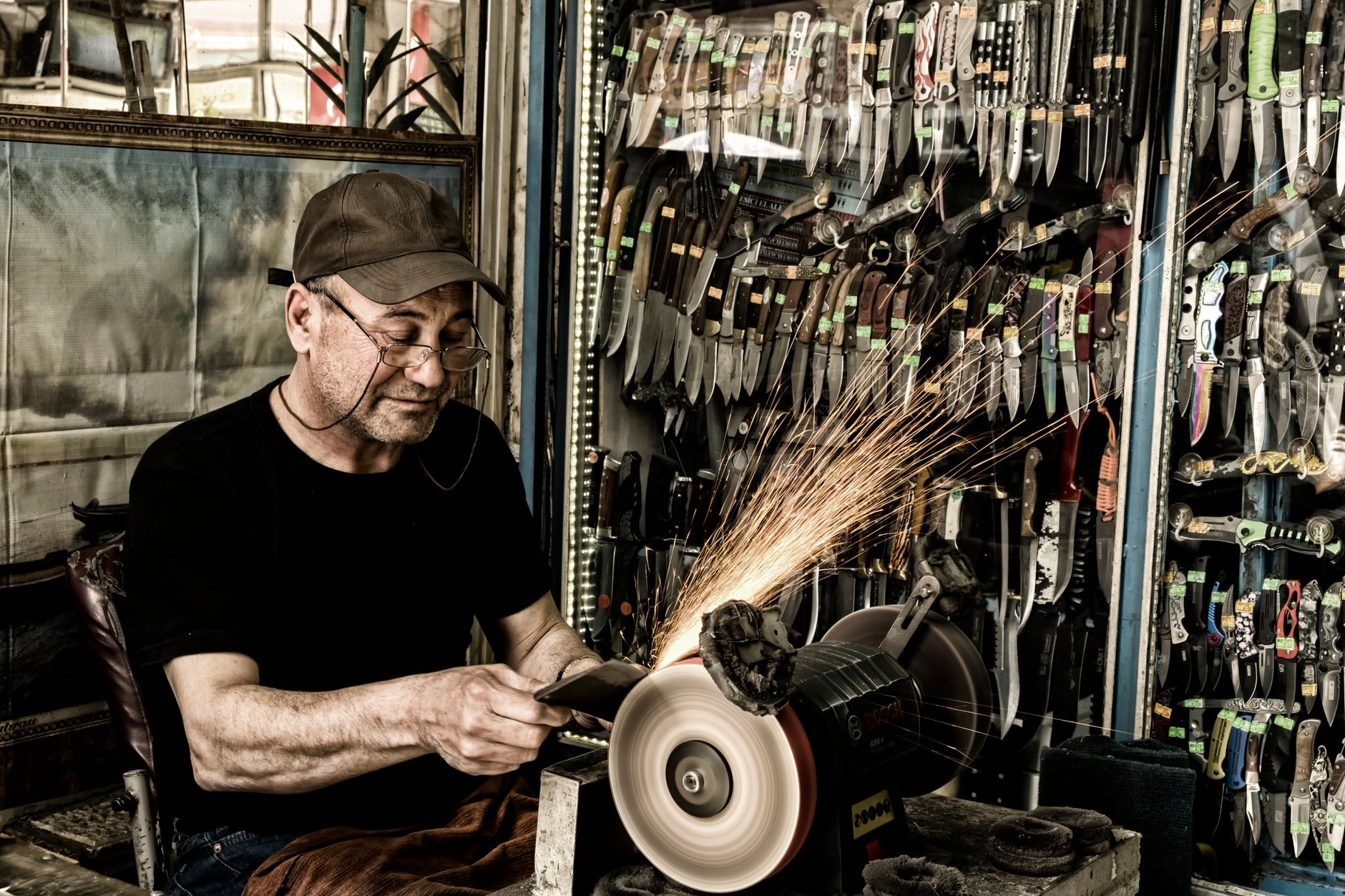
Sakai Traditional Crafts Museum (Denshokan)
This is the one to build your day around. It’s part museum, part shop, part working demonstration space, and it’s where Sakai’s knife culture is most accessible to a visitor who doesn’t speak the trade. You can:
- Watch master craftsmen put edges on knives at the sharpening bench.
- Try sharpening yourself on a Sakai petty knife — a hands-on workshop in the ¥3,000–¥5,000 range.
- Have your name engraved on an aluminium keychain under a craftsman’s eye (around ¥1,500) if you want a cheaper keepsake.
- Buy authentic Sakai-forged knives straight from the makers, with staff who can match a blade to how you actually cook.
- Catch the daily sharpening demonstrations.
- Hours: 10:00–17:00.
- Entry: ¥500.
- Getting there: about a 15-minute walk from Sakai Station.
The Mozu tombs — and a reality check
The Mozu cluster is 49 keyhole-shaped burial mounds (kofun) in southern Sakai. The giant of the group, attributed to Emperor Nintoku and dating to roughly the 4th to 6th centuries, has a central mound around 486 metres long — Japan’s largest tomb and, by surface area, one of the largest on the planet. The whole thing is ringed by moats and dense forest.
Here’s the honest part. From the ground, the great tombs read as forested hills behind water. You can’t climb them — they’re sacred imperial sites, off-limits — and you can’t get the keyhole shape that makes the aerial photos so striking. If you arrive expecting pyramids, you’ll be deflated. Go in understanding that you’re standing beside something ancient and enormous that you mostly have to imagine in its full shape, and it lands very differently.
- Best view: the free observation deck on the 21st floor of Sakai City Hall, which finally lets you read the keyhole outlines from above.
- Guided walks: roughly 90-minute tours circle the moats with context that brings the mounds alive.
- Entry: free to the grounds and the City Hall deck.
Sakai City Hall observation deck
Worth the elevator ride, and free. The 21st-floor deck is the only easy spot to actually see the keyhole shapes of the kofun laid out below you. Pair it with the ground-level walk and the tombs finally make sense — read them from above first, then go stand beside the moat.
Sen no Rikyu’s Sakai
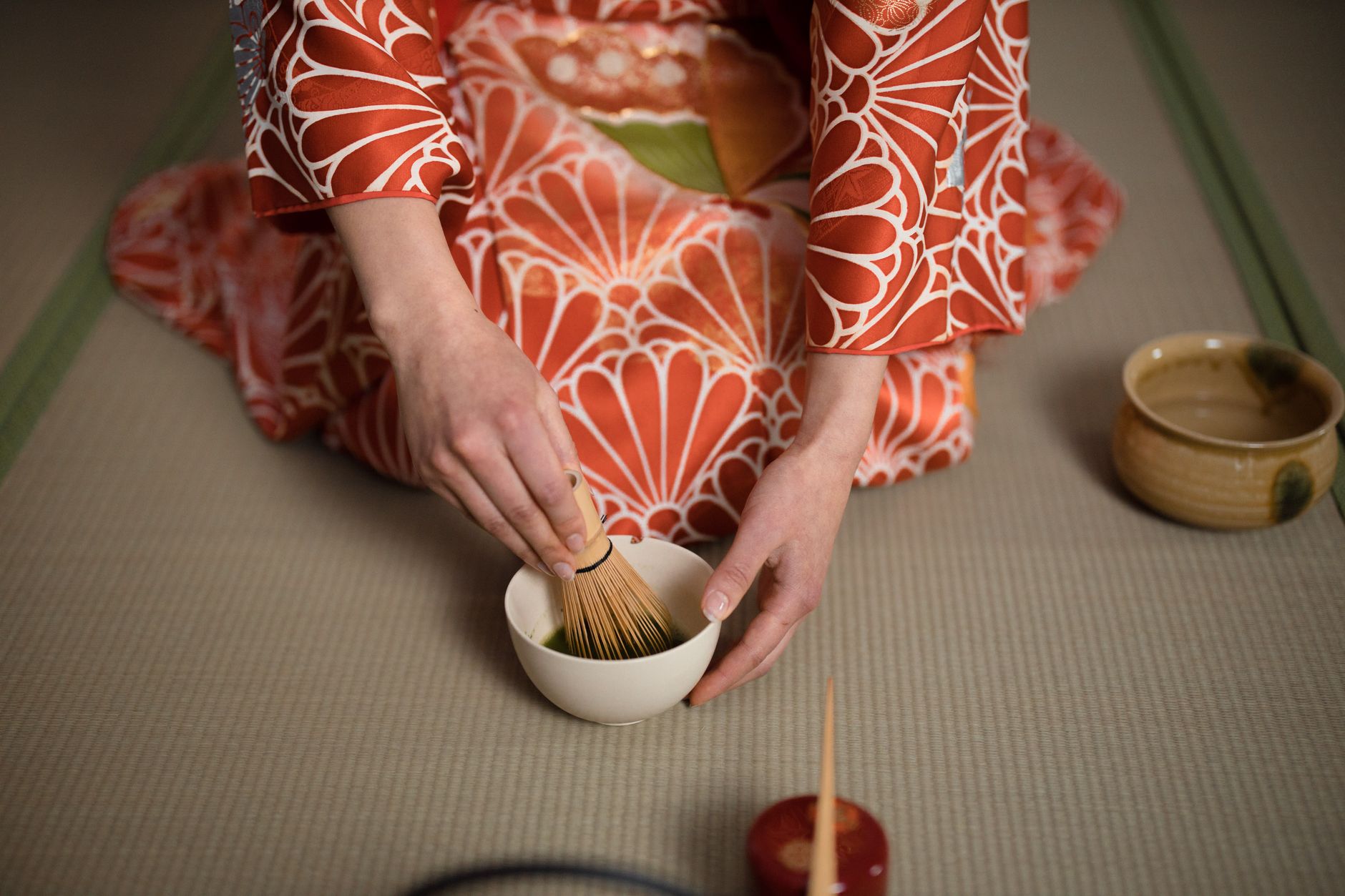
The tea master Sen no Rikyu, who turned tea-drinking into the spare, deliberate ritual the world now associates with Japan, was born in Sakai. His birthplace, a handful of related shrines, and a scatter of traditional teahouses can be linked into a tea-themed walk through the old town. Several venues run formal tea-ceremony experiences in the ¥3,000–¥5,000 range — a genuinely good way to slow down between the knife museum and the tombs.
A couple more for the keen
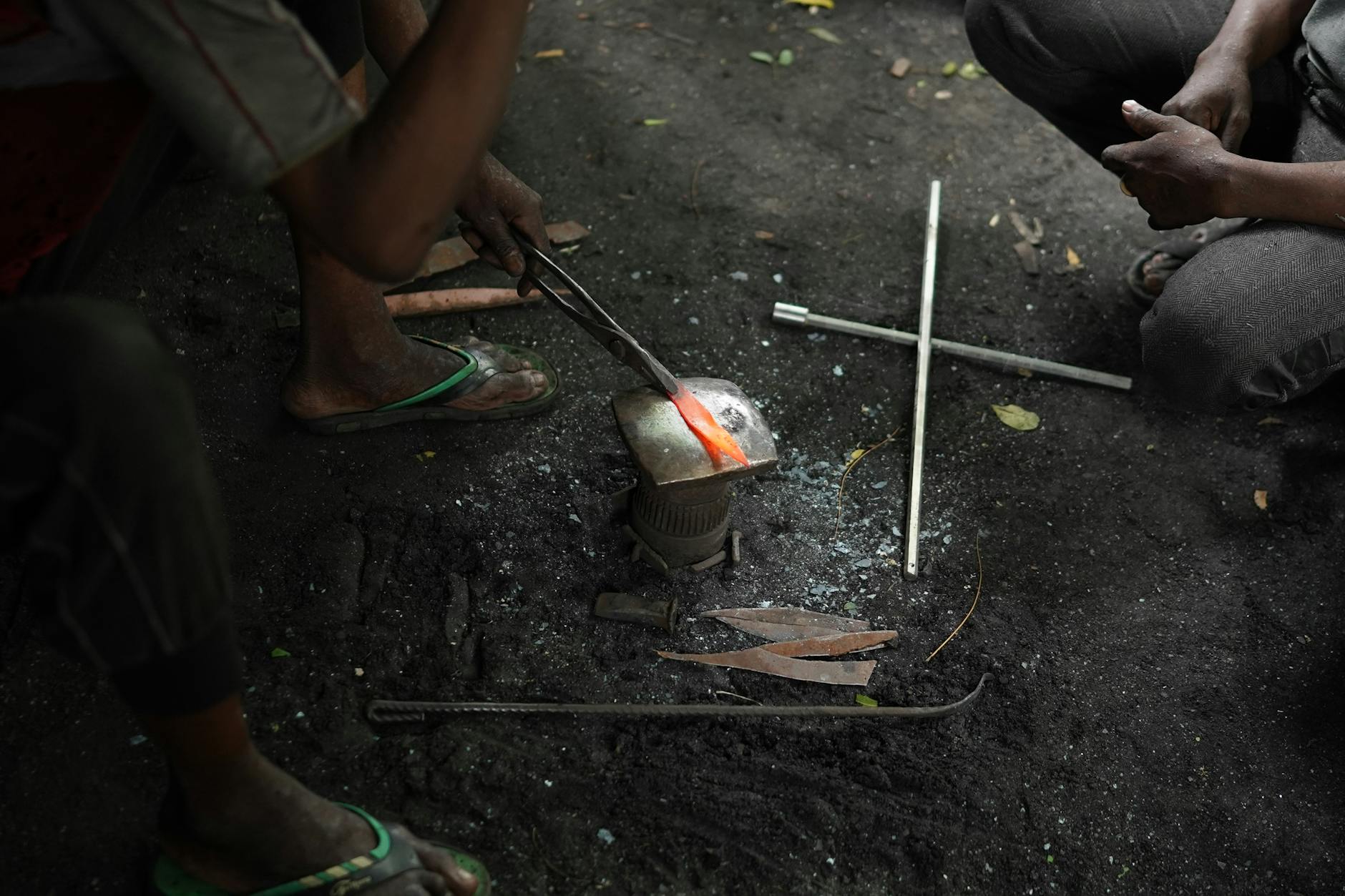
The Hannan Castle ruins are modest — a fragment of wall and a garden — but free and quiet if you’re already nearby. And for serious knife people, several boutique foundries (Wada Shoten among them) take bookings for foundry tours where you watch the full forging process, from heating and hammering to grinding. These run anywhere from ¥5,000 to ¥15,000 and need reserving ahead.
Getting to Sakai from Osaka
- From Namba: Nankai Main Line to Sakai Station — about 15 minutes, ¥260.
- From Kansai Airport: Nankai Airport Line to Sakai Station — about 30 minutes, ¥670. Useful on an arrival or departure day.
- From Tennoji: JR Hanwa Line to Sakai-shi Station — about 15 minutes.
An IC card covers every one of these without a thought, which is the simplest way to handle a day of short Nankai and JR hops. If you don’t already have one, our ICOCA card guide walks through buying and topping up — it’ll save you queuing at ticket machines all day.
A sample Sakai day
- 9:30 — Arrive at Sakai Station.
- 9:45 — Walk to the Sakai Traditional Crafts Museum.
- 10:00–12:00 — Sharpening demonstration and a hands-on workshop.
- 12:00 — Lunch; Sakai does a good local sushi or an eel set.
- 13:30 — Train and a short walk to Sakai City Hall.
- 14:00 — The free 21st-floor deck for the kofun from above.
- 14:30 — Walk the Mozu tomb cluster at ground level.
- 15:30 — A Sen no Rikyu teahouse, with an optional ceremony.
- 17:00 — Train back to the city.
Buying a Sakai knife
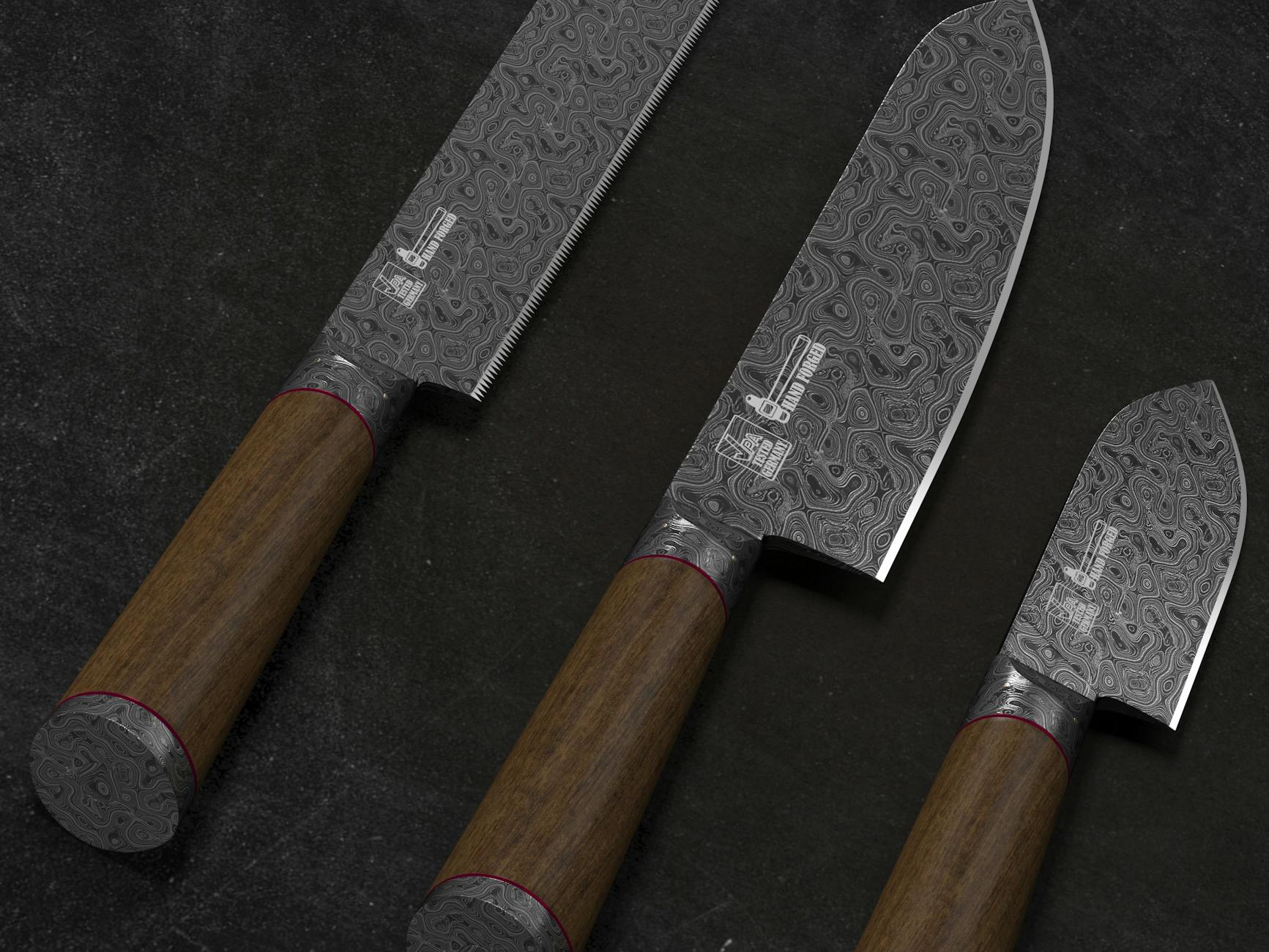
If you cook, this is the souvenir. Sakai blades are forged and sharpened by separate specialists — one smith forms the steel, another puts on the edge — which is part of why they hold a reputation among professionals. Expect roughly:
- Entry-level chef knife: ¥8,000–¥15,000.
- Mid-range artisan knife: ¥15,000–¥35,000.
- Premium master-forged: ¥35,000 and up.
- Where: the Crafts Museum shop, or individual foundries.
- Engraving: most shops will put your name on the blade, free or for around ¥500.
- Tax-free: available with your passport on purchases over ¥5,000.
One critical point for travellers: a knife goes in your checked luggage, never your carry-on. Airport security will confiscate a blade from your hand baggage without hesitation. Most Sakai shops know this and will pack your purchase securely for the flight — let them.
Practical tips
- Reserve workshops ahead. The sharpening sessions and foundry tours fill, especially on weekends.
- Wear clothes you don’t mind smudging at the workshop bench.
- Plan the packing. A knife is checked-baggage only, so don’t buy one on a carry-on-only trip without a plan.
- Bring a translation app. Sakai is less geared to English than central Osaka, and it helps at the smaller shops.
- Combine with a Kansai Airport day. If your flight out is mid-to-late afternoon, a morning in Sakai before heading to the gate is one of the smarter last-day moves in the region.
Sakai City Osaka: common questions
Is Sakai worth a day trip?
For craft lovers, history buffs and knife collectors, absolutely. For a first-time visitor with limited days, it’s less essential than Kyoto, Nara or Kobe — think of it as a strong second-week or special-interest pick.
How do I get to Sakai from Osaka?
Nankai Main Line from Namba to Sakai Station — about 15 minutes, ¥260. The JR Hanwa Line from Tennoji works too, and the Nankai Airport Line connects it straight to Kansai Airport.
Can you actually see the Mozu tombs?
Only partly at ground level — they look like forested hills behind moats, and you can’t go onto them. The keyhole shape only reveals itself from above, so ride up to the free observation deck on the 21st floor of Sakai City Hall first.
Can I take a knife-making workshop?
Yes. The Sakai Traditional Crafts Museum runs sharpening workshops in the ¥3,000–¥5,000 range. For the full forging experience, premium foundries offer longer tours (¥10,000 and up) by reservation.
Can I bring a Sakai knife home on the plane?
Only in checked baggage — never carry-on. Most shops will pack it securely for the journey. Plan for this before you buy if you’re travelling light.
Where to go next
Sakai is the most specialist stop among our day trips from Osaka, so most people pair it with one of the bigger names. For ancient history of a more visual kind, the temples and tame deer of Nara are an easy companion day, and a one-day run up to Kyoto covers the temple-and-tradition side at full scale.