This article contains advertising. Our booking links are routed through a partner that adds commission tracking automatically, so if you book through one we earn a commission from the provider, at no extra cost to you. It never affects what we recommend. Affiliate disclosure
An Osaka tea ceremony experience is one of the most accessible introductions to traditional Japanese culture – 60-90 minutes seated on tatami with a tea master who walks you through the rituals, lets you whisk your own bowl of matcha, and serves traditional wagashi sweets. Unlike the famously formal multi-hour ceremonies in Kyoto, Osaka’s tea schools have developed shorter, English-friendly experiences specifically for foreign visitors. Prices range from JPY 2,500 (group budget) to JPY 12,000 (premium private at hotels). This 2026 guide compares 6 top tea ceremony venues, explains what you’ll actually do, covers etiquette in detail, and tells you which experience suits your travel style.

Quick Picks: Best Osaka Tea Ceremony
- Best budget group experience: Maikoya Osaka (~JPY 2,500-3,500)
- Best foreign-friendly intimate experience: The Osaka (Dotonbori area, JPY 4,000-6,000)
- Best premium private experience: Ritz-Carlton Osaka Japanese Suite (~JPY 8,000-12,000)
- Best with kimono add-on: Chacanoko Nakazakicho (JPY 1,200 tea + JPY 4,500 kimono)
- Best for couples: Ayako Fukui private home experience
- Best last-minute: Wargo Shinsaibashi (combined tea + kimono walk-in)
What Is Chado (The Way of Tea)?
Chado – literally “the way of tea” – is a centuries-old Japanese ritual centered on the preparation, serving, and drinking of matcha (powdered green tea). The ceremony was codified in the 16th century by Sen no Rikyu, whose three grandsons founded the three modern schools: Urasenke (most international), Omotesenke (most traditional), and Mushakojisenke. All three schools follow the same broad principles (harmony, respect, purity, tranquility) but vary in specific gestures.
For foreign visitors, the formal full-length ceremony (chaji) lasts 3-4 hours and includes a multi-course kaiseki meal. The shorter ceremonies offered to tourists (chakai) last 60-90 minutes and focus on the tea-whisking and drinking. Most international visitors do chakai.
Top Osaka Tea Ceremony Venues
The Osaka (Tea Ceremony Osaka)
- Location: 3-5 min from Shinsaibashi/Namba/Nihonbashi stations (Dotonbori area)
- Language: English-only sessions for foreign visitors
- Format: 60-minute experience; whisk and drink your own matcha
- Group size: Up to 8 people; can also book private
- Price: JPY 4,000-6,000 per person depending on group
- Includes: Tea, wagashi, demonstration, explanation, take-home certificate
- Best for: Central Osaka travelers wanting authentic but English-friendly experience
Maikoya Osaka
- Location: Multiple central Osaka locations
- Language: English-led with history and etiquette explanations
- Format: 60-90 minutes; group-style
- Group size: Up to 15 people per session
- Price: JPY 2,500-3,500 per person (budget option)
- Add-ons: Kimono rental JPY 4,500; calligraphy add-on JPY 1,500
- Best for: Budget travelers and groups; introductory experience
Ritz-Carlton Osaka Japanese Suite
- Location: Ritz-Carlton Osaka, Umeda
- Language: English with master-class tea expert
- Format: 90-120 minutes; private tatami room with garden view
- Group size: Private (1-4 people)
- Price: JPY 8,000-12,000 per person
- Includes: Premium matcha, seasonal wagashi, multi-course tea-room atmosphere
- Best for: Honeymoon, anniversary, or premium-travel experience seekers
Ayako Fukui Private Experience
- Location: Private home in central Osaka (address provided after booking)
- Language: English; small-group home experience
- Format: 90-minute intimate ceremony in a real Japanese home tea room
- Group size: 2-4 people maximum
- Price: JPY 5,000-7,000 per person
- Booking: Via Airbnb Experiences or direct email
- Best for: Couples and small groups wanting authentic home setting
Chacanoko (Nakazakicho)
- Location: Nakazakicho hipster neighborhood
- Format: Casual tea + matcha set; optional kimono add-on
- Price: JPY 1,200-1,800 tea set + JPY 4,500 kimono rental
- Best for: Walk-in foreign visitors exploring Nakazakicho; combine with cafe-hopping
Wargo Shinsaibashi
- Location: Shinsaibashi, 7 min walk from Shinsaibashi Station
- Format: Tea ceremony + kimono rental combination
- Price: Tea JPY 1,500-2,500; kimono separate JPY 3,300+
- Best for: Combining tea with kimono-clad Dotonbori walking
What Happens at a Tea Ceremony (Step by Step)
Arrival and Preparation
Remove shoes at the entrance. The host welcomes you to a waiting room; you’re given a brief introduction to the ceremony’s purpose and the day’s theme. Sometimes a small antechamber visit to a kakejiku (hanging scroll) or seasonal flower arrangement.
Entering the Tea Room
Move to the tearoom on hands and knees through a small “crawl-in” entrance (nijiriguchi) – traditional but most tourist-facing rooms use a standard door. Sit seiza-style (kneeling) on the tatami if able; comfortable cross-legged for foreign visitors is acceptable at most venues.
Wagashi (Sweets) Service
The host presents a wagashi (traditional sweet) on a folded paper. Bow, lift the paper toward you, place the sweet in front of you. Eat the sweet completely before the tea arrives – the sweet’s flavor prepares your palate for the bitter matcha. Common wagashi: nerikiri (sculpted bean paste), yokan (jellied bean paste), seasonal motifs.
Tea Preparation
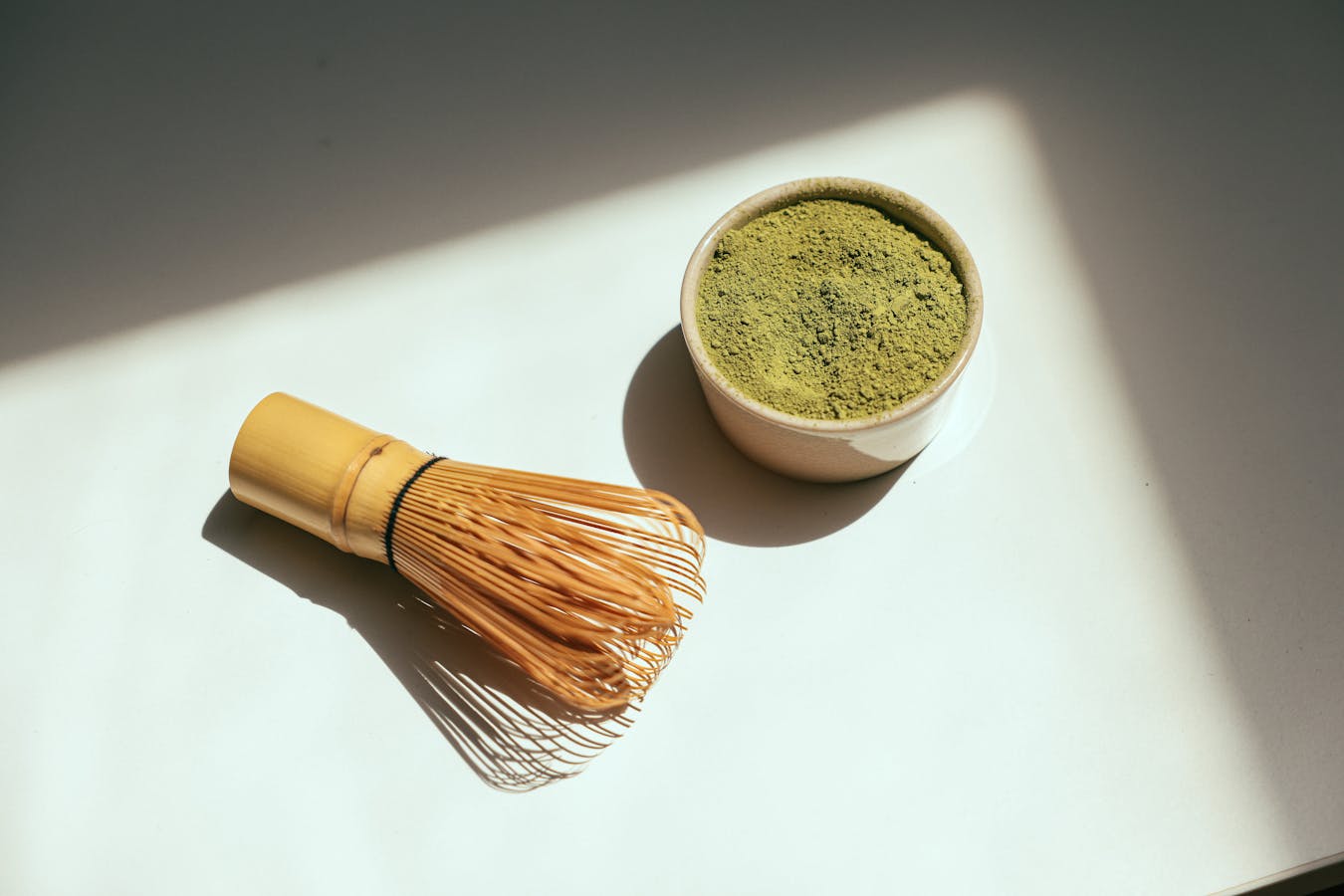
The host demonstrates whisking matcha. Two grams of matcha powder + 60ml hot water (75-80°C) whisked with a chasen (bamboo whisk) in a W-pattern for 15-20 seconds until frothy. At most tourist ceremonies, you’ll then whisk your own bowl.
Drinking
Bow to the host. Pick up the bowl with your right hand. Place it on your left palm. Rotate clockwise 90 degrees (twice 45-degree turns) to avoid drinking from the bowl’s “front” (the decorative face). Drink in 2-3 sips. Wipe the rim with your right hand. Rotate back. Set the bowl down. Bow again.
Inspecting the Bowl
The host may invite you to inspect the bowl – turn it slowly to see the ceramic, the underside, the foot. Compliment the host on the bowl’s beauty if you genuinely appreciate it.
Closing
The host concludes with a final bow. You bow back. Receive any souvenir items (some venues provide a packet of matcha or a wagashi to take home). Total time: 60-90 minutes.
What to Wear
- Western clothing: Acceptable at all tourist-facing ceremonies. Simple skirts, dresses, or trousers preferred over jeans
- Kimono: Premium option; rental venues offer combo tea + kimono experiences
- Footwear: Remove at entry; bring clean socks (white preferred but not required)
- Hair: Pin back long hair so it doesn’t dip into the tea bowl
- Avoid: Strong perfume (interferes with tea aroma), large jewelry (can scratch the tea bowl), strong patterns or bright colors that visually compete with the ceremony’s restraint
Etiquette Tips
- Bow at every transition – entering the room, receiving the sweet, receiving the tea, finishing
- Quiet voices throughout – the ceremony’s tranquility is the experience
- Phone silent – no calls, no notifications
- Photography: Confirm policy beforehand; some venues prohibit it inside the tearoom
- Tea bowl handling: Two hands, gentle motions, never grab
- The 90-degree rotation: Specific gesture to avoid drinking from the bowl’s “face” – learnable in 1 attempt
- Don’t slurp the matcha (unlike soup; matcha is sipped silently)
- Eating wagashi: Cut larger pieces with the small wooden pick provided
Photography Policy
- Most tourist ceremonies welcome photography at certain moments – confirm with host before starting
- Some moments are off-limits – the host preparing tea is often privileged
- Souvenir photos at the end: Most venues will pose with you for a final photo
- Flash: Always prohibited inside tearooms
- The Ritz-Carlton premium experience typically prohibits photography entirely
Best Time to Visit Osaka Tea Ceremony
- Morning sessions (10:00-12:00): Calmer atmosphere; tea masters fresh
- Afternoon sessions (14:00-16:00): Most popular booking time; smaller availability
- Seasonal themes: Spring (sakura wagashi), summer (cool flow), autumn (chrysanthemum), winter (warm thick matcha)
- Weekends: Premium venues book 1-2 weeks ahead during peak tourist season
- New Year period: Some venues close December 28 – January 5
How to Book
- Online platforms: Klook, Viator, GetYourGuide, Airbnb Experiences – widest reach
- Direct booking: Email or phone the venue 3-7 days in advance
- Hotel concierge: Can often book same-day for premium venues
- Walk-in: Possible at Maikoya and Wargo on quiet weekdays
- Cancellation policy: Typically 24-48 hours; some venues charge 50% for last-minute cancellations
What to Bring
- Yourself, on time (early arrival appreciated)
- Clean socks if your shoes are removable in style
- Cash for any add-ons (kimono, calligraphy)
- Optional: a small notebook for taking notes on the host’s explanations
- Optional: a souvenir to gift the host (small foreign sweets are often welcomed)
Combine With Other Cultural Stops
Kimono Rental
Combine tea ceremony with kimono rental for a full cultural day. Many tea venues offer combo packages.
Osaka Castle Nishinomaru Tea House
Outdoor tea served from a traditional pavilion in the cherry blossom garden. Less formal than a full ceremony but atmospheric. JPY 500-800.
Cooking Class
Pair morning tea ceremony with afternoon takoyaki or sushi-making class for a “Japanese culture day.”
Calligraphy Workshop
Several tea venues also offer 30-60 minute shodo (Japanese calligraphy) classes for an additional JPY 1,500-3,000. Our craft workshops guide covers the dedicated studios.
Common Mistakes
- Booking too short a session: 30-minute “introductions” feel rushed; book 60-90 minutes for the full experience
- Skipping wagashi: The sweet is part of the ceremony – eat it before the tea arrives
- Drinking the tea slowly: Matcha is meant to be sipped in 2-3 sips, not nursed
- Talking during the host’s preparation: Watch in respectful silence
- Forgetting to compliment the bowl: A short compliment on bowl beauty is the standard guest gesture
- Sitting in seiza if uncomfortable: Most venues now welcome cross-legged seating – ask
Tea Ceremony for Different Travelers
For Couples
Ritz-Carlton premium private experience or Ayako Fukui home ceremony – both prioritize intimate small-group atmosphere.
For Families with Kids
Maikoya group classes accommodate kids ages 6+. Younger kids may find the seated stillness challenging.
For Solo Travelers
Maikoya group sessions or The Osaka offer solo single-traveler bookings without single supplement.
For Repeat Visitors
Move up to Ayako Fukui’s home experience or the Ritz-Carlton premium session – more depth, more discussion of philosophy.
Final Word: Osaka Tea Ceremony
An Osaka tea ceremony rewards visitors who approach it with curiosity rather than checklist tourism. The shorter chakai-format ceremonies (60-90 minutes) preserve the cultural depth of the full tradition while being accessible to first-time visitors. Pick a venue based on group size and budget, arrive early, follow the host’s gestures, and embrace the silence. You’ll leave with one of the most authentically Japanese cultural memories available in the city.