This article contains advertising. Our booking links are routed through a partner that adds commission tracking automatically, so if you book through one we earn a commission from the provider, at no extra cost to you. It never affects what we recommend. Affiliate disclosure
Osaka is one of the easier cities in Japan to sleep in cheaply, which is part of why backpackers love it. Dorm beds start around ¥1,500 a night, capsule pods from about ¥2,500, and clean private budget-hotel rooms from roughly ¥6,000. Staying under ¥5,000 a night isn’t a stunt here; it’s just normal. The cheapest beds cluster around Shin-Imamiya, Dobutsuen-mae, and the southern edge of Naniwa-ku, with a few solid options scattered through Namba and Shinsaibashi too.
This guide rounds up the best budget hostels in Osaka, plus the standout cheap hotels under ¥5,000 (and a handful of private rooms under ¥7,500). I’ll cover dorm rates, how capsules differ from dorms, which neighbourhoods are worth it, locker security, and how to keep the nightly spend low without ending up over a karaoke bar that runs till 4am. A bed is only one line of the daily spend, so read it alongside our budget breakdown for Osaka, which puts a backpacker day at ¥8,000 to ¥12,000 once food, transport and sights are in.
Quick picks by type
- Best dorm hostel: Hostel Q in Honmachi, ¥2,500–¥3,800 a bed.
- Best capsule: Acro Capsule Hotel Namba Dotonbori, ¥3,000–¥5,000.
- Best budget private room: Toyoko Inn, multiple branches, ¥6,500–¥9,000 a single.
- Cheapest central beds: J-Hoppers Osaka, ¥2,000–¥3,500 dorm.
- Best for solo female travellers: Hostel Q’s female-only dorms.
- Best for remote workers: Hostel Mitsuwaya, with a real co-working space.
- Best for Dotonbori access: Drop Inn Osaka.
The budget sleep formats, decoded
Before you book, it helps to know what you’re actually getting. “Cheap” in Osaka spans five fairly different experiences, and the right one depends on how much privacy you need versus how much you want to save.
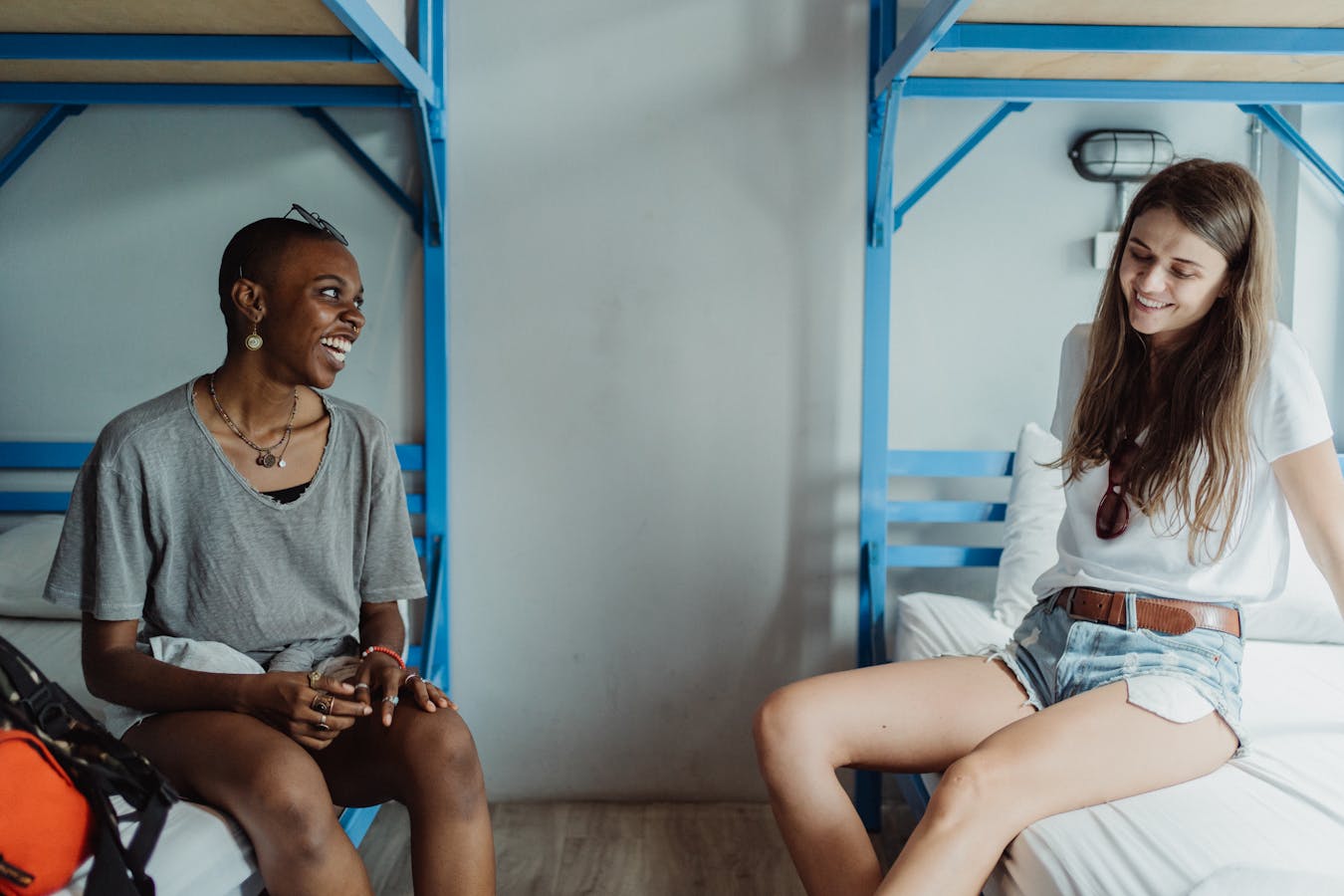
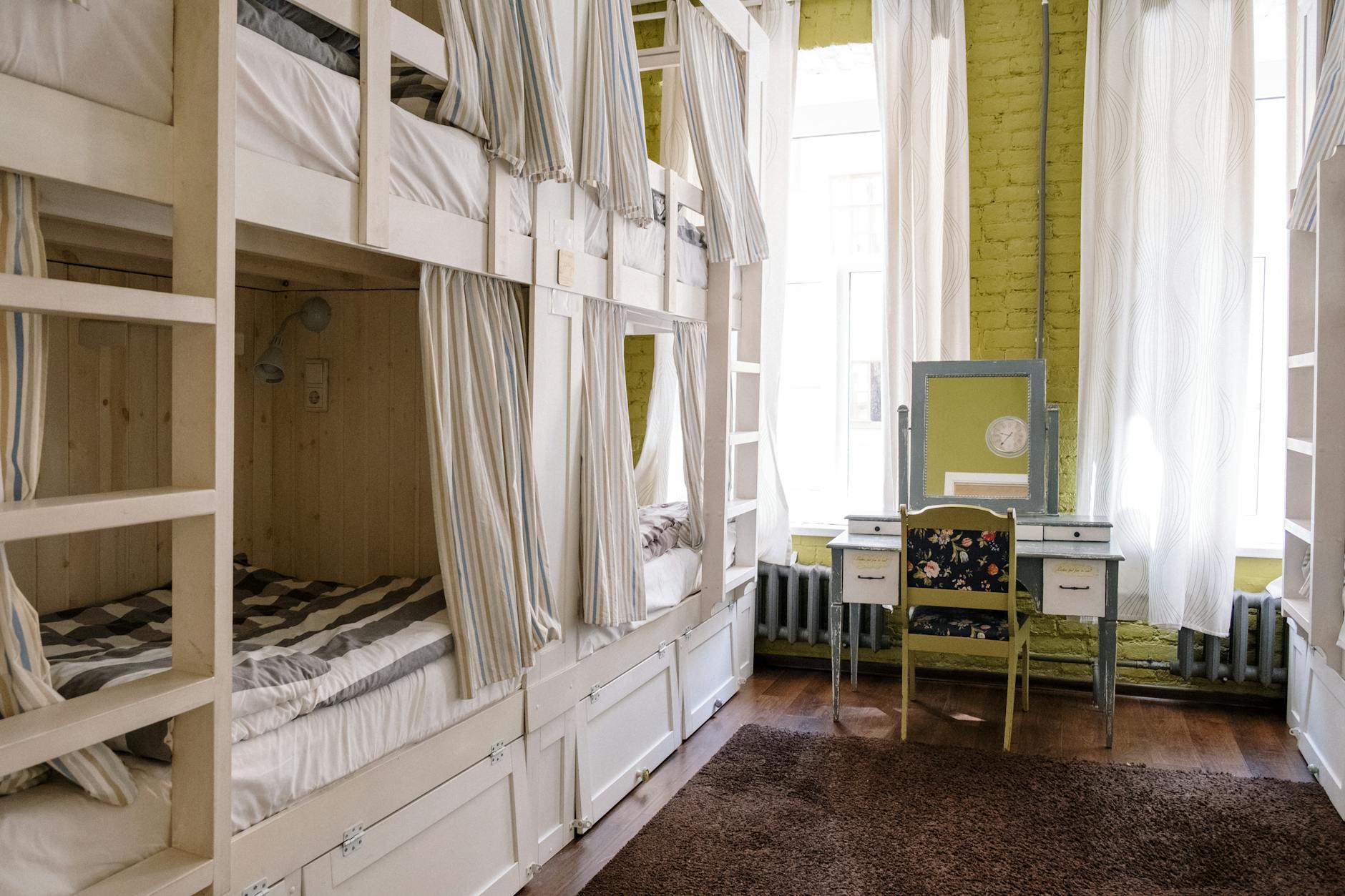
- Hostel dorm. Shared rooms of 4, 6, 8, or 10 beds, ¥1,500–¥3,800 a bed. Lockers, privacy curtains, common areas. The most social way to do it, and the cheapest.
- Capsule hotel. Sealed pods stacked in rows, ¥2,500–¥5,000. Compact but private, with a door or curtain you can pull shut. Quieter than a dorm, far less chatty.
- Budget private hotel. Small private rooms with their own bathroom, ¥6,500–¥10,000. Think Toyoko Inn, APA, Comfort Inn. Tiny, but yours.
- Manga or net cafe. A reclining seat in a 24-hour cafe, ¥2,000–¥3,500. Used as an overnight crash pad by the truly hardcore. Not comfortable, but it exists.
- Sauna with a sleeping area. Around ¥3,500, late-night entry, a lounger and the baths. A functional last-resort backup if you’ve missed the last train.
The 12 cheap hostels and budget stays worth booking
1. Hostel Q (Honmachi)
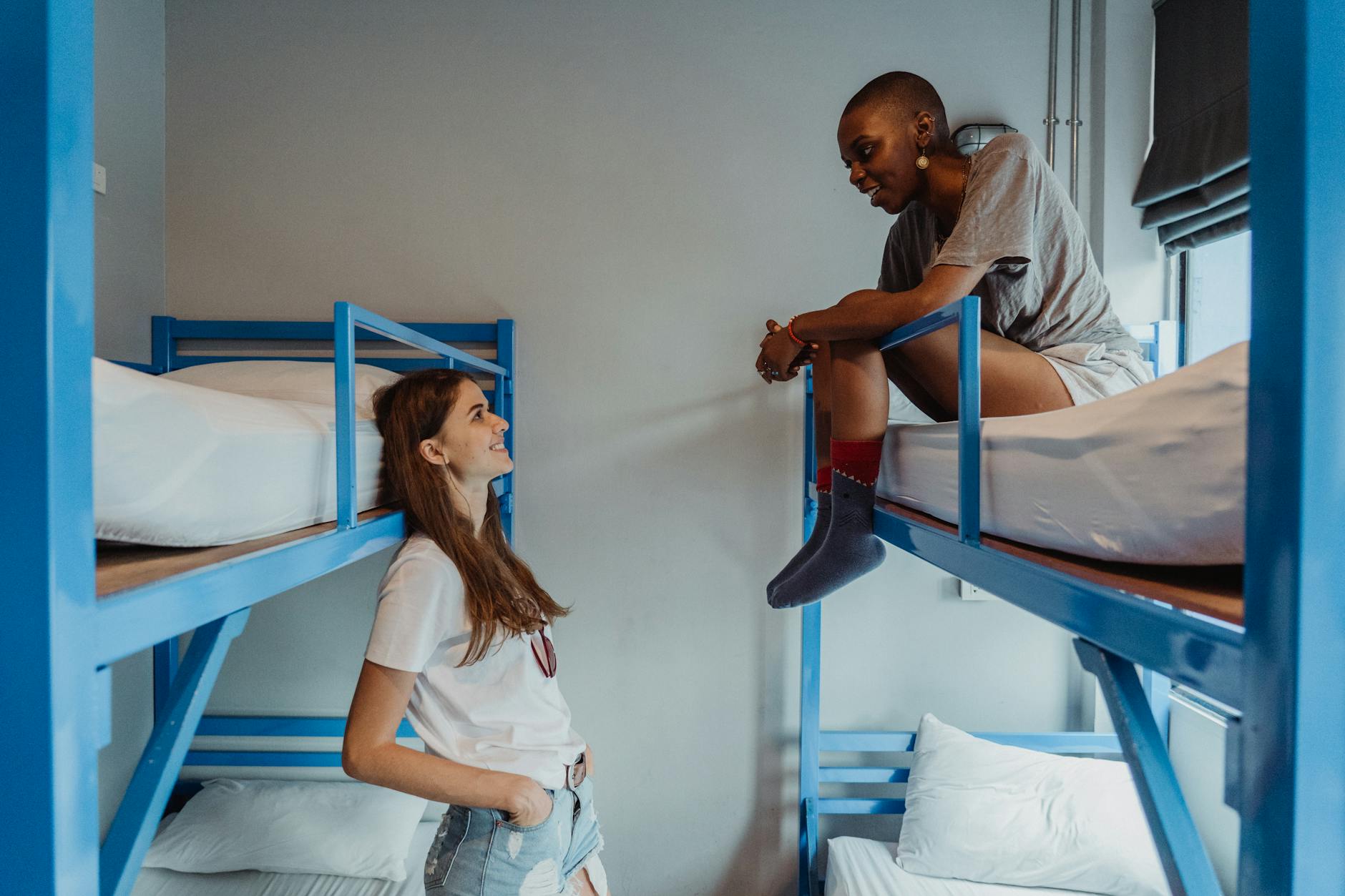
The one that lands at the top of the ratings again and again. It runs 4-bed female dorms and 10-bed mixed dorms, and every bed comes kitted out: a lockable security locker, a lamp, outlets, a mirror, a hanger, even earplugs. The design is sharp and the staff speak English. Beds run ¥2,500–¥3,800. If you’re a first-timer nervous about hostels, or a solo female traveller, start here.
2. J-Hoppers Osaka
A long-running chain that knows what it’s doing. Six- and eight-bed dorms plus a few private rooms, English-speaking staff, a shared kitchen, and a common lounge that actually gets used. Dorms ¥2,000–¥3,500, privates around ¥6,000. It sits in the Shin-Imamiya area, which keeps the price down.
3. Hostel Mitsuwaya
Built with remote workers in mind: strong Wi-Fi, dedicated work tables, and a community feel that makes it easy to meet people. It runs a touch pricier than the bare-bones dorms, but if you’re working as you travel, the setup pays for itself.
4. Drop Inn Osaka
About a five-minute walk from Dotonbori, which is the whole pitch. Clean modern dorms, a communal kitchen, free coffee, and a steady run of strong recent reviews. Beds ¥3,000–¥4,500. This is the one to book if you want to roll out of the dorm and into the neon in minutes.
5. Hostel 64 Osaka
A boutique hostel inside a renovated old building, with a mix of dorms and private pod-style rooms. It’s atmospheric and photogenic in a way the chains aren’t, so it suits travellers who care about the look of the place, not just the price.
6. Backpackers Hostel ToraJiro
Casual and laid-back, with a genuinely social vibe. Communal kitchen, free coffee, English-speaking staff. The kind of place where you end up sharing dinner plans with strangers and leaving with a group.
7. Acro Capsule Hotel Namba Dotonbori
A capsule hotel near Dotonbori with modern pods, a lounge area, and a shared bath. Check-in runs from 3pm to midnight. Pods are ¥3,000–¥5,000. This is the sweet spot for solo travellers who want privacy without paying private-room money, and the location is hard to beat.
8. Capsule & Spa Grand Sauna Shinsaibashi
A capsule-plus-sauna combo, so your overnight rate includes use of the baths and saunas. It’s male-only at most of these properties, so check before booking. Worth it if you want a long soak built into your sleep.
9. Capsule Inn Osaka
Old-school and bare-bones, ¥2,500–¥3,500 a pod. No frills, no design awards, just a functional capsule at a fair price. Fine for a night when you only need somewhere to sleep.
10. Hotel Mid-In Osaka Tsuruhashi
Private budget-hotel rooms from ¥4,500 a night. Smaller than a mid-range hotel, but a real private room with a door that locks. The best pick on this list for couples on a tight budget who don’t fancy a single-gender capsule.
11. Toyoko Inn Osaka (multiple branches)
The dependable Japanese budget chain, with branches all over the city. Compact private rooms, your own bathroom, and a free breakfast buffet thrown in. Rates ¥6,500–¥9,500. Boring in the best way: you always know what you’re getting.
12. APA Hotel (multiple branches)
Another big Japanese budget chain, with compact rooms, deep little bathtubs, and an in-room TV. Reliable across Osaka, and easy to find near most stations.
The cheapest neighbourhoods, and what they’re really like
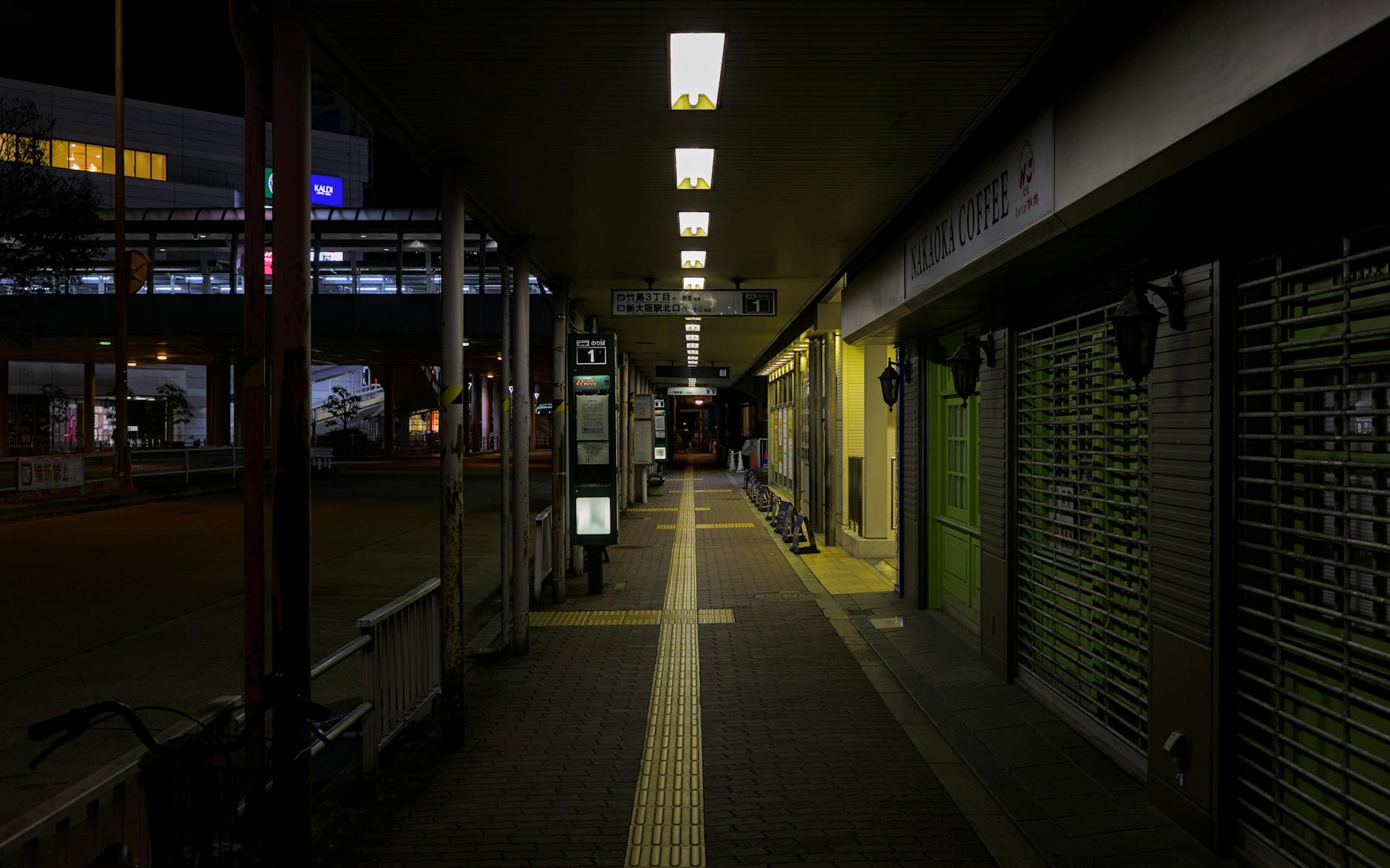
Where you sleep in Osaka on a budget is mostly a trade between price and polish. The cheapest area has a reputation; the more comfortable areas cost a little more. Here’s the honest read on each.
- Shin-Imamiya and Dobutsuen-mae (Naniwa-ku). The highest concentration of dorm hostels and capsule hotels, and the lowest prices. The neighbourhood is a bit rougher around the edges, a former day-labourer district, but it’s safe for travellers and the trains run straight to everywhere in central Osaka. This is where your money goes furthest.
- Tennoji. A dense transit hub with budget hotels, a step more polished than Shin-Imamiya. Good if you want cheap-ish without the grit, plus easy connections south to Nara.
- Tsuruhashi. South Osaka, with budget hotels and a Korean-town atmosphere that makes for excellent late dinners. An underrated pick if you eat your way through trips.
- Honmachi. The central business district, home to a couple of genuinely good design hostels like Hostel Q. Slightly pricier, but central and calm.
One thing about Shin-Imamiya worth saying plainly: you’ll read warnings about it online, and most are overblown. The area looks tired and some streets are quiet at night, but violent crime against tourists is essentially nonexistent. Use the same awareness you’d use in any city after dark and you’ll be completely fine.
Capsule hotel etiquette
Your first capsule can be disorienting if nobody tells you how it works. It’s simple once you know the drill.
- Shoes off at the door. Every capsule hotel has a shoe-locker area at the entrance.
- Lock your locker. You’ll get a key-and-locker for your belongings; your bag does not come into the pod.
- What’s in the pod. A privacy curtain or sliding door, mattress, blanket, pillow, lamp, outlet, often a small TV, sometimes a fan or air con.
- Bathing. A shared bath and shower, usually an onsen-style multi-tub setup. Same as any public bath: wash first, no swimsuit, soak after.
- Quiet hours are strict. Most enforce silence from 22:00 to 07:00, and people take it seriously.
- Sleepwear is provided. A gown or yukata at most properties, so you don’t need pyjamas.
- Many are single-gender. A good number of capsule hotels are male-only or split into separate male and female floors. Check before you book.
How to actually keep the nightly spend down
- Book direct or through Hostelworld. For hostels specifically, it’s often a touch cheaper than Booking.com.
- Stay four nights or more. Plenty of hostels knock 10 to 15% off longer stays.
- Dodge the weekend. Friday and Saturday rates run 30 to 50% higher. Shift your dates if you can.
- Avoid Golden Week. Roughly April 29 to May 5, rates can double across the board. Plan around it.
- Check the airport bus stops. A property near a limousine-bus stop saves you a taxi fare on arrival.
- Pack earplugs and an eye mask. Sleep quality in dorms varies wildly, and this is the cheapest insurance there is.
- Take the free breakfast. Often just toast and coffee, but it’s a meal you didn’t pay for.
- Bring a quick-dry towel. Some hostels charge ¥200–¥400 to rent one.
- Use the kitchen. Cooking one meal a day saves ¥1,500–¥2,500, and convenience-store ingredients here are genuinely good.
What a budget day actually costs
Put it together and a frugal day in Osaka is very doable. Rough numbers:
- Bed: ¥2,500–¥4,500 dorm, ¥3,000–¥5,000 capsule, ¥6,500-plus private.
- Food: ¥1,500–¥2,500 for one cheap sit-down meal plus a couple of convenience-store meals.
- Transit: ¥600–¥1,000 a day on an IC card.
- Attractions: ¥0–¥1,500 if you mix free sights with the odd paid one.
- Backpacker daily total: ¥4,500–¥9,000.
- Mid-budget daily total: ¥9,000–¥15,000.
Lean into the free side of Osaka and that bottom number is very reachable. The city has a long list of no-cost sights, and our free things to do in Osaka guide is built exactly for stretching a tight budget across a full day.
Dorm, capsule, or private room: how to choose
The format you pick changes the trip more than the specific property does. Here’s how I’d think it through.
Pick a dorm if you’re solo, social, and price is the priority. You’ll save the most money and meet the most people, and modern Osaka dorms have come a long way: privacy curtains, a personal light and outlet, a locker by your bed. The downside is noise. Someone always packs at 5am for an early flight, and someone always snores. Earplugs are not optional.
Pick a capsule if you want quiet and a door you can close but don’t want to pay private-room money. It’s the introvert’s budget choice. The pod is yours, the bath is shared, and the strict quiet hours mean you actually sleep. The catch is the single-gender rule at many places, and the fact that you can’t store your bag with you, only in the locker.
Pick a budget private room if you’re a couple, you’re a light sleeper, or you simply value a real door and your own bathroom over saving the last ¥3,000. Toyoko Inn and APA rooms are tiny but private, and the predictability is worth a lot at the end of a long travel day. For two people splitting the rate, a private room is often barely more per head than two dorm beds anyway.
A lot of travellers mix formats across a trip: a couple of dorm nights for the social side at the start, a capsule when they need to catch up on sleep, a private room for the last night before an early flight. There’s no rule that says you commit to one.
Getting in from the airport without splurging
How you reach your hostel from Kansai Airport can quietly blow your daily budget before you’ve even checked in, so it’s worth a moment’s thought. Skip the taxi; from KIX it’s eye-watering. The two sensible budget routes:
- The Nankai train to Namba. The Nankai line runs from the airport into Namba Station in the south of the city, close to many of the cheaper hostels and capsule hotels. The regular train is cheaper than the rapid; the difference in time is small. From Namba, most budget beds are a short subway hop or a walk.
- The limousine bus. Airport buses run to several Osaka hubs, including Namba, Umeda, and Tennoji. They’re a flat fare, they take your big bag underneath, and they’re the easy choice if you land tired and don’t want to navigate train transfers. Check whether one stops near your hostel before you book the bed; if it does, you’ve saved yourself a connection.
Either way, pick up an IC card (ICOCA) at the airport on arrival. It works on nearly every train, subway, and bus in the region, saves you fumbling for change at every gate, and makes the whole week of getting around frictionless. For a budget trip where you’re hopping around a lot, it pays for itself in convenience alone.
What to expect from a budget Osaka stay
Set your expectations right and a cheap Osaka stay is a pleasure rather than a compromise. Japanese hostels and budget hotels tend to be cleaner and better run than their counterparts in most countries, so “budget” here rarely means grim. What it does mean is small. Rooms and pods are compact, hallways are narrow, and bathrooms are shared at the cheapest tier. None of that is a problem if you know it’s coming.
A few realities worth knowing before you arrive: check-in often doesn’t open until mid-afternoon, though most places will hold your bag if you turn up early. Many smaller hostels are cash-friendly but card-light, so keep some yen on hand. And quiet is taken seriously across the board, in dorms and capsules alike, which is good news for your sleep and a reason to keep your own late-night noise down. Do that, pack your earplugs, and Osaka will give you one of the best value-for-money trips in Japan.
Cheap Hostels Osaka FAQ
How much do hostels cost in Osaka?
Dorm beds run ¥1,500–¥3,800 a night. Capsule hotels are ¥2,500–¥5,000. Budget private hotel rooms start around ¥6,500–¥9,500. Weekends and Golden Week push all of these higher.
Is Shin-Imamiya safe for tourists?
Yes. It carries a slightly rough reputation as a former day-labourer district, but it’s safe for visitors. Standard urban awareness is all you need, and the train links to central Osaka are excellent.
Are there female-only hostels in Osaka?
Yes. Hostel Q runs dedicated 4-bed female-only dorms, and most other Osaka hostels offer female-only floors or rooms. Solo female travellers have plenty of comfortable options.
Do Osaka hostels have lockers?
Every hostel and capsule hotel provides individual lockers. At older properties, bringing your own small padlock adds peace of mind.
Are capsule hotels good for couples?
Usually not, because most capsule hotels are single-gender and the pods are strictly solo. Couples are better off in a twin-room hostel or a budget hotel like Toyoko Inn or APA.
Can I cook at Osaka hostels?
At most of the bigger hostels, yes. J-Hoppers, Hostel Q, and Drop Inn all have communal kitchens. Capsule hotels generally don’t, so factor that in if self-catering matters to you.
Where this fits in your trip
A cheap bed is the foundation of a cheap trip, but it’s only the start. Pair this with our where to stay in Osaka guide to weigh neighbourhoods against your plans, and our Osaka trip cost breakdown to see where the rest of the money goes. Travelling as a group or with kids and finding the dorm life a stretch? Our family hotels in Osaka rundown covers affordable rooms with a bit more space.
A dorm bunk is not the only cheap bed in the city. For a few hundred yen more you usually get a communal bath, free toiletries and a silent floor — compare in our guide to Osaka’s capsule hotels.