This article contains advertising. Our booking links are routed through a partner that adds commission tracking automatically, so if you book through one we earn a commission from the provider, at no extra cost to you. It never affects what we recommend. Affiliate disclosure
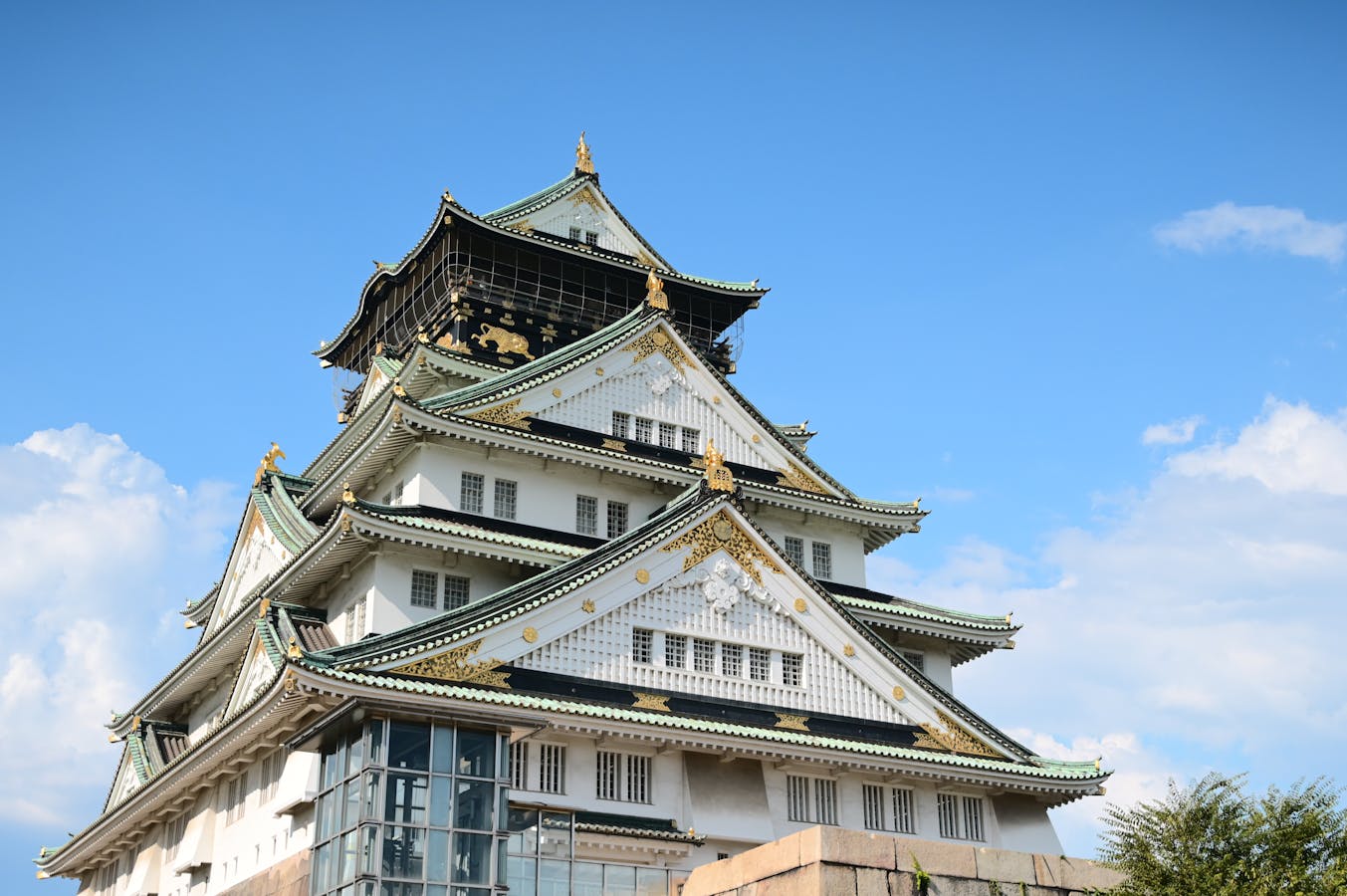
The Osaka Museum of History is one of central Osaka’s most rewarding cultural stops – a 5-floor museum next to Osaka Castle Park that traces 1,400 years of Osaka history from ancient Naniwa (7th-century imperial capital) through Edo, Meiji, and Showa periods. The museum sits on the actual archaeological site of Naniwa Palace, with the basement open for free guided tours of the palace foundation. Top floors have life-sized reconstructions; mid floors trace Edo-period Osaka through the rise of the merchant class; lower floors cover Meiji modernization and Showa-era city life. Admission is JPY 600 for adults; the museum is open 09:30-17:00 (closed Tuesdays); and direct views of Osaka Castle from upper floors make it a natural pair with a castle visit. This 2026 guide covers the floor-by-floor layout, the free basement tour, and how to plan your visit.
Quick Facts: Osaka Museum of History
- Address: 4-1-32 Otemae, Chuo-ku, Osaka
- Access: Tanimachi-yonchome Station (Tanimachi/Chuo Lines), Exit 9, 2-min walk
- Hours: 09:30-17:00 (last entry 16:30)
- Friday extended hours: Open until 20:00 during special exhibits
- Closed: Tuesdays (or following Wed if Tuesday is holiday); December 28 – January 4
- Admission: Adult JPY 600; HS/Uni JPY 400; JHS and under FREE; Osaka residents 65+ FREE
- Group rates (20+): Adult JPY 540; students JPY 360
- Special exhibits: JPY 500-2,000 additional
- Time needed: 90 min – 2 hours
- Languages: English audio guide rental JPY 200; signage in Japanese with English summaries
Floor-by-Floor Layout (Top to Bottom)
Floor 10: Ancient Naniwa Palace (Most Striking)
- Theme: 7th-8th century Naniwa Palace
- What: Life-size reconstruction of Naniwa Palace; columns and ceremonial hall
- Highlights: Imperial robes; ancient ceramics; Imperial Palace ground plan
- Why visit: Naniwa Palace is the precursor to Kyoto’s Heian-kyo (794+ AD); this museum displays the only major reconstruction in Japan
Floor 9: Edo-Period Osaka (Most Famous)
- Theme: Toyotomi-era and Tokugawa-era Osaka
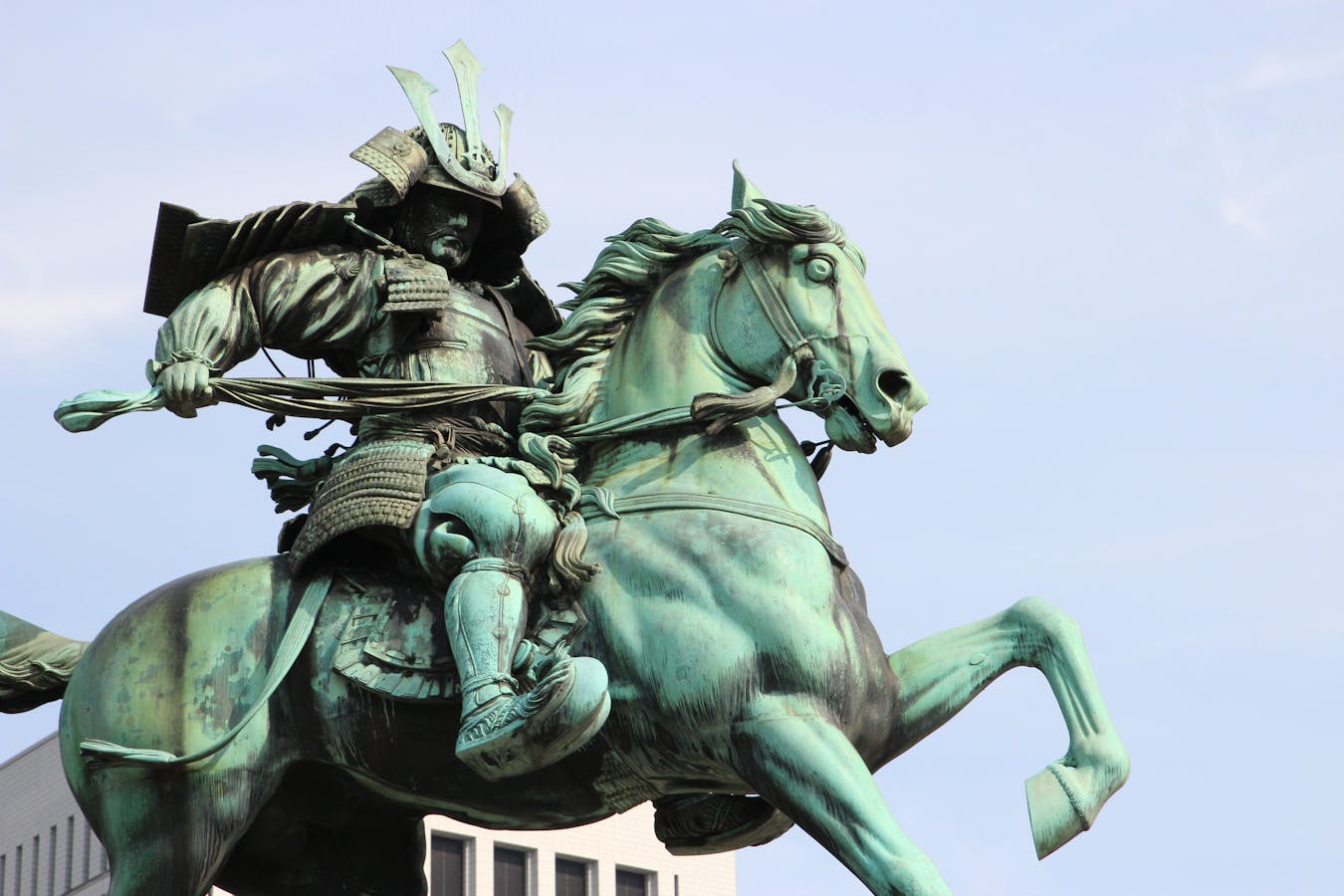
- What: Edo-period merchant class history; samurai armor; Hideyoshi exhibits
- Highlights: Edo-era market reconstruction; merchant guild documents; 17th-century artifacts
- Why visit: Connects directly to Osaka Castle visit; shows how Osaka became Japan’s commercial capital
Floor 8: Meiji-Showa Osaka
- Theme: Modern Osaka (1868-1990)
- What: Industrialization; pre-war Osaka; WWII firebombing exhibits; post-war reconstruction
- Highlights: Pre-1945 Osaka photographs; 1945 firebombing maps; mid-20th century reconstruction
- Note: The WWII section is somber; reflective rather than celebratory
Floor 7: Contemporary Osaka
- Theme: Modern Osaka (1990-present)
- What: 1970 Expo (linked to Expo City); kuidaore food culture; technological developments
- Highlights: 1970 Expo memorabilia; modern Osaka economy
Floors 1-3: Lobby, Cafe, Temporary Exhibits
- Floor 1 (Ground level): Reception, ticket booth, small cafe
- Floor 2: Lecture hall; sometimes special exhibits
- Floor 3: Library and reading room (free, open to visitors)
The Naniwa Palace Basement Tour (Free + Best Hidden Feature)
What Is Naniwa Palace?
The Naniwa Palace was Japan’s imperial capital from 645 AD to 794 AD. Located on the present site of Osaka, it predates the more famous Heian-kyo (Kyoto, 794+ AD). The palace was destroyed by fire, abandoned, and gradually buried over the centuries. In the late 20th century, archaeologists rediscovered the palace foundations beneath the museum site.
The Basement Tour
- What: Walk through the actual archaeological excavation; see the palace foundation stones
- Length: 30-45 minutes guided tour
- Times: Daily approximately 10:00, 11:00, 14:00, 15:00, 16:00 (confirm at lobby)
- Free entry
- Language: Japanese tours standard; English available with advance request
- Capacity: Small groups (8-12); arrive at the lobby 10 min before scheduled time
Why This Is the Hidden Gem
Most visitors who tour the museum’s upper floors don’t realize the basement holds an active archaeological site with original 7th-century foundations. This is the only such experience available to tourists in Osaka and one of few in Japan.
Views of Osaka Castle from Upper Floors
Floors 7-10 have windows facing Osaka Castle Park. The view shows the entire castle complex from an unusual angle (most photographs of the castle are taken from the park itself). The castle is photogenic from this angle at sunset; the view captures the full ground plan.
What to See in Order
Suggested Path
The standard museum path is top-down chronologically. Take the elevator to Floor 10 (ancient Naniwa), then descend floor-by-floor. This places ancient history at the start (when energy is high) and contemporary history at the end (when you’re flagging).
Time Budget
- Quick visit (90 minutes): Top floor + Edo floor + basement tour
- Standard visit (2 hours): All 5 floors + basement tour
- Deep visit (3+ hours): Include lectures, special exhibits, reading room, full audio guide
Combined Visits with Other Attractions
Osaka Castle (5 min walk)
The natural pair. Visit the castle first (outer grounds + donjon museum); then the History Museum for context. Total time 4-5 hours for both.
NHK BK Plaza (Adjacent)
NHK Osaka’s free public-access studio – shows news production, technology displays, and TV memorabilia. Free entry. Combine with the History Museum for an unusual cultural day.
Osaka Museum of Housing and Living (15 min by Metro)
Full-scale Edo-period Osaka street recreation with day-night lighting cycle. Different museum but similar period; combines well for an Edo-themed day. Adult JPY 600.
Hokoku Shrine (Within Castle Park)
Shrine dedicated to Toyotomi Hideyoshi. Adds depth to the Edo-period exhibits you see in the History Museum.
Photography Policy
- Most exhibits: Permitted; no flash
- Specific high-value displays: Sometimes prohibited (look for signage)
- Naniwa Palace basement: Permitted
- Special exhibits: Often prohibited; check before entry
- Tripod: Not permitted in most areas
Audio Guide Rental
- Price: JPY 200 per device
- Languages: English, Chinese, Korean
- Content: 30-40 audio commentary tracks for major exhibits
- Time added: ~30-45 minutes to the standard visit
- Strongly recommended for foreign visitors
For History Enthusiasts
- Free library on Floor 3: Access to Japanese-language historical archives
- Lectures and special events: Posted at lobby; some open to public
- Annual special exhibits: Themed exhibits change throughout the year
- Bookstore: Small bookstore on Floor 1; English-language Osaka history books available
For First-Time Visitors
Recommended 90-Minute Visit
- 0-15 min: Floor 10 – ancient Naniwa
- 15-35 min: Floor 9 – Edo-period merchant Osaka
- 35-50 min: Floors 7-8 – Meiji to Showa
- 50-90 min: Basement tour (Naniwa Palace foundations)
Best Time to Visit
- Weekday mornings (09:30-11:30): Calmest; basement tour spots available
- Weekend afternoons: More crowded; school groups
- Avoid: Major Japanese school holidays (March-April, July-August, December)
- Friday evenings during special exhibits: Extended hours; less crowded
Accessibility
- Elevators: All floors accessible
- Wheelchair access: Yes throughout main museum
- Naniwa Palace basement: Wheelchair accessible (elevator from museum lobby)
- Audio guides: Available with English
- Bathrooms: Accessible bathrooms on each floor
- Nursing rooms: Available on Floor 1
Food and Refreshments
- Museum cafe (Floor 1): Light meals, coffee, snacks; JPY 800-1,500 lunch
- Nearby options: Restaurants in Tanimachi-yonchome area
- Combined with castle: Bring picnic lunch for outdoor seating in Castle Park
Souvenirs
- Museum bookstore (Floor 1): Books, postcards, replicas
- Specialty items: Edo-era reproduction maps; archaeology-themed gifts
- Average souvenir price: JPY 500-2,500
Comparison: Osaka History Museums
- Osaka Museum of History: 1,400-year sweep; Naniwa Palace; Edo focus
- Osaka Museum of Housing and Living: Edo-period only; full-scale Osaka street recreation
- Osaka Castle Donjon (inside castle): Castle-specific history; Hideyoshi focus
- Best to visit: All three are complementary; combine over 1-2 days
Suggested Day Itinerary
Historical Half-Day
- 09:30: Arrive at Tanimachi-yonchome Station
- 09:35: Enter Osaka Museum of History
- 09:45-11:30: Tour all 5 floors with audio guide
- 11:30-12:00: Naniwa Palace basement tour (book at lobby)
- 12:00: Lunch at museum cafe or walk to Castle Park
- 13:00: Cross to Osaka Castle Park – outer grounds
- 14:30: Osaka Castle Donjon interior
- 16:00: Hokoku Shrine within castle park
- 17:00: Coffee break in castle area
Common Mistakes
- Skipping the basement tour: The hidden gem; free; book at lobby on arrival
- Going on Tuesday: Museum is closed; visit Mon or Wed instead
- Not getting audio guide: Foreign visitors get 30% more value with English narration
- Rushing through Floor 10: Naniwa Palace reconstruction deserves 20-30 minutes
- Visiting separately from castle: The two-museum pair gives Osaka historical context
- Forgetting Osaka resident discount: Free for residents 65+; bring ID if applicable
Practical Tips
- Bring comfortable shoes: Museum + adjacent castle = lots of walking
- Bring water bottle: Limited drinking water inside
- Audio guide: Rent at lobby; JPY 200
- Basement tour booking: Sign up at lobby on arrival
- Photography: Permitted in most areas; ask before special exhibits
- Lockers: Free lockers in lobby for bags
- Cash for souvenirs: Card accepted but cash preferred
- School groups: Tuesday and Wednesday mornings often busy
- Combined ticket: Check for any combined Castle Park + Museum ticket deals
For Visiting Students
- JHS and under FREE
- HS and university: JPY 400
- Group rates (20+): Adult JPY 540, students JPY 360
- Educational materials: Available; ask at front desk
- School visit packages: 2-hour tours with educator
Why Osaka Museum of History Matters
Among Osaka’s cultural institutions, this museum holds a unique position. It’s the only museum that traces 1,400 years of Osaka history in one location; the only one with the Naniwa Palace basement archaeological site; and it sits adjacent to Osaka Castle, making it the natural complement to the city’s most-visited attraction. Most foreign visitors skip it and head directly to the castle; visiting both creates a dramatically richer understanding of the city.
Final Word: Osaka Museum of History
The Osaka Museum of History is one of the best-value cultural experiences in central Osaka. JPY 600 admission buys 90 minutes of historical depth covering ancient Naniwa, Hideyoshi-era merchant Osaka, Meiji modernization, and modern city development. The free basement tour of the Naniwa Palace archaeological site is the hidden gem most visitors miss. Combine with adjacent Osaka Castle for a 5-hour historical immersion that transforms casual sightseeing into something deeper.